How to read these rollout examples
Each rollout focuses on a practical shop setting, not theory. You will see the town, the machine mix, the kind of work being produced and the support needed to get from purchase to repeatable output. That can include licence installation, custom post-processors, operator and programmer training, or first job support when the machine must earn quickly.
Shops in Pretoria often need fast turnarounds for short runs, while Durban clients may need extra attention for moisture, cabinet care and air quality around electrical gear. Coastal humidity in Cape Town can affect storage, tooling and enclosures too. When you compare the examples, choose the one closest to your own workflow, not just the one with the biggest machine count.
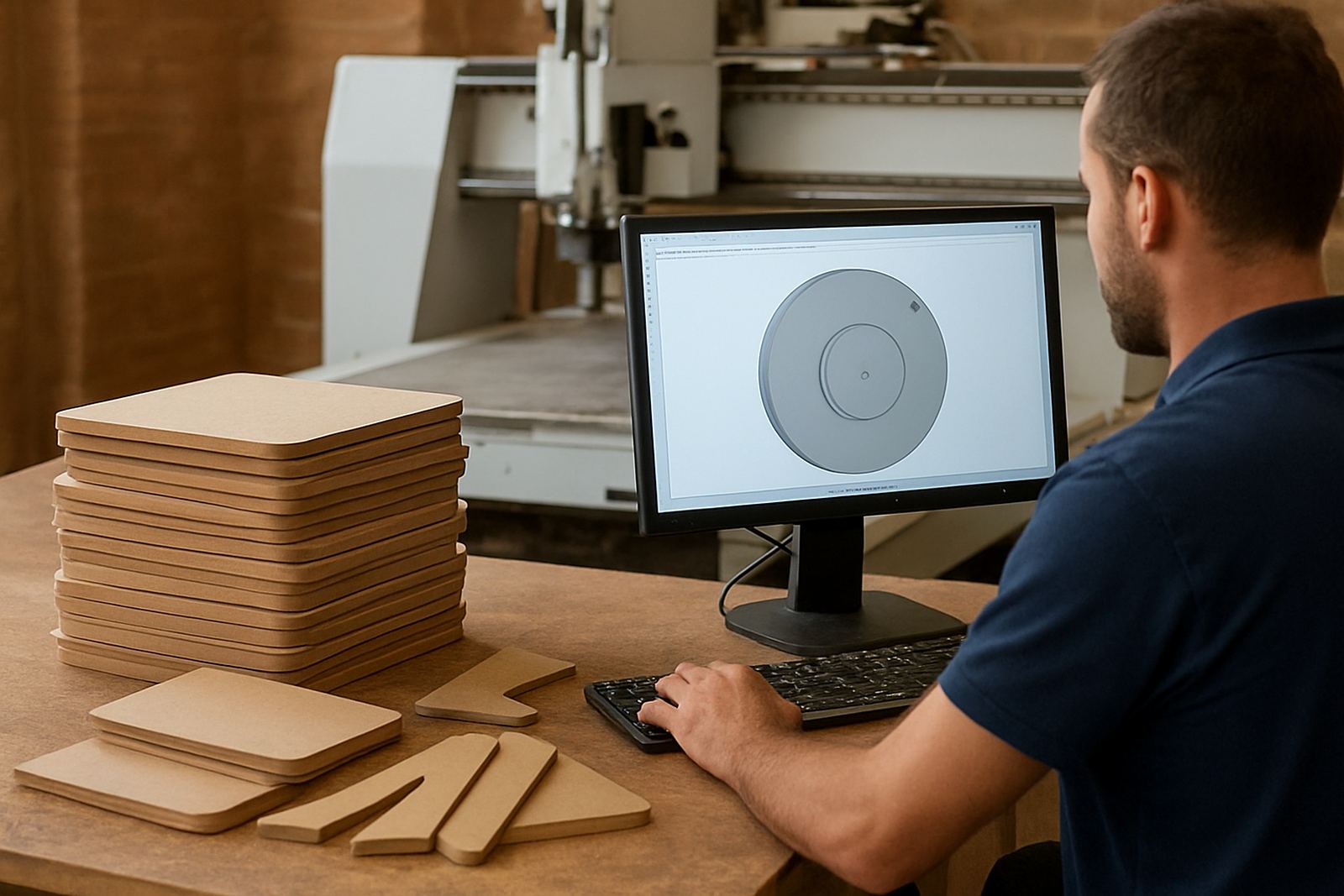
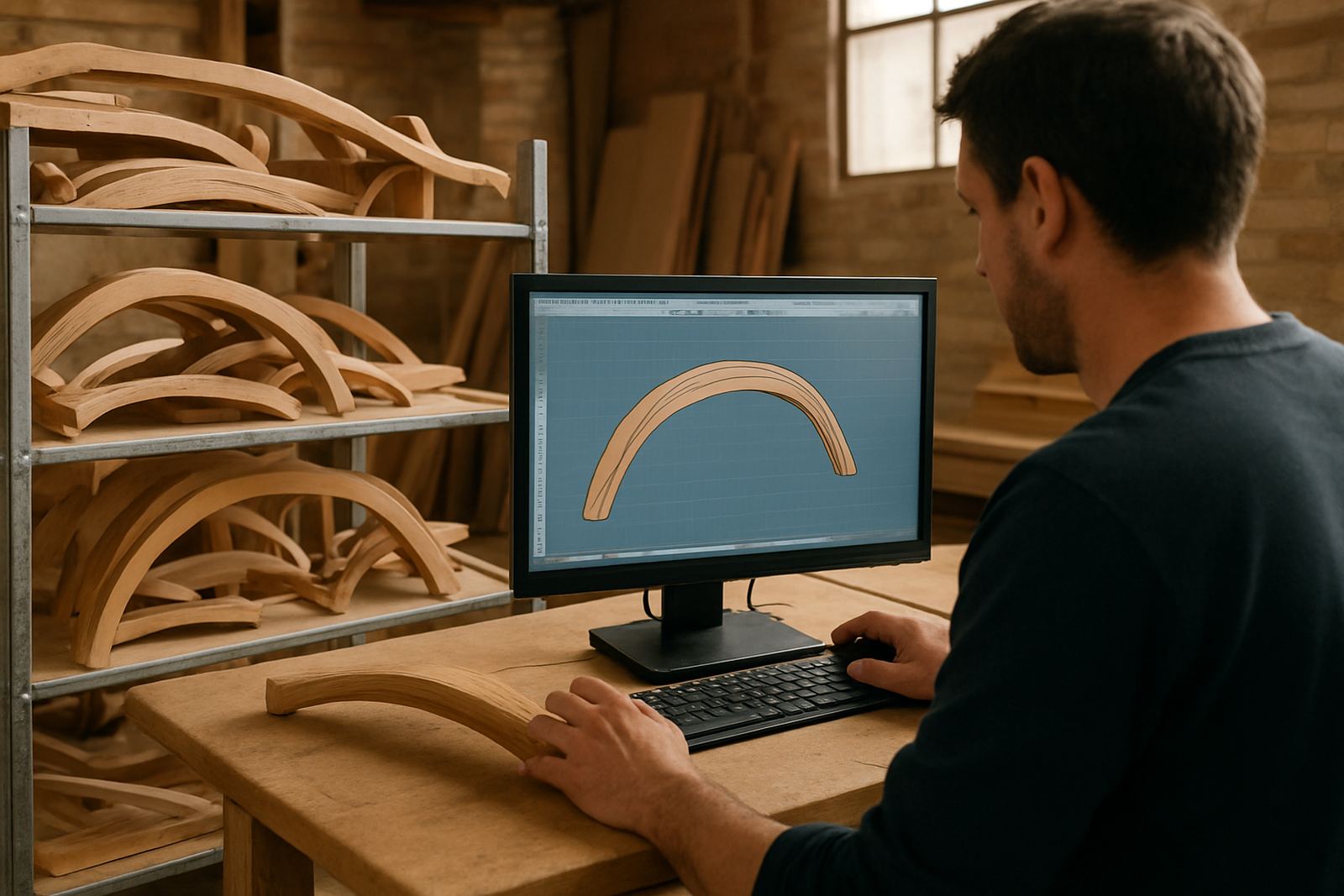
Routing shops turning drawings into parts
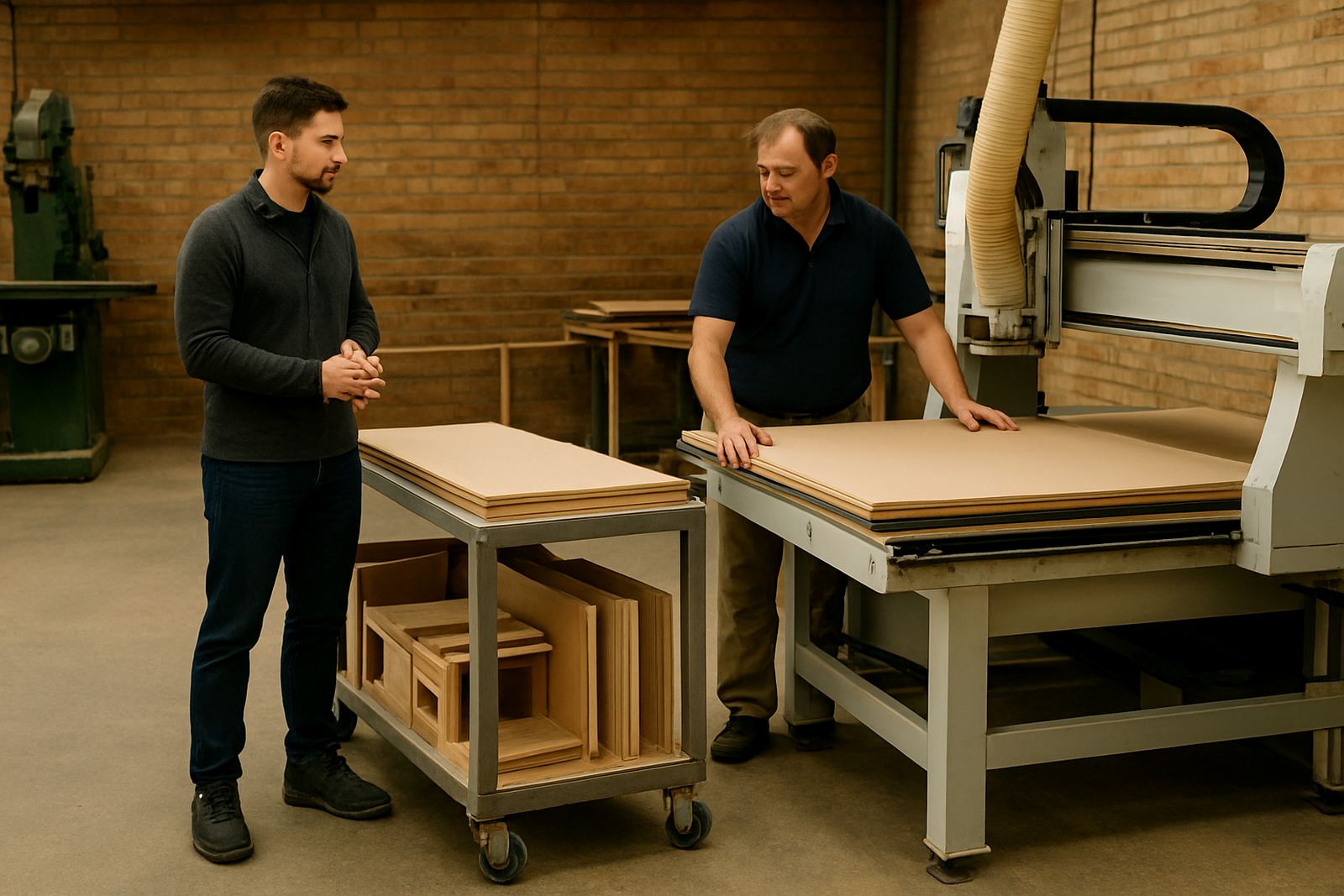
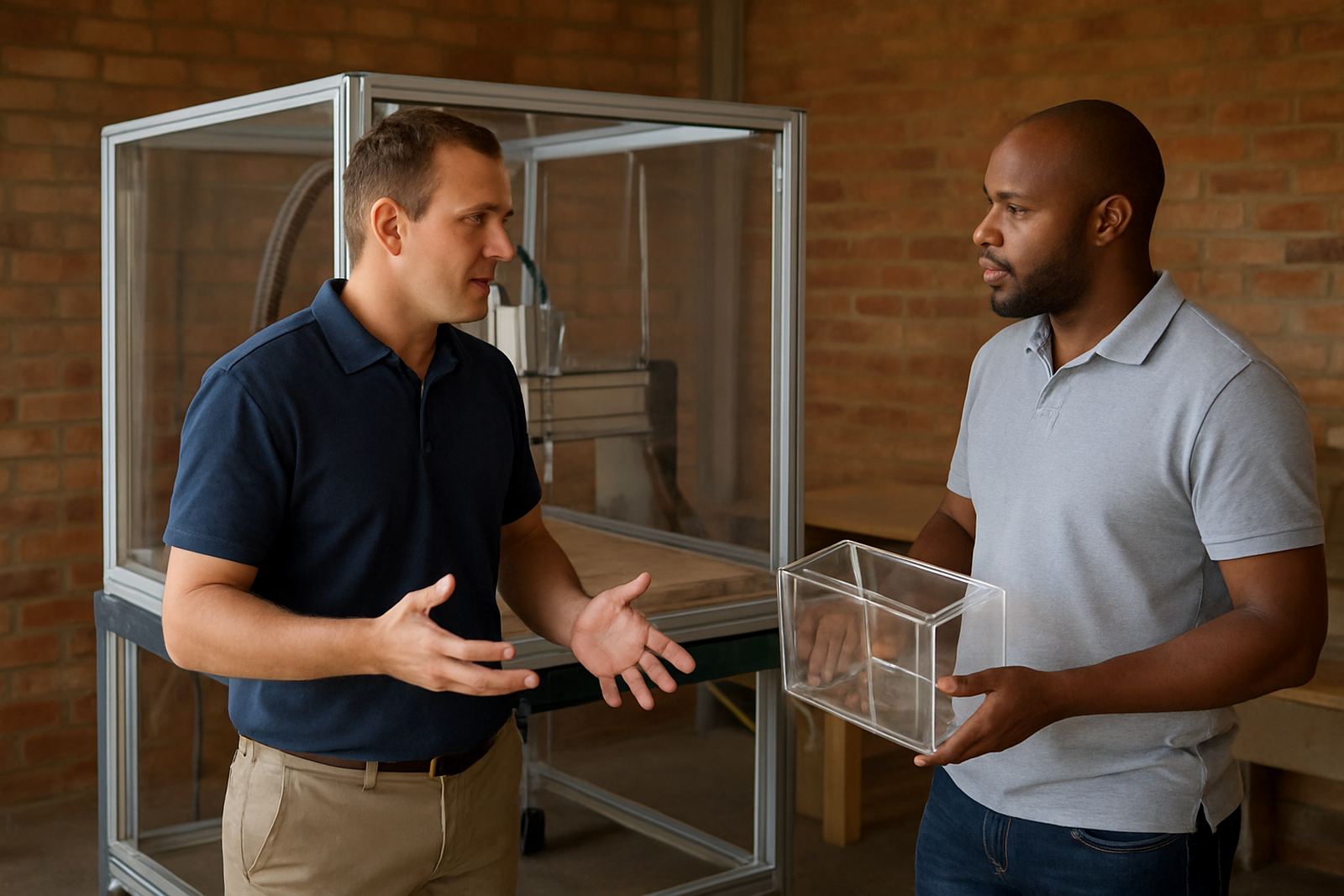
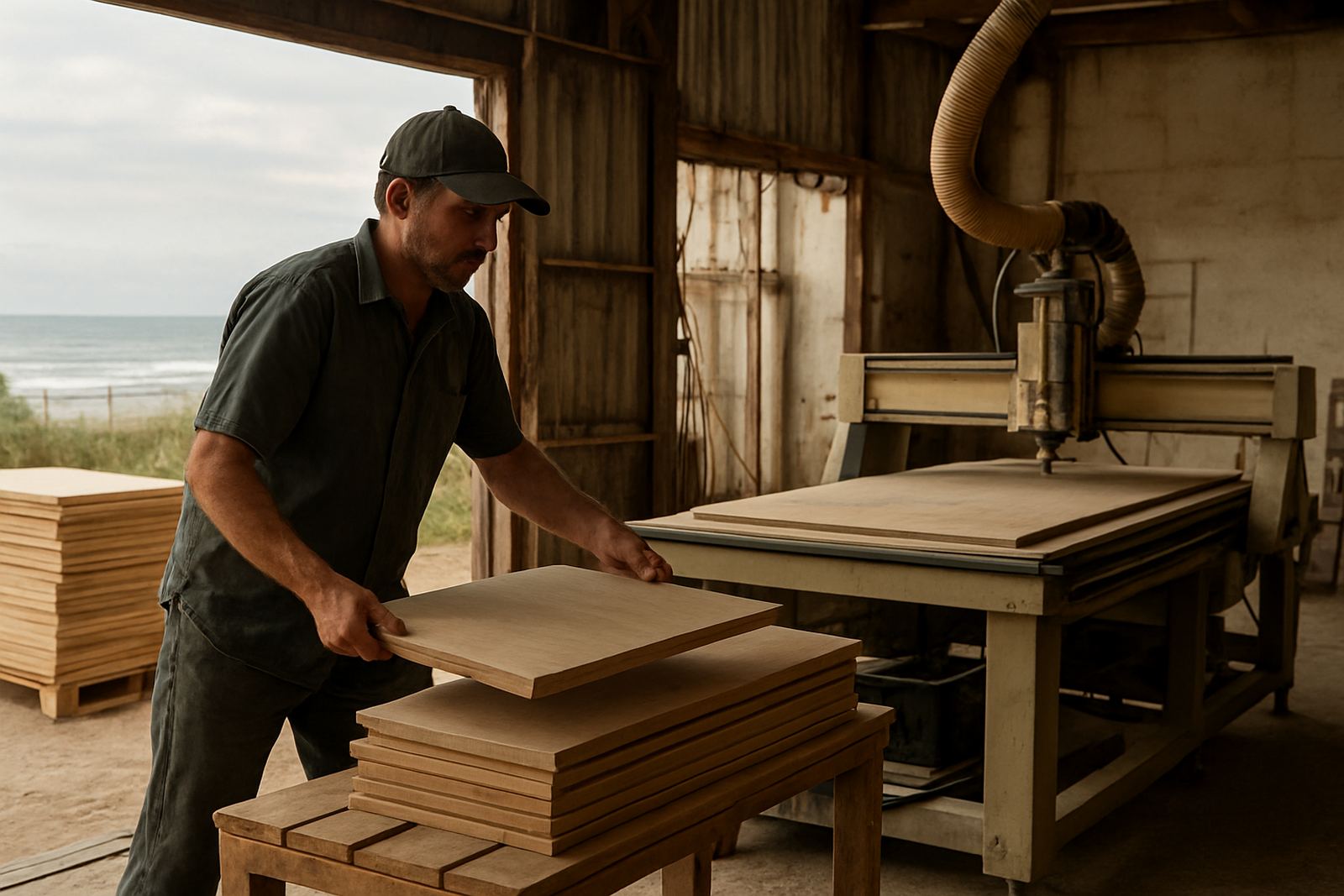
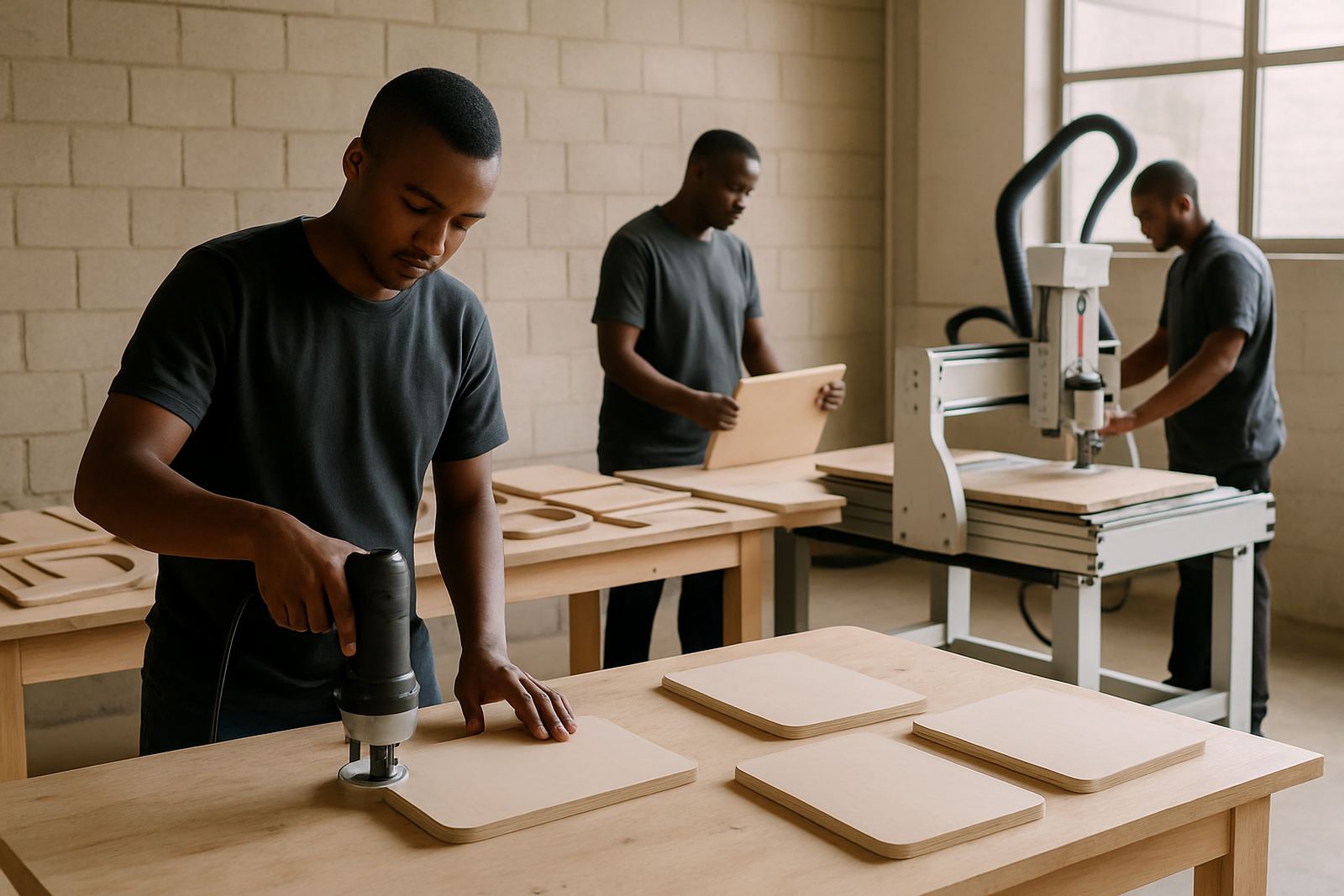
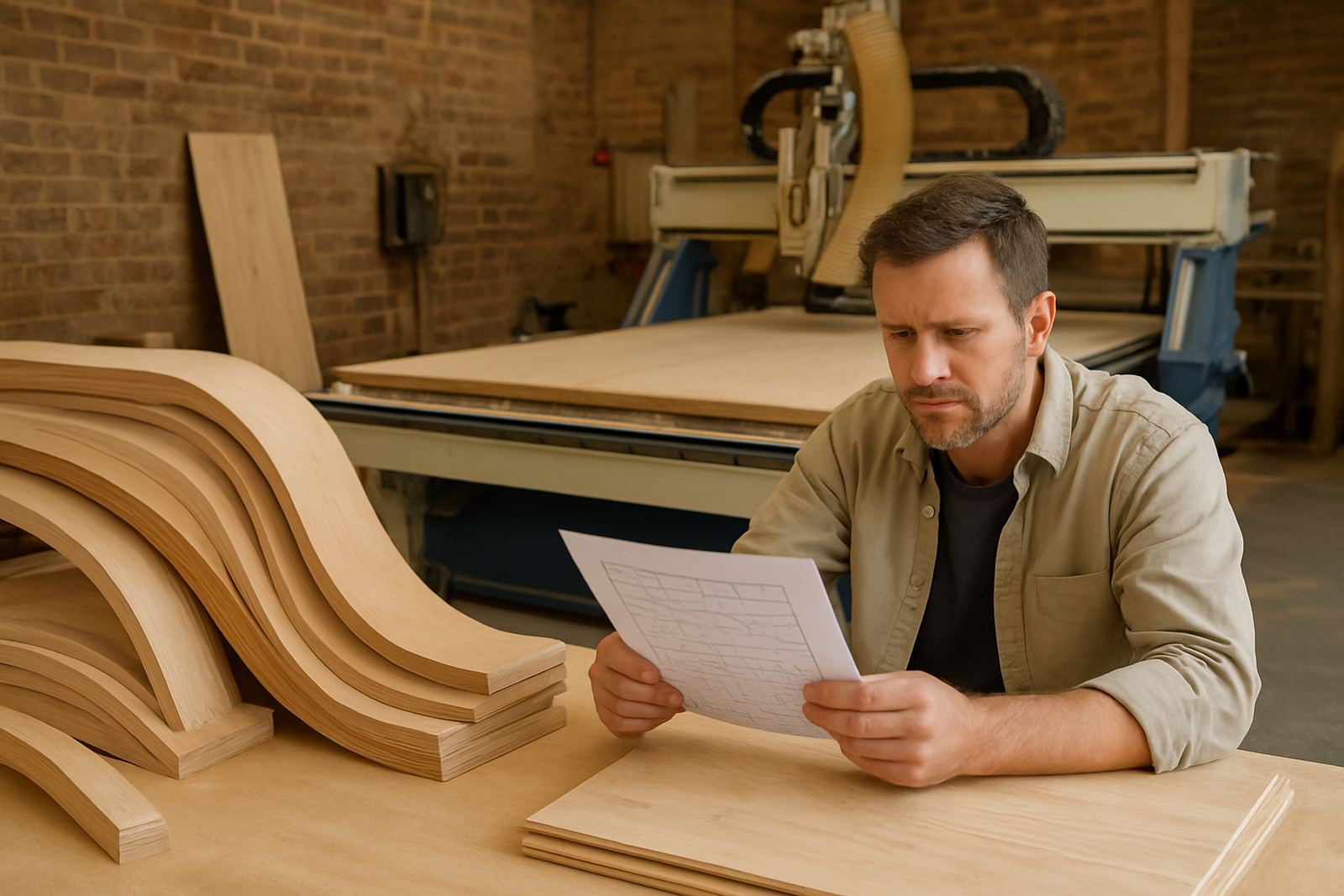
Routing shops usually need clean import routines, dependable post output and a team that knows how to set up sheets, nests and toolpaths without wasting material. For many of these sites, the main pressure is getting the first production run correct so that material costs stay under control and machine time is used properly.
- Licence installation on one workstation or several networked seats
- Custom post-processors for router tables, vacuum beds and tool changers
- Operator training for loading jobs, setting origins and checking output
- First job support for signs, panels, fixtures and repeat work
In places like Johannesburg and the East Rand, routing shops often work with MDF, acrylic and aluminium composite panels, so the post must suit both finishing quality and safe machine behaviour. A small typo in the tool database can cost a full sheet, so the rollout has to be practical from day one.
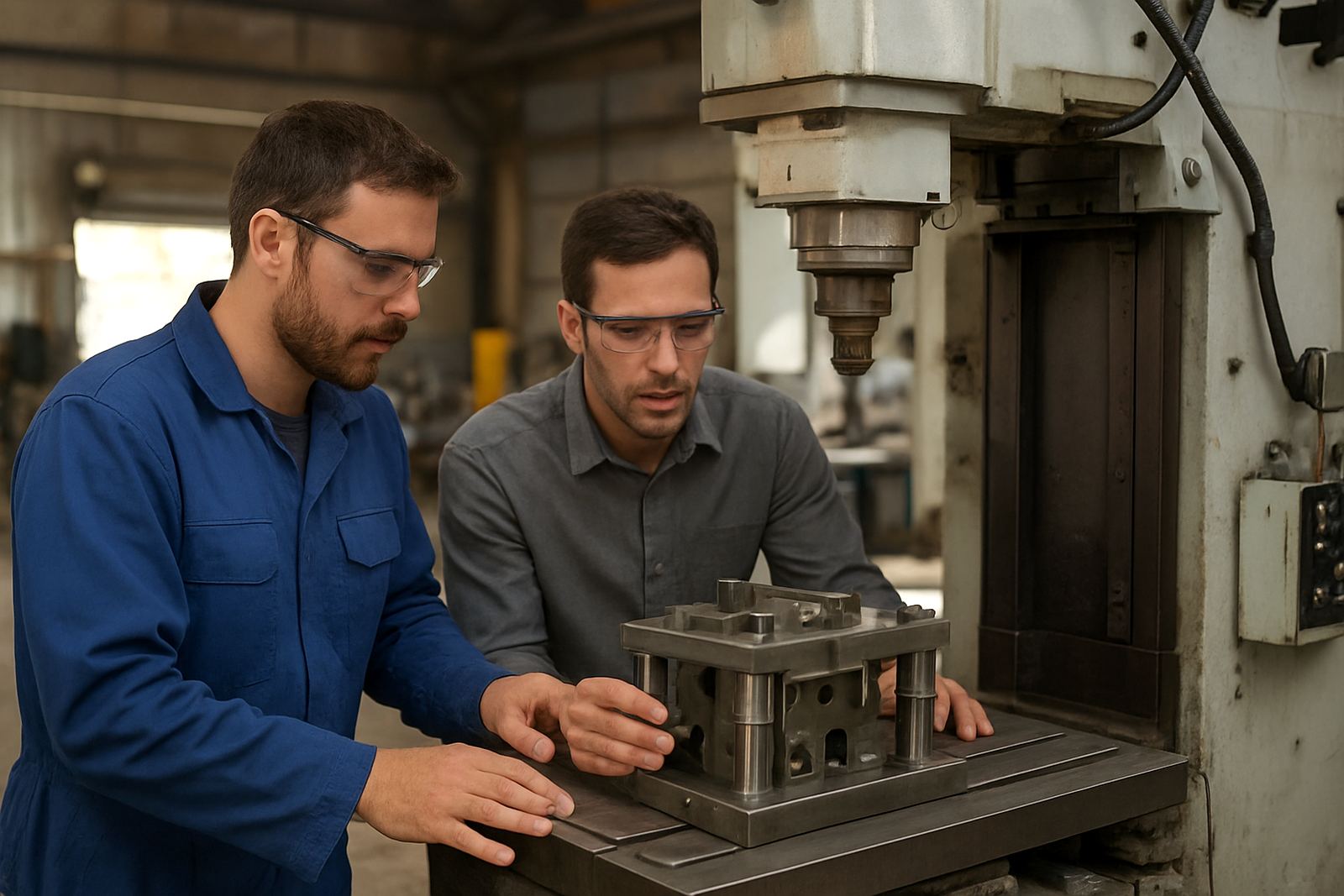
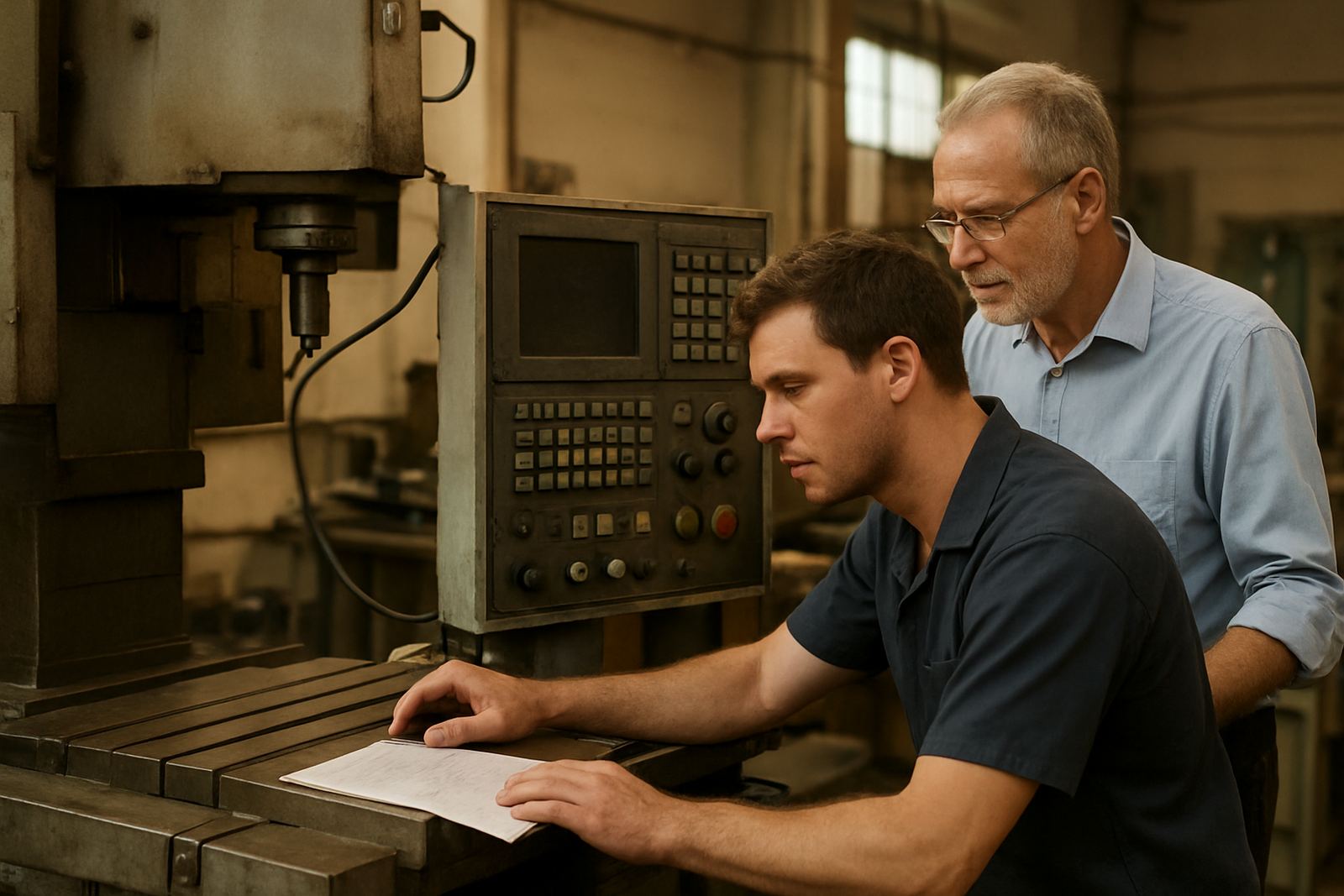
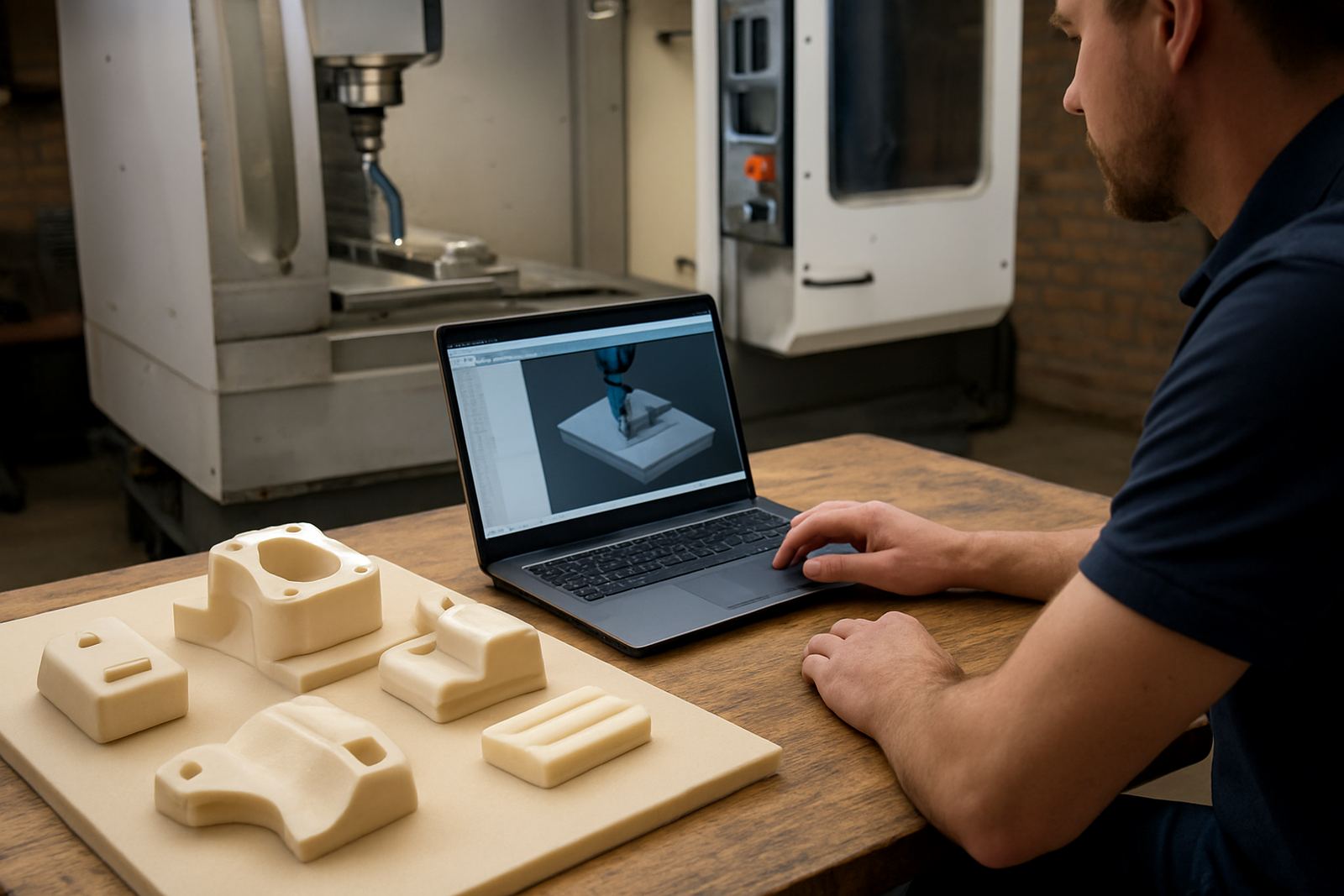
Milling workshops that need controlled output
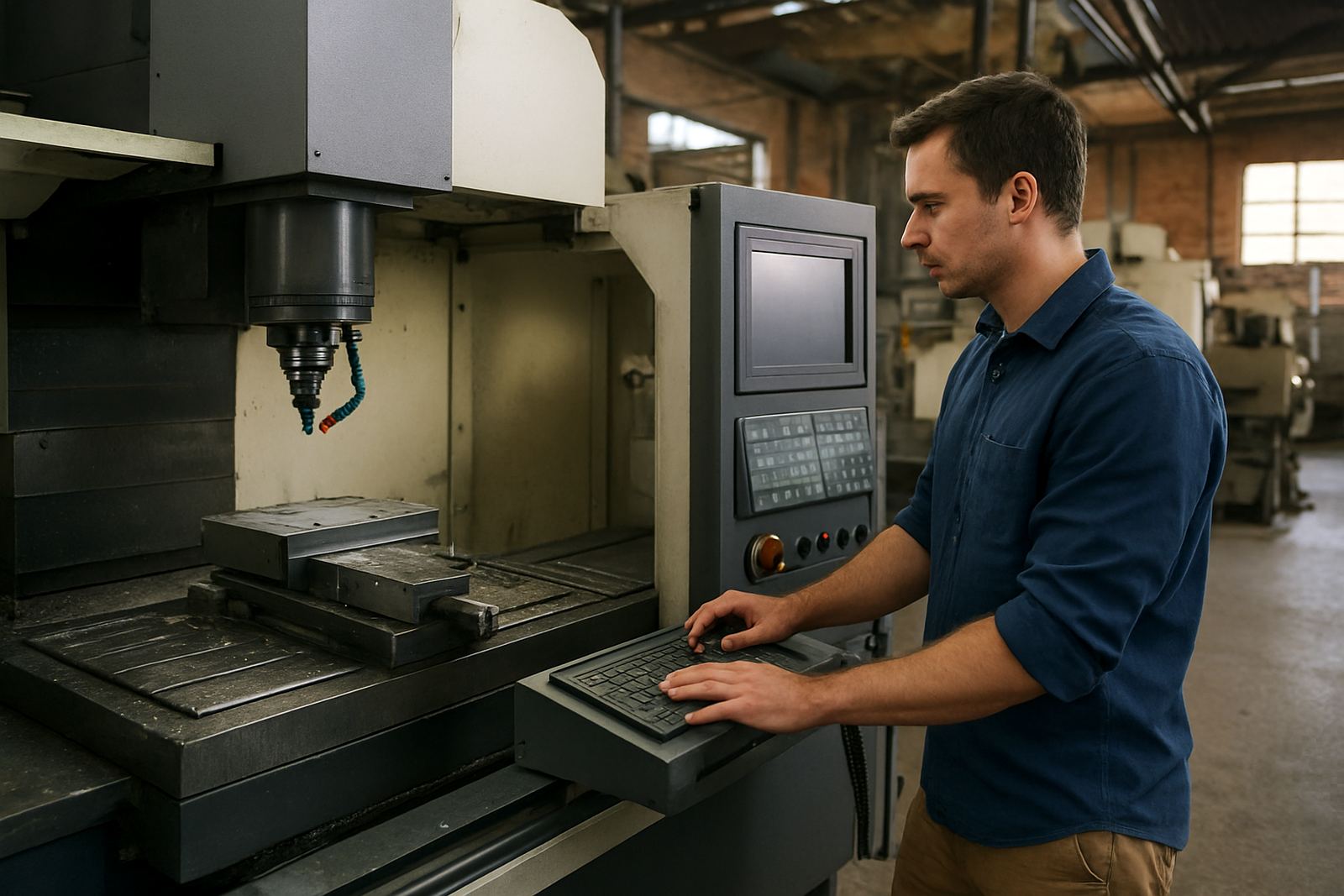
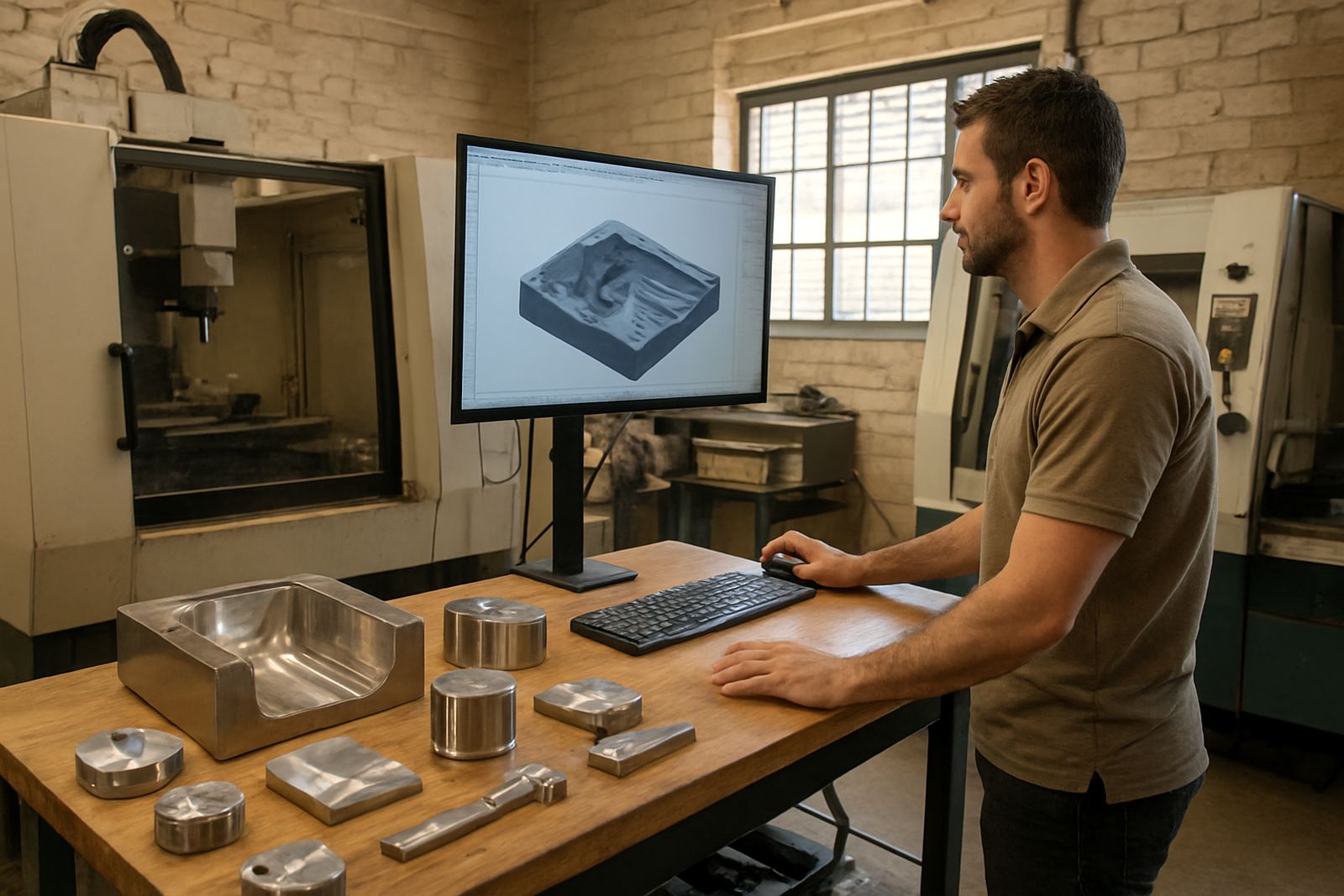
Milling shops across Centurion, Vereeniging and Pretoria often need tighter control over feeds, speeds and tool changes. The rollout here usually starts with licence installation, then a post check against the actual machine control and finally a workshop session for the programmer and setter.
These shops may be making brackets, mould tools, machine components or repair parts. A good rollout keeps the program output matched to the machine, the material and the operator skill level. If the shop runs after hours or during load-shedding windows, the workflow must also allow for saved setups, backup files and a clear restart point.
- Post tuning for vertical machining centres and compact mills
- Workflow audits for drawing intake, setup notes and file storage
- Programmer training for toolpath strategy and safe simulation checks
- Annual support plans for ongoing changes to parts and tooling
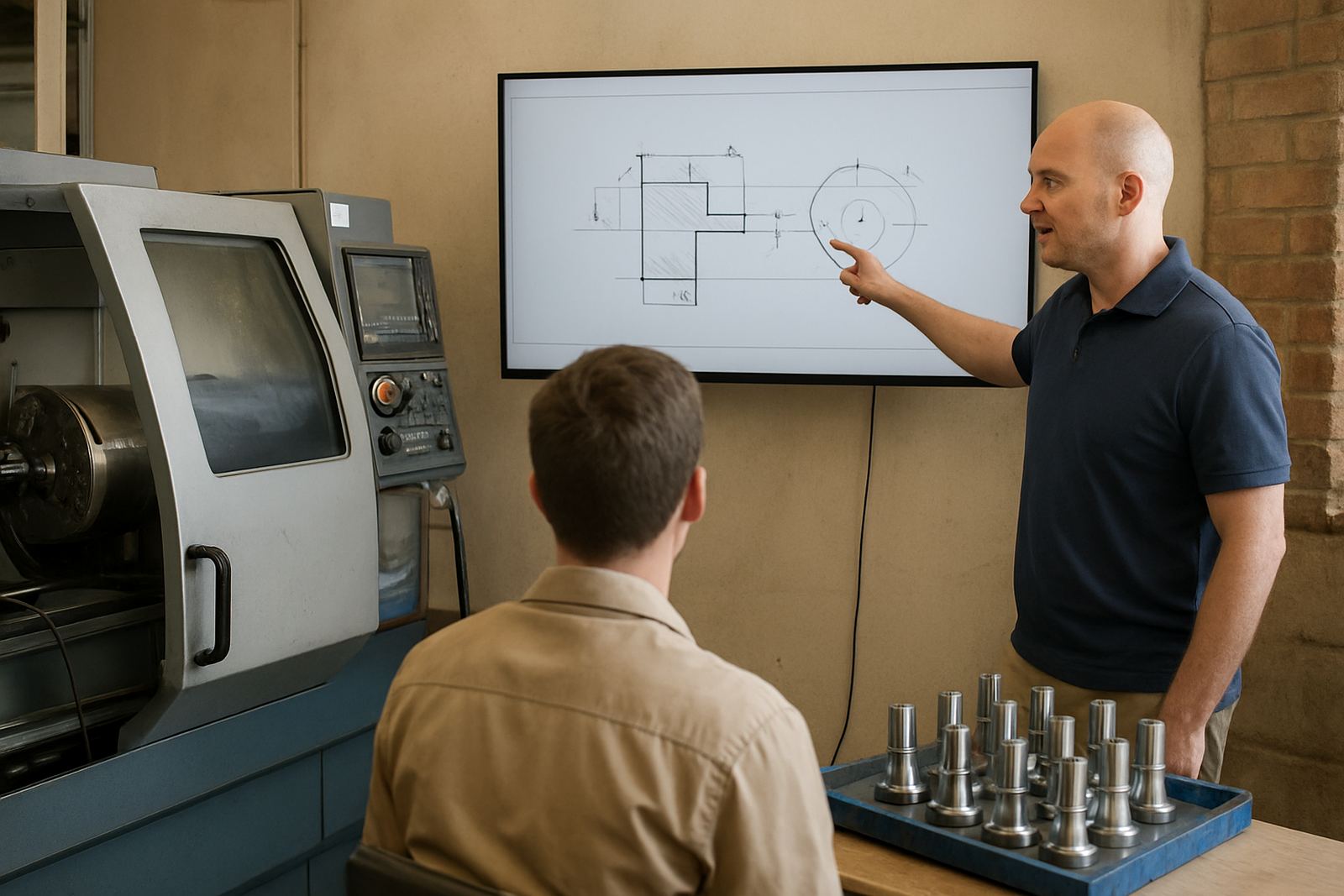
Turning jobs that need repeatable setup
Turning shops need post output that matches the machine and the way the operator prefers to run work. In some cases the rollout is about getting old jobs back under control after a control upgrade or a change in tooling, in others it is about helping a new programmer produce safe and repeatable code from the start.
For towns like Cape Town and Durban, where many shops work with mixed materials and long service hours, the rollout has to account for job handover between shifts. That means clear notes, clean file naming and a training plan that the whole team can follow without confusion. The goal is fewer setup errors and more parts off the machine.
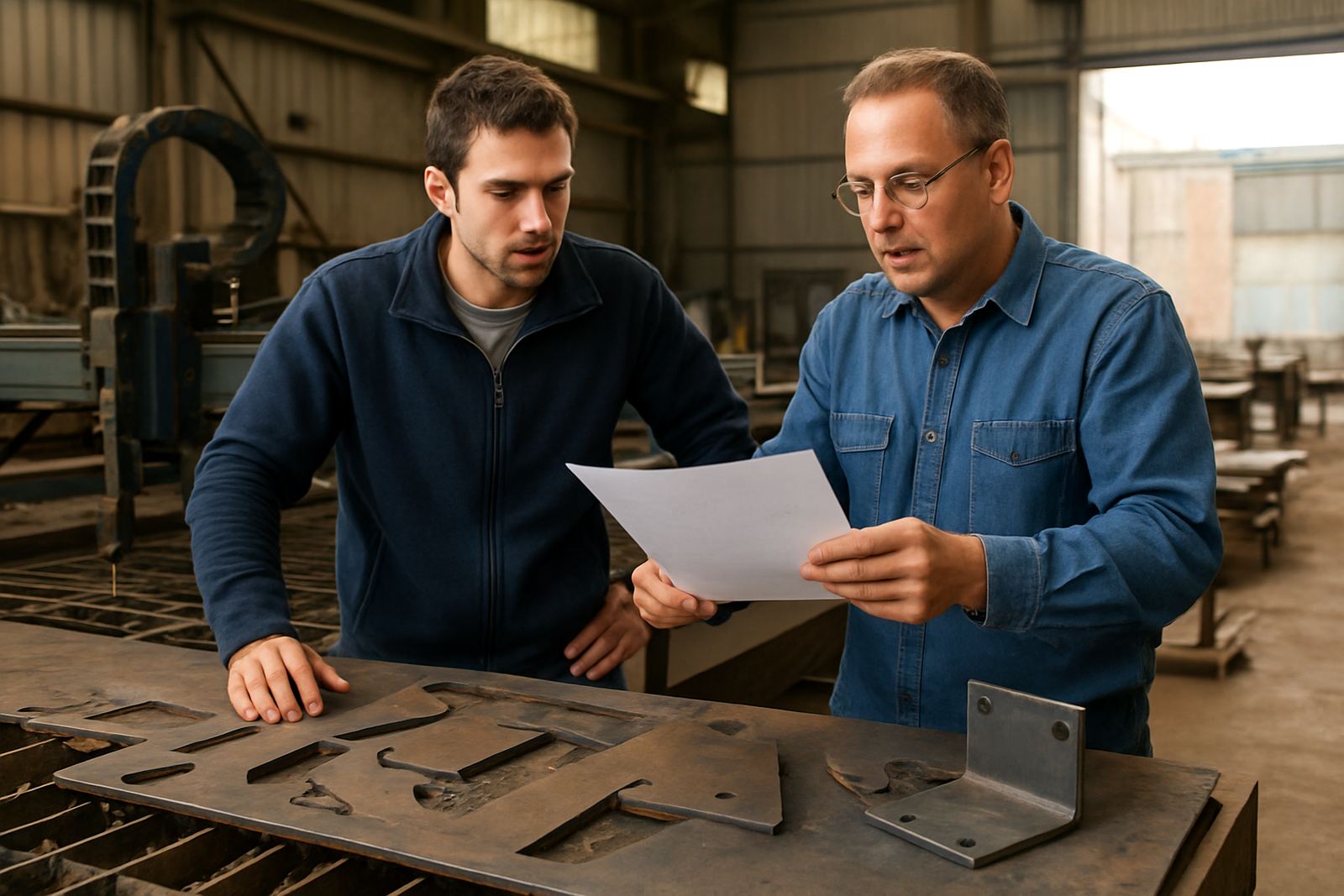
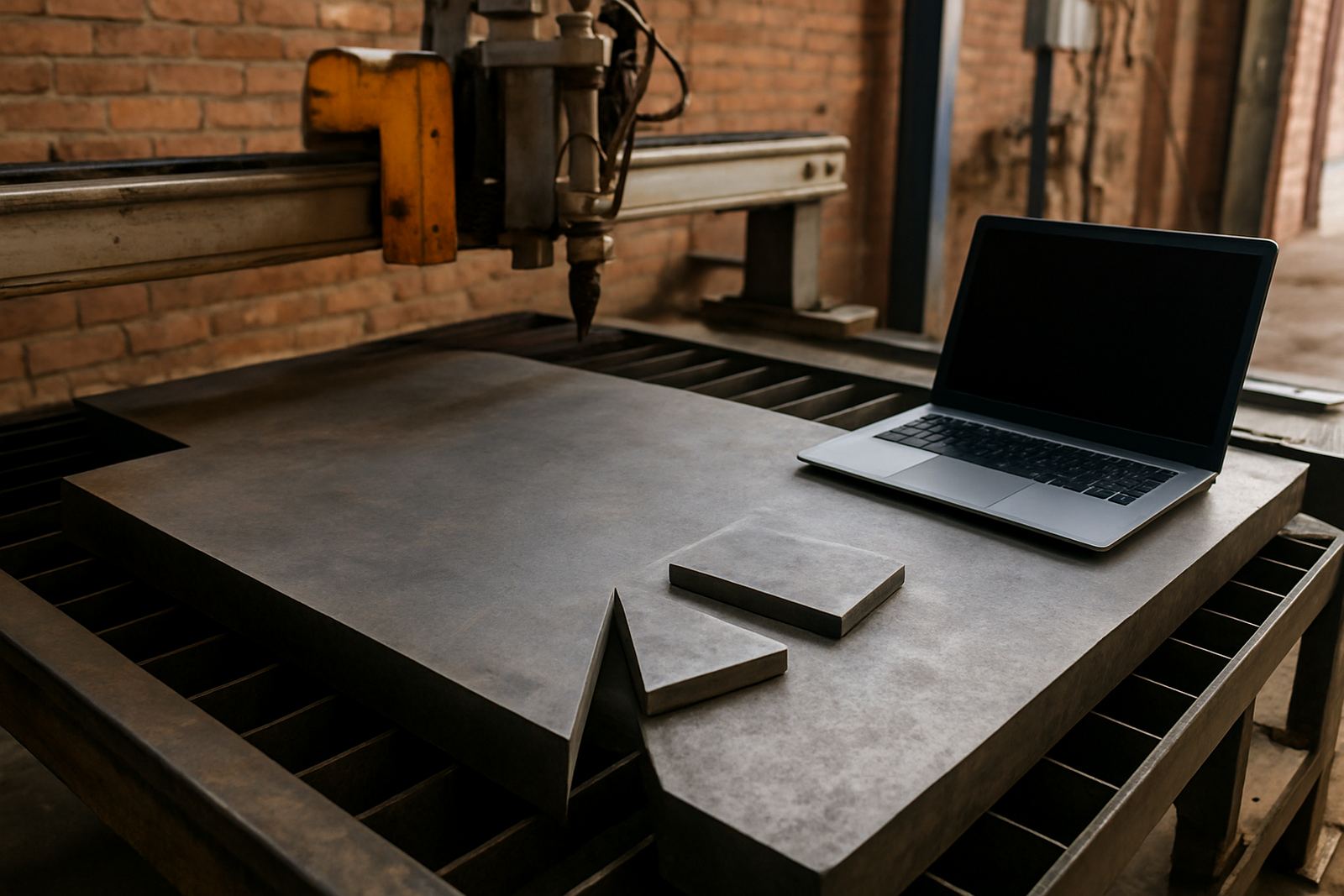
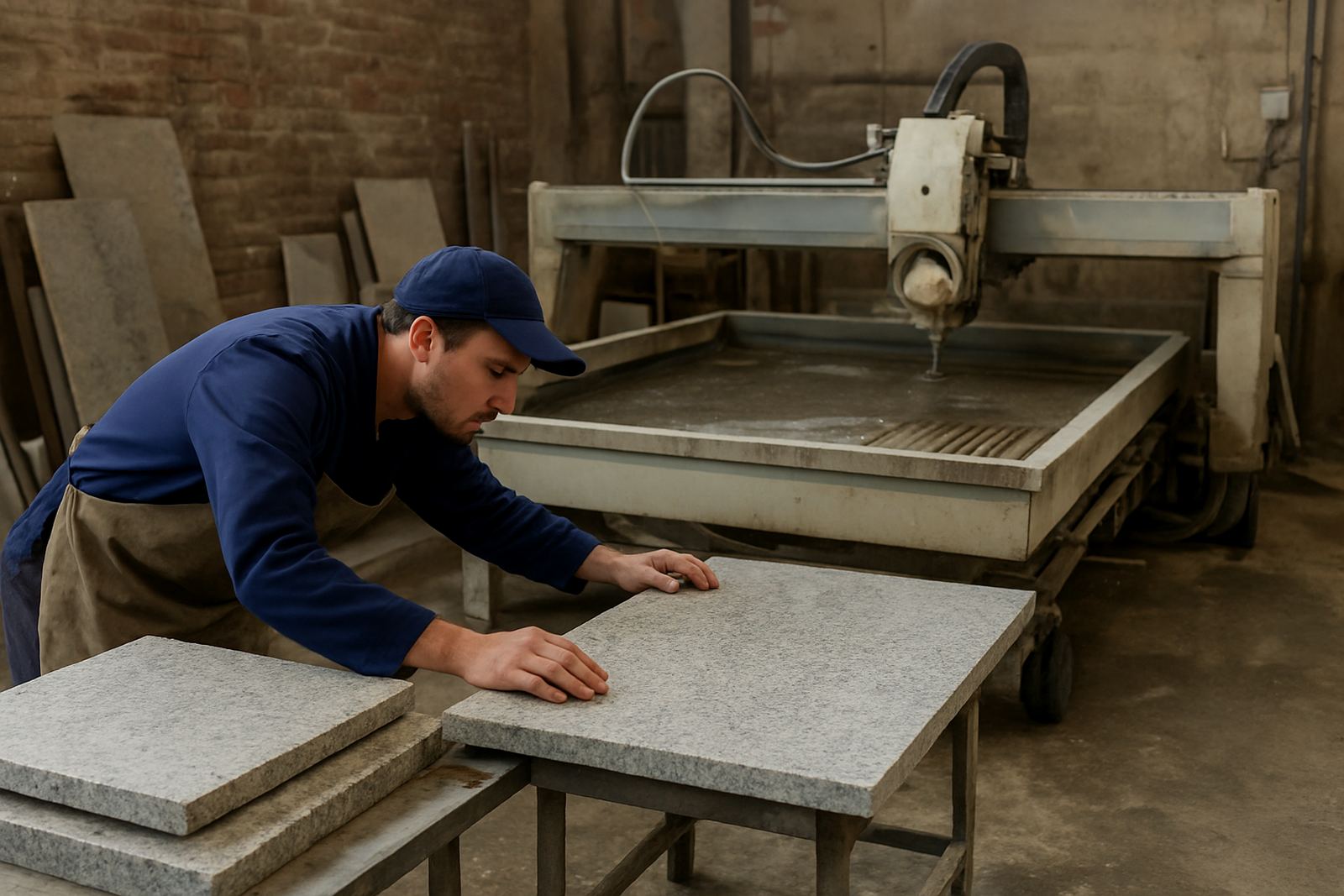
Plasma shops handling cutting and repair work
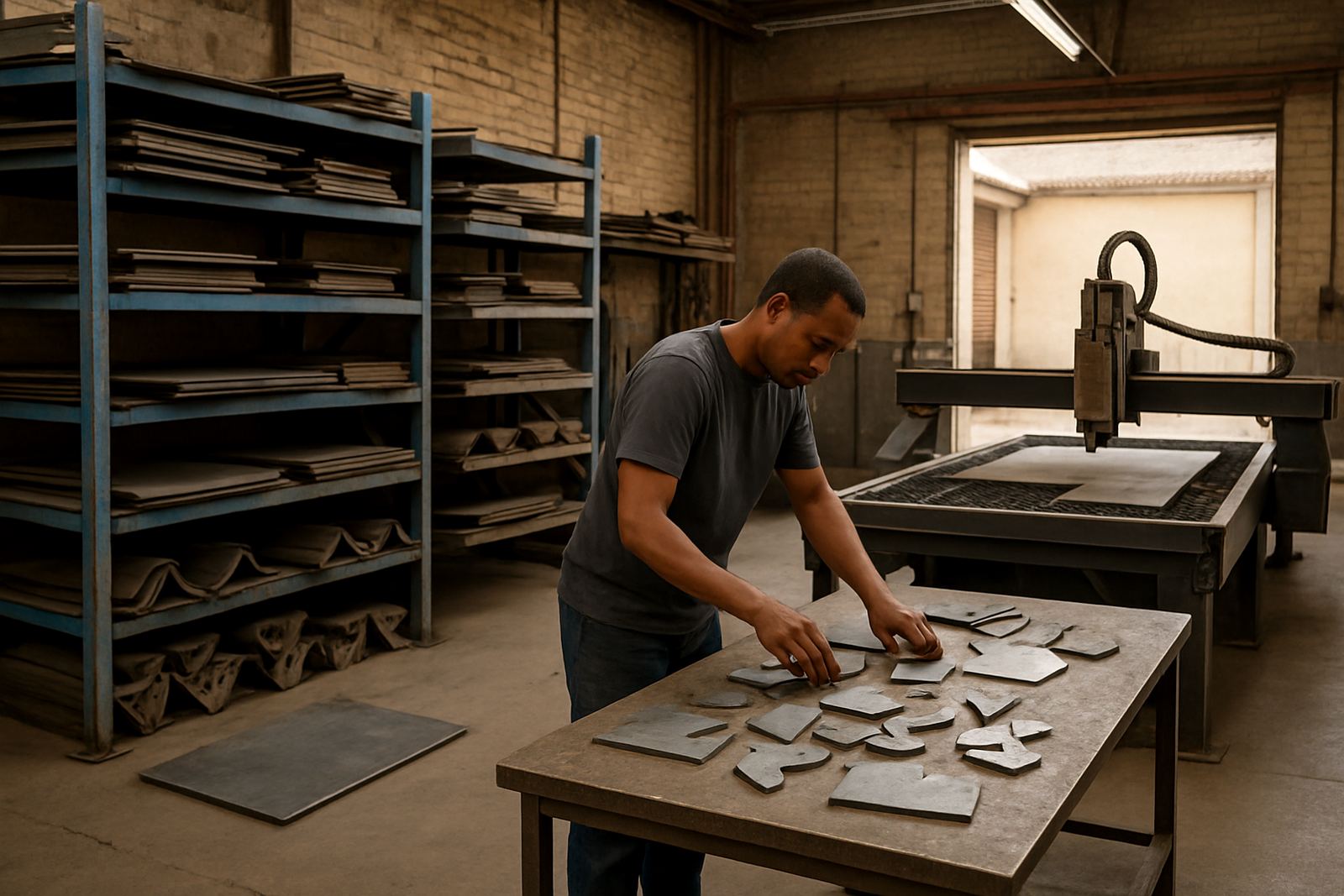
Plasma shops often need quick setup, simple handoff and a post that suits the cutter, table and control. These shops can range from small fabrication yards to larger jobbing sites that cut frames, plates and repair sections for local industry. In these environments, the rollout must be direct and easy to keep running.
We commonly see a need for machine onboarding, post tuning and remote troubleshooting after installation, because the shop wants to keep production moving while the team learns the process. When the site is in Vereeniging, the West Rand or the East Rand, there may also be older equipment in the mix, so matching the software to the real machine becomes important.
What a full rollout can include
A rollout is not only software handover. It can include the full chain from licence installation to the first stable parts coming off the machine. Some shops need one focused visit, while others need a phased plan with on-site training and remote follow-up over a few weeks.
- Custom post-processors and post tuning
- Machine onboarding for new or upgraded CNC equipment
- Operator, programmer and owner training
- Tool library builds and workflow audits
- First job support and remote troubleshooting
Centurion clients often prefer a mixed approach: one visit for setup, one for training, then remote support when the first customer job lands. That keeps the workshop moving and gives the team time to build confidence without stopping production.
Choosing the right rollout for your shop
If you are not sure where your own shop fits, start with the machine type and the people who will use it. A new operator needs different support from an experienced programmer, and a single machine needs a different rollout from a shop with several controls in one yard. If your team works across Pretoria, Johannesburg or Durban, consistency matters even more.
We tailor the service stack around your town, machine type and support needs. Clients reach us through the enquiry form on our contact page, and from there we map out the next step based on your actual workshop setup.