Built for real machine shops, not just software menus
CNC Software works with shops that need CAD/CAM output to match the machine on the floor, the operator at the control and the job on the drawing. We focus on the point where files must post cleanly, setups must make sense and the first part must come off right.
Our Centurion base allows us to support customers in Pretoria, Midrand, Johannesburg, Vereeniging and the wider Gauteng area quickly, while also working remotely with shops in Durban, Cape Town and other industrial centres across South Africa. A lot of our work happens around real constraints such as load-shedding, limited machine time, older controls, mixed toolholders and the need to keep production moving when staff rotate or a new operator starts. That is where proper setup saves time and money.
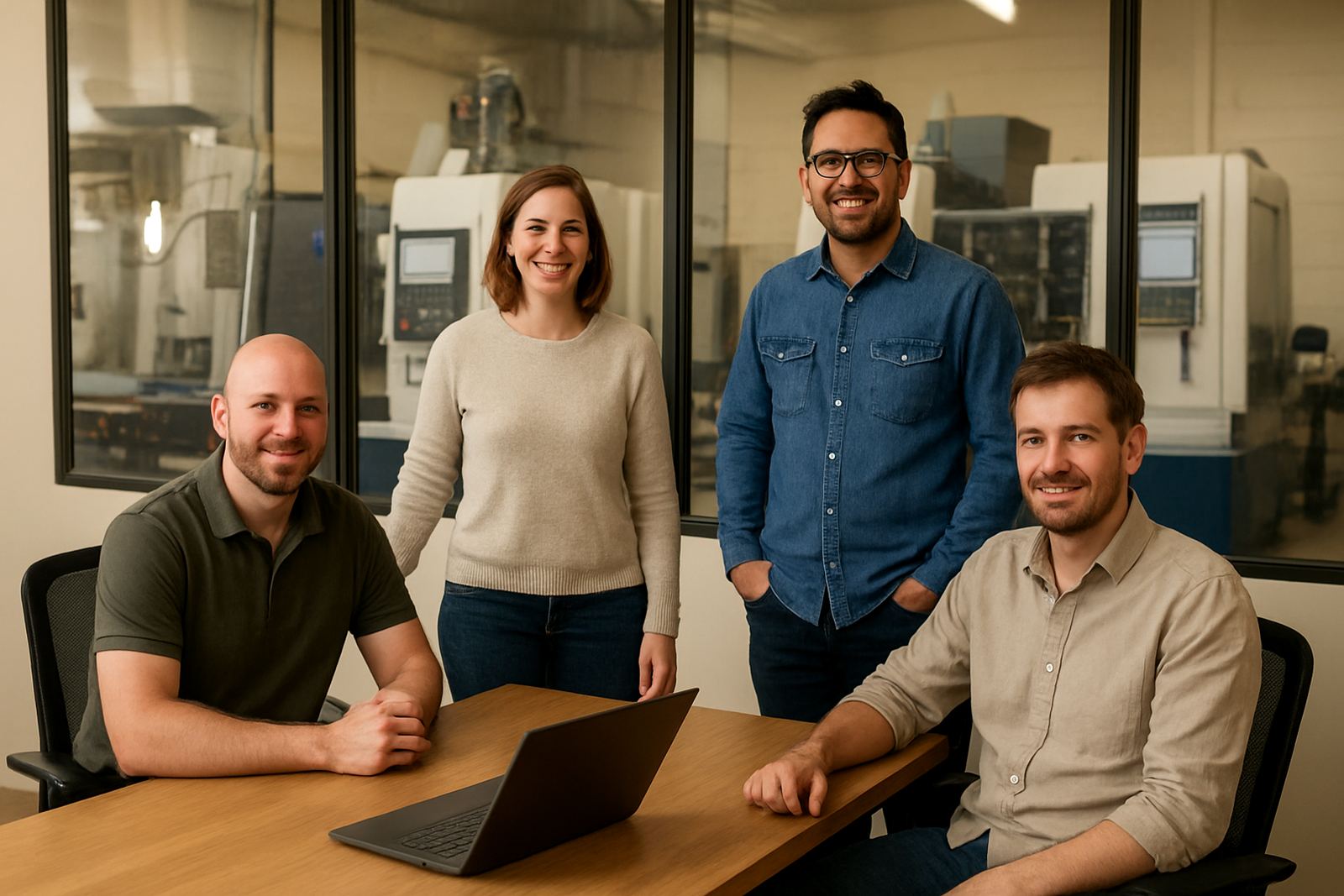
We are led by Pieter Johannes van der Merwe, and the team includes applications, support, training and implementation people who spend their days solving the practical issues that stop a job from running. The work is technical, but the approach is plain and direct. Customers do not need a lecture, they need a file that posts correctly and a plan that fits the way their shop works.
What we value when we walk into a shop
Our values are simple and they come from years of dealing with production floors, deadlines and the cost of rework. We keep things specific, we test what we change and we explain the result in a way that the next person in the shop can use. If a post-processor needs tuning for a plasma table in Durban or a turning centre in Johannesburg, the job is not finished until the output is reliable.
- Practical work first, with solutions that fit the machine and the operator
- Clear communication, so the shop knows what changed and why
- Respect for production time, because every hour off the machine costs money
- Careful testing before release, not guesswork
- Training that matches the user level, from owner to operator to programmer
We also value consistency. A shop may need one urgent fix today and a broader workflow review next month. Both matter. That is why we keep our support process structured, from first enquiry through to installation, handover and follow-up. The aim is not to make things complicated, but to make them repeatable.
How our team works across licences, posts and training
Our team is set up to handle the full path from software licence to machine-ready output. Ompha Mabandla focuses on applications work, Tiaan Ferreira handles post-processor development and tuning, Phenyo Ngema coordinates training, Farieda Jacobs leads technical support, Mthunzi Diale manages implementation and Vanisha Rampersad looks after customer success. That structure helps us respond properly instead of sending a customer from one person to the next.
When a shop needs a new licence installed, we make sure the machine side, the user side and the workflow side all line up. If a post needs a custom output format, we look at the control, the machine motion, tool change behaviour and any local shop rules before making changes. If training is needed, we do not force a generic class on everyone. An owner wants different information from an operator, and a programmer needs more depth again.
- Licence installation and activation support
- Custom post processors and post tuning
- Machine onboarding for new CNC equipment
- Operator, programmer and owner training
- First job support after a new setup or changeover
Training that fits the way South African shops actually run
Our training work is practical and job-based. We support shops in Centurion, Pretoria, Johannesburg, the East Rand, the West Rand, Vereeniging, Durban and Cape Town with on-site and remote sessions depending on what makes sense for the business. Some shops need help getting a new programmer confident on toolpaths and offsets. Others need the whole floor brought up to speed after new software or a new machine arrives.
We keep the sessions focused on the work that matters: file preparation, post output, setup sheets, tool libraries, machine verification and handover to production. Coastal humidity in Durban or winter dryness in Gauteng can affect storage, tooling and general workshop discipline, so we speak about those realities too. Training should not be theoretical. It should help the team make fewer mistakes on the next shift, not just understand a menu they may never use again.
In some shops, training is a one-off. In others, it becomes part of the annual support plan. That can include refresher sessions, new staff onboarding and help when a shop changes material, control type or production method. A good trainer should leave the team more confident and the manager with less worry, not more paperwork.
Support that keeps production moving
Support is where many software relationships are tested. A post that works in simulation but fails on the machine, a tool library with wrong values, or a file that will not load after a change in setup can stop a day’s production. We work to reduce that kind of downtime by helping with remote troubleshooting, workflow audits and first job support. In many cases, the real issue is not the software itself but the way the system was set up around it.
When we audit a workflow, we look at the full chain from design through to cutting, including file naming, version control, tool data, machine setup sheets and operator handover. The goal is to catch problems before they turn into scrap. Shops with multiple machines often need a standard method so one programmer’s file does not behave differently on another machine. That is where our experience helps.
For businesses that want ongoing cover, annual support plans are available. These are useful for shops that run multiple shifts, take on varied work or have a small internal team that still needs backup. We keep the support process direct and measurable, with the aim of getting your machine back into production as quickly as possible. No drama, just proper follow through.
About CNC Software and Our Workshop Roots
Customers usually come to us with one clear problem, then stay because the next one gets solved properly as well. A router shop may begin with a post fix and later ask for tool library builds and operator training. A milling shop may start with licence installation and later bring us in for machine onboarding or a workflow audit. This is normal, because once a shop sees that the work is handled properly, they often want the same standard across more machines and more staff.
We are based in Centurion, but our work travels across the country. The towns and industrial areas may be different, yet the pressure points are often the same: keeping production running, training people well and making sure the CAD/CAM side fits the machine shop reality. That is what we focus on every day. Not just software in theory, but software that helps a South African shop meet its deadlines and keep a clean process.
If you need help with a licence, a custom post-processor, training or support, reach us through the enquiry form on our contact page. We will look at the machine, the workflow and the outcome you need, then work out the most practical way forward.