Owner-Run Workshops Starting With One Machine
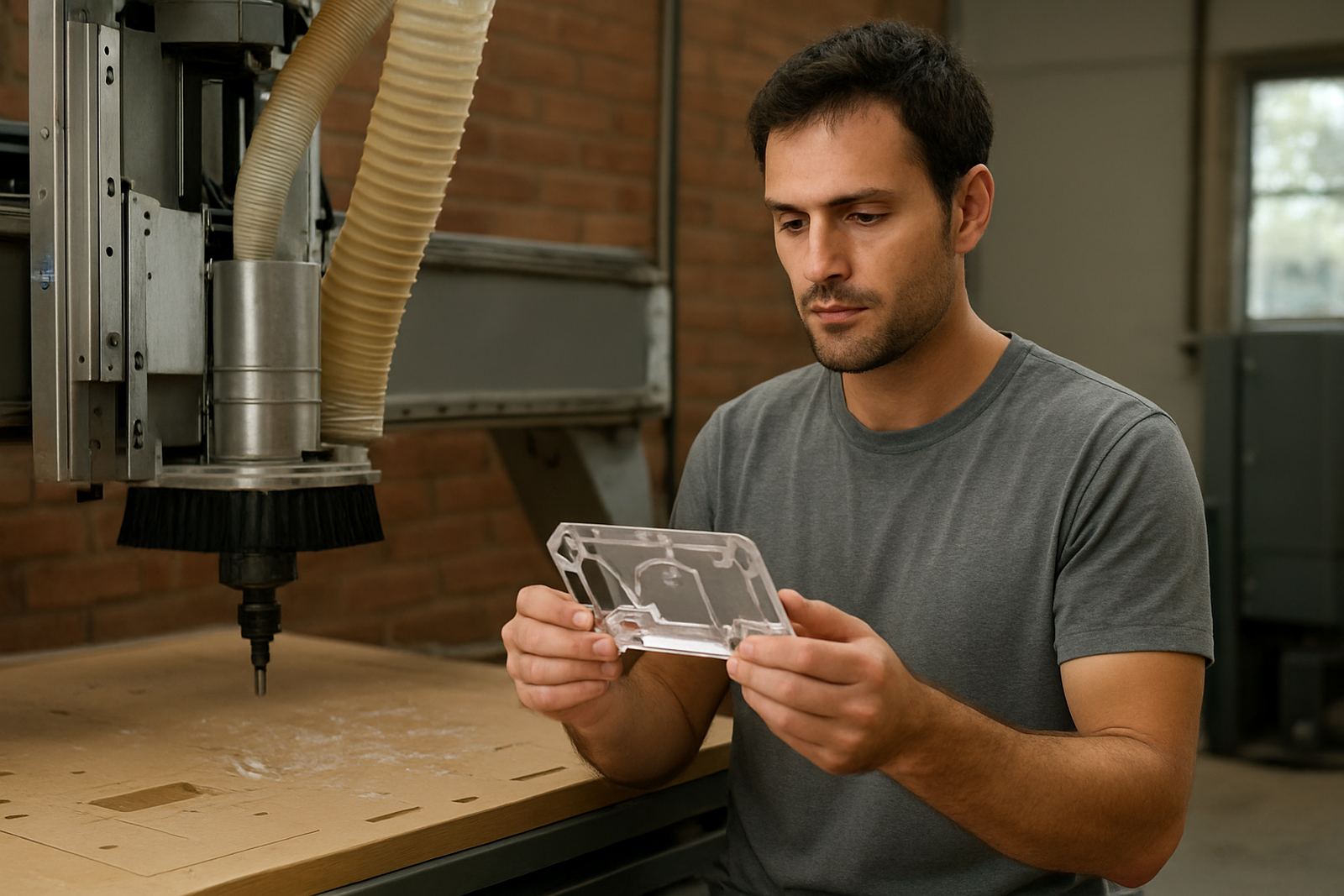
If you are running a small workshop from Centurion, Pretoria, Vereeniging or anywhere nearby, the focus is usually simple: get dependable output without overbuying software you will not use. These shops often need one clean licence, a basic but reliable post, and training that gets the owner or lead operator making parts quickly. The aim is to keep setup time down and reduce scrap on first jobs.
For smaller shops, we usually look at how the machine is used, whether work changes often, and who will generate the code. A turning machine with repeat parts needs a different setup than a router doing signs, panels or jigs. If the operator is also handling quotes, material prep and tool setting, the training has to be practical and direct.
- Single-machine or low-volume production
- Owner-programmer or one main operator
- Need for quick installation and simple handover
- Priority on first job support and basic post tuning
Multi-Machine Job Shops With Mixed Work
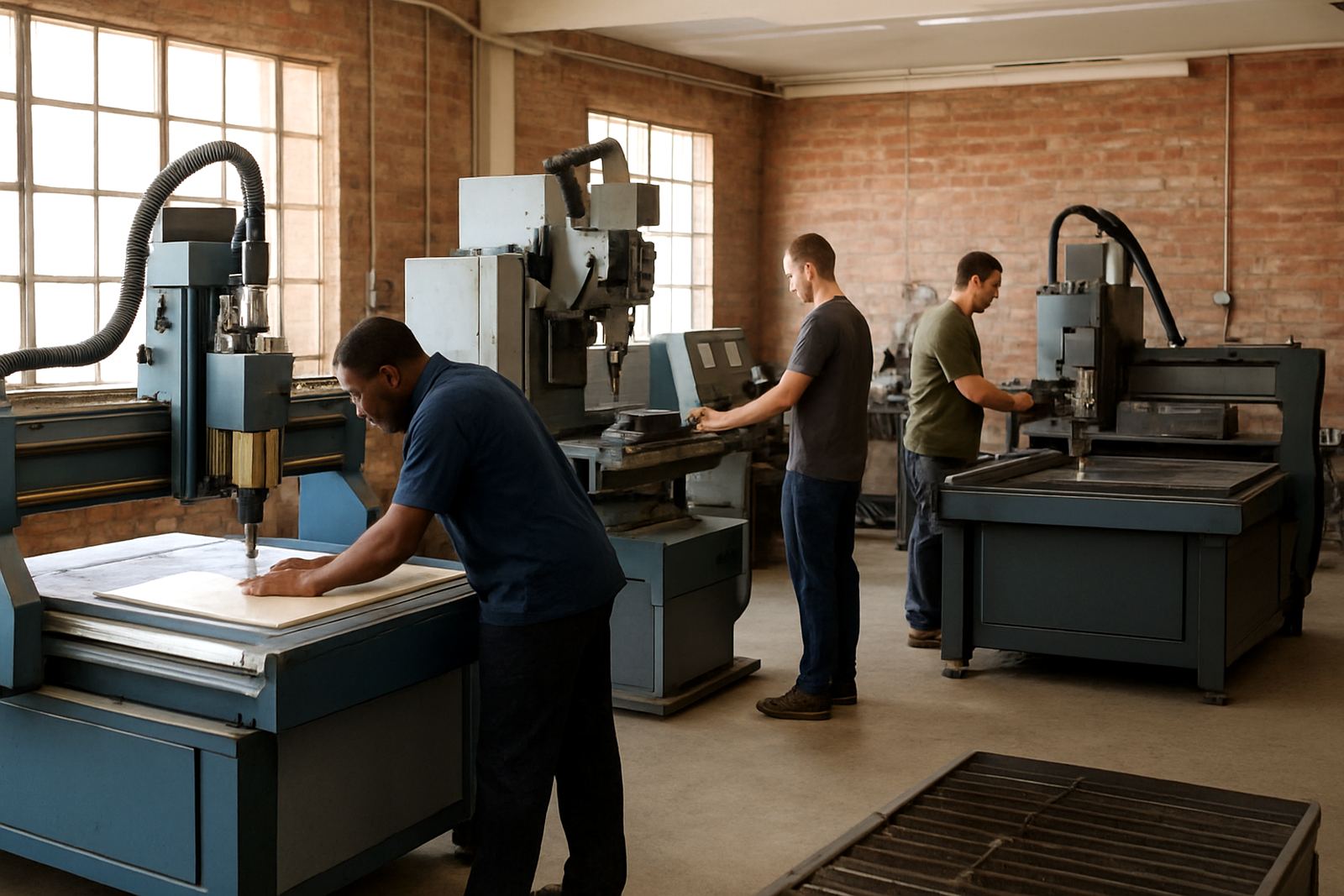
Larger job shops in Johannesburg, the East Rand, West Rand and Durban often run a mix of routers, mills, lathes and plasma tables, sometimes in the same week. Here the key issue is consistency. You want posts that match each machine properly, tool libraries that are kept tidy, and licence planning that supports more than one seat if needed. When work is shared between staff, poor setup can waste hours across the floor.
We help shops standardise output so that one programmer is not fighting with three different machine behaviours. That includes machine onboarding, post tuning and workflow audits where the shop wants to tighten up quoting, programming and release to the floor. In some plants, the real problem is not the code, it is the handover between programming and production.
- Multiple machines or mixed machine types
- Several programmers, operators or shifts
- Need for controlled post-processors and version handling
- Useful where downtime is costly and parts must repeat accurately
Routing Shops Handling Boards, Signs And Cabinet Parts
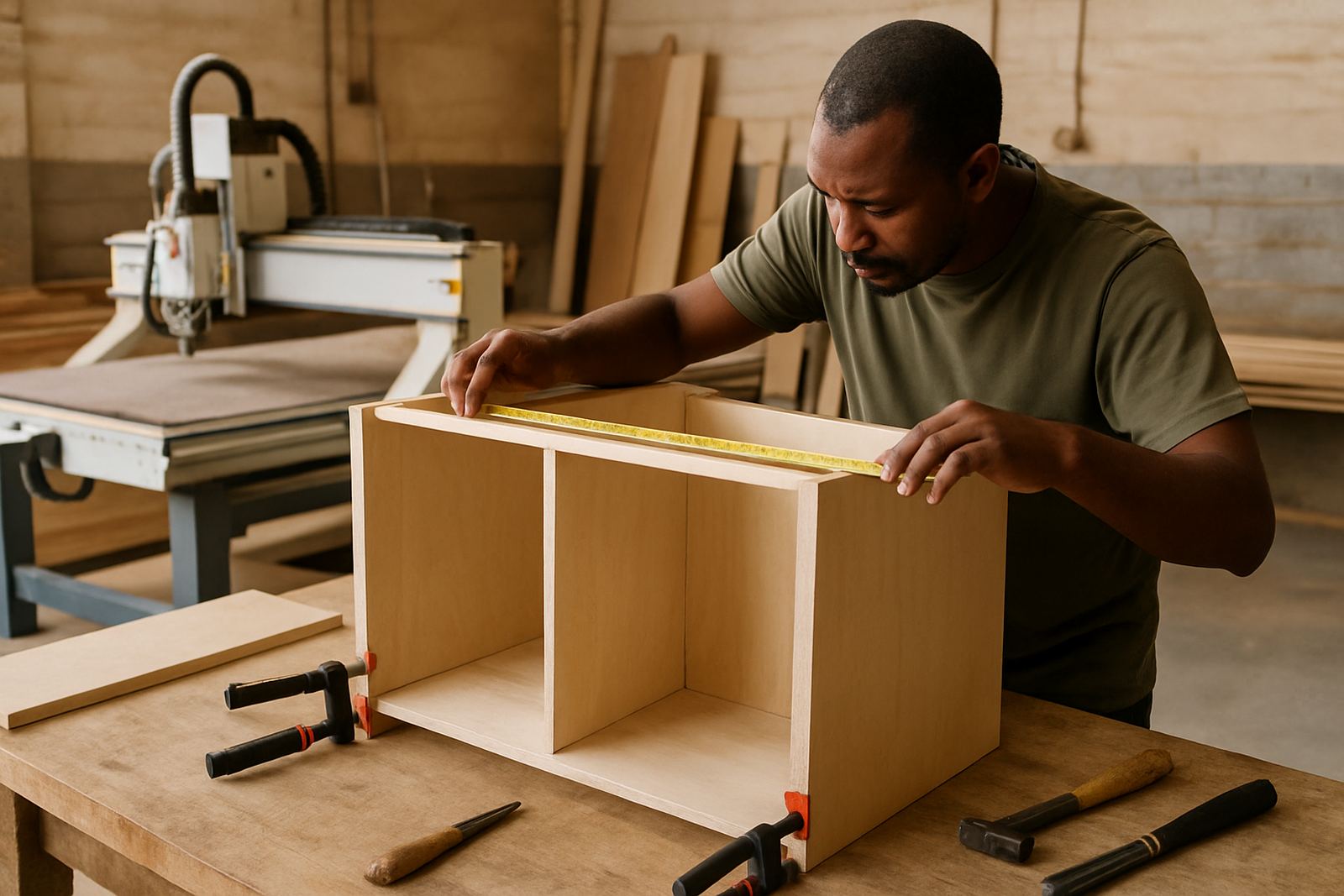
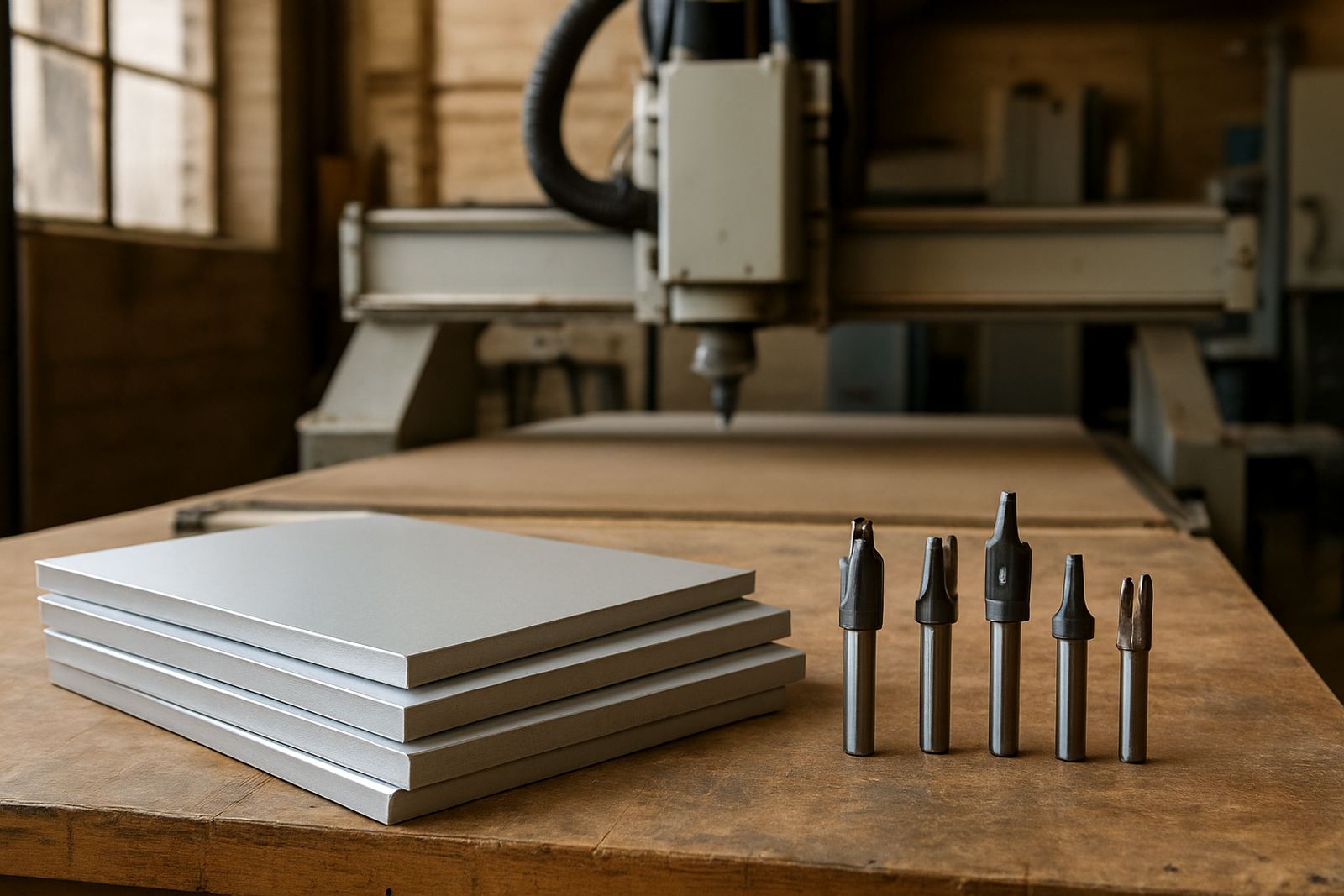
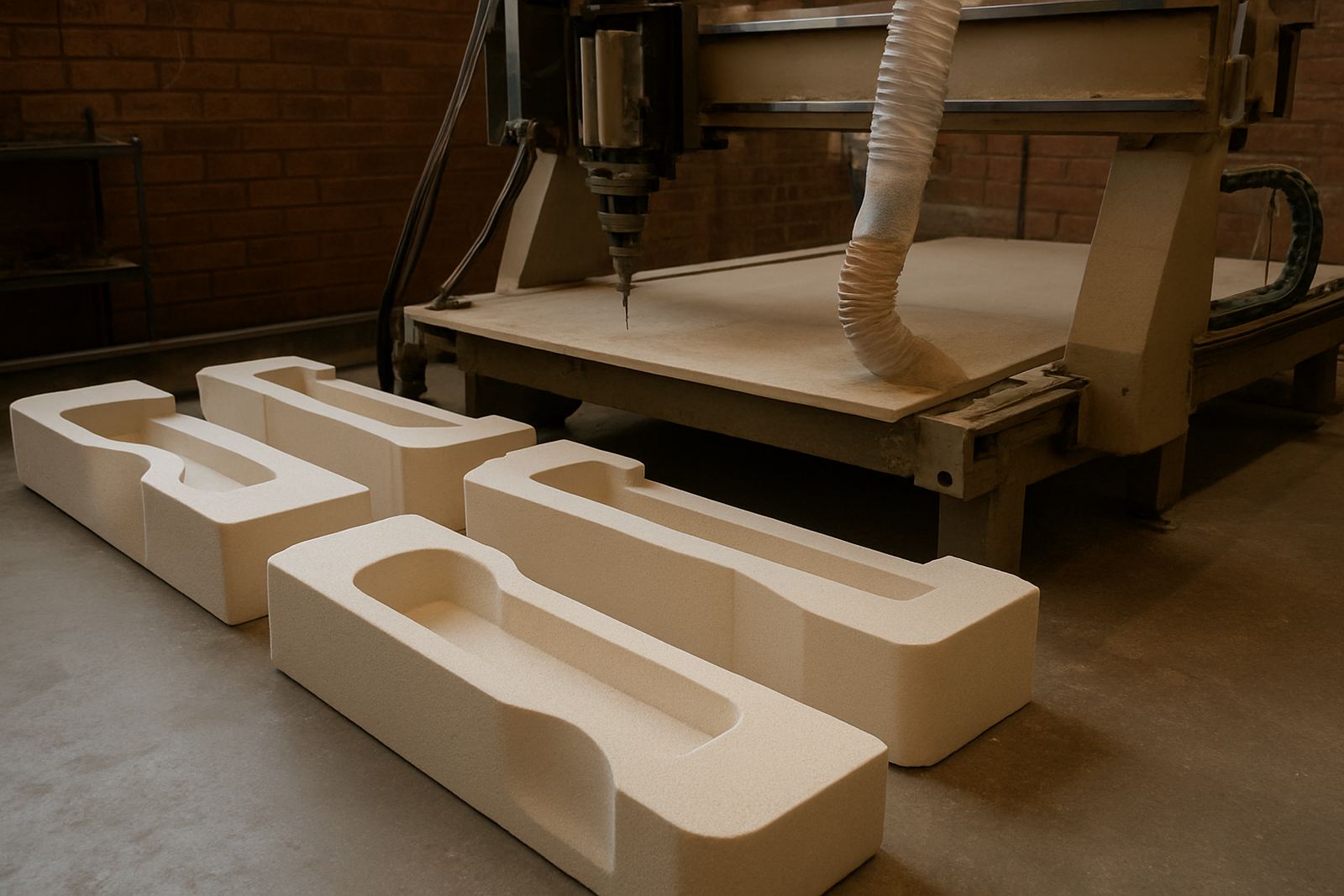
Routing shops in Cape Town, Pretoria and coastal areas often deal with board products, timber, aluminium composite and occasional plastics. Coastal humidity can affect material stability, so accurate feeds, tool paths and file discipline matter more than many shops expect. These environments also need tool libraries built around the cutters they actually use, not a long list that no one maintains.
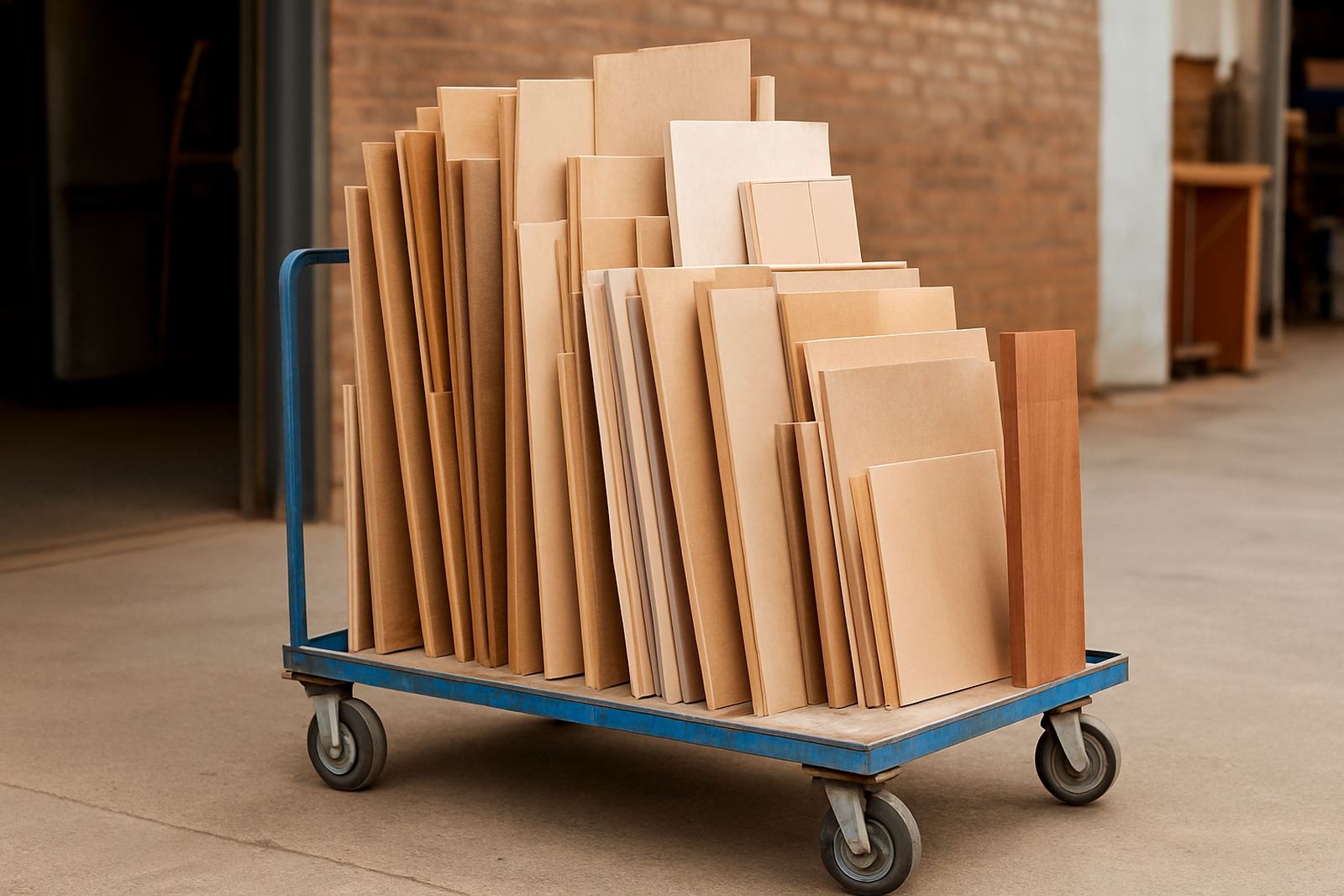
For routing, we look at nesting habits, tool change routines and how the shop handles panels, clamps and offcuts. If the same machine runs both production and custom one-off work, training needs to cover both fast batch work and careful manual decision making. The right post can also save time when routers are swapped, upgraded or moved to a different bay.
- Panel processing and sheet-based production
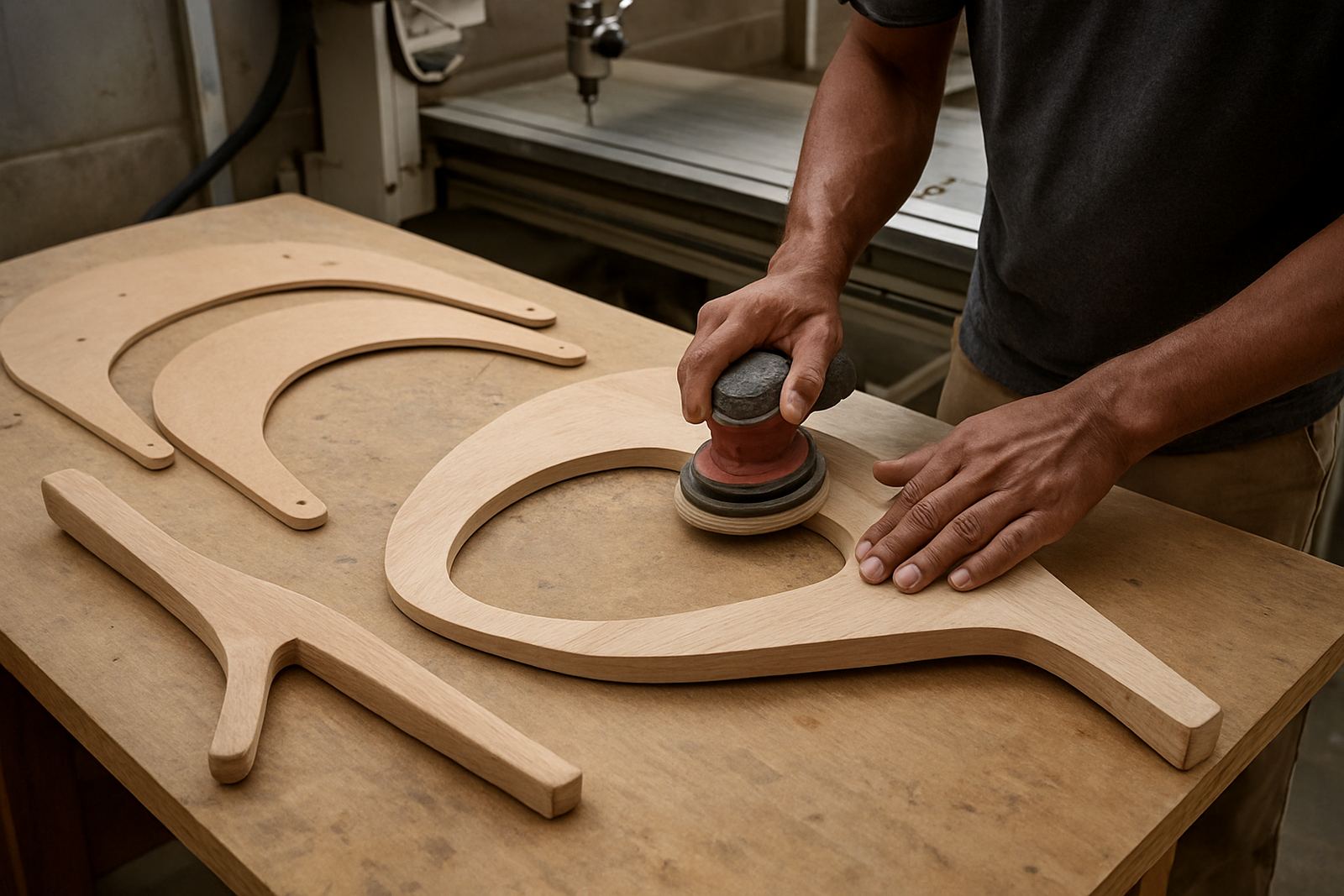
- Signs, furniture parts and bespoke components
- Need for clean nesting, safe toolpaths and practical operator training
- Useful when offcuts, sheet yield and repeatability affect margins
Milling And Turning Shops Needing Accurate Output
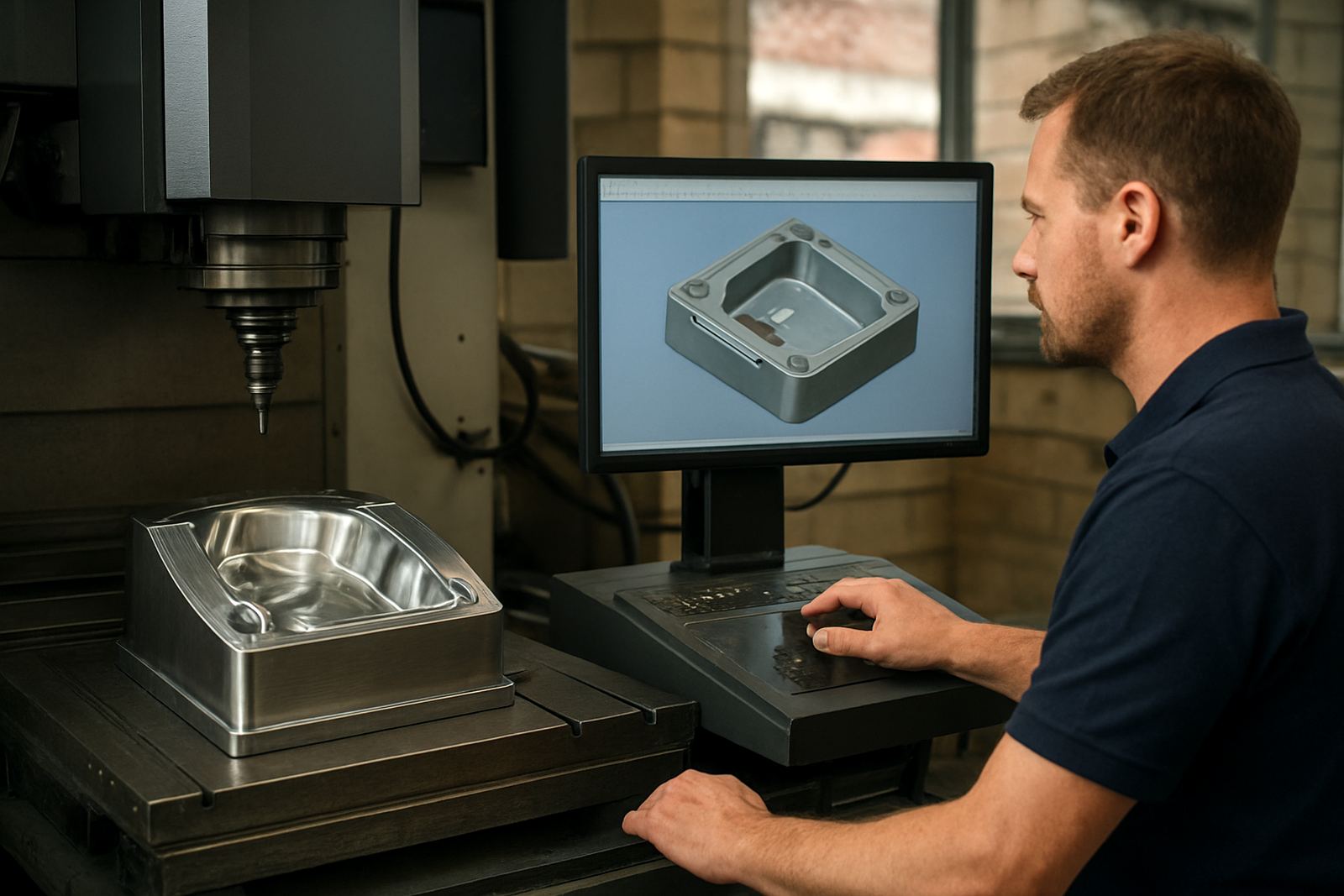
Machine shops producing metal components need more than a working licence. Milling and turning jobs depend on the post matching the control, the machine geometry and the way the operator expects to see code. A small mismatch can lead to long setup sessions or avoidable edits at the machine. That is why post tuning and first job support are so important for these environments.
We often see shops in Pretoria, Johannesburg and Vereeniging where one programmer handles several machines and the standard varies from one job to the next. In that case, we focus on stable output, predictable tool changes and a workflow that suits the actual team size. If the shop has a new hire or a changing job mix, programmer training helps keep the process consistent.
Plasma Cutting Teams That Need Speed And Control
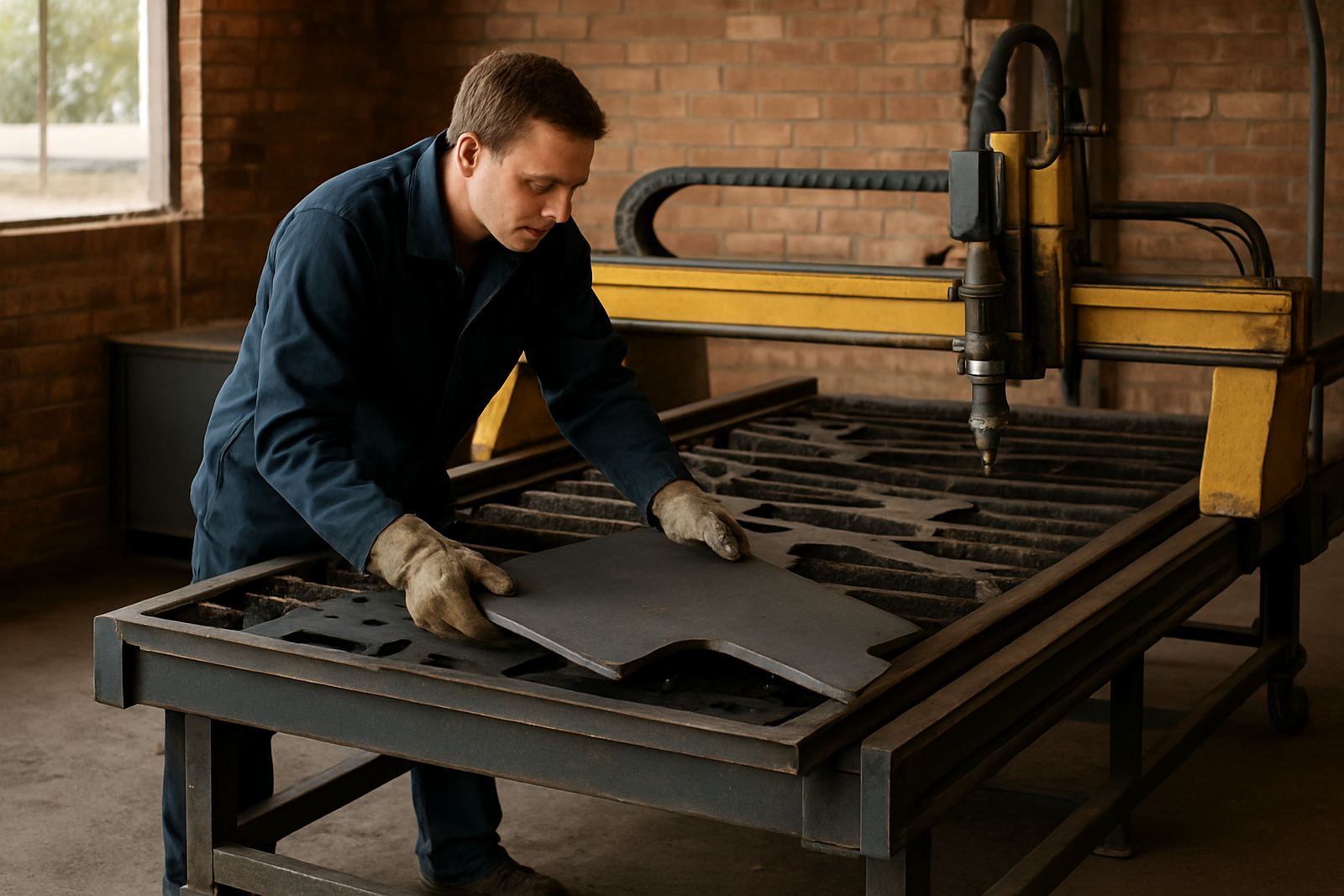
Plasma shops usually want clean output, reliable pierce settings and a file flow that does not slow the table down. These shops often work under time pressure, especially when orders come in with short lead times and the client wants same-week delivery. Good setup matters because a poor post can create more rework than the cut itself.
For plasma users, we pay attention to torch control, lead-ins, cut quality and how the operator sends jobs from screen to table. Some shops run one table, others rotate work between cutting and finishing. Either way, licence installation and machine onboarding should be straightforward so production does not stall during load-shedding or when power returns after an interruption.
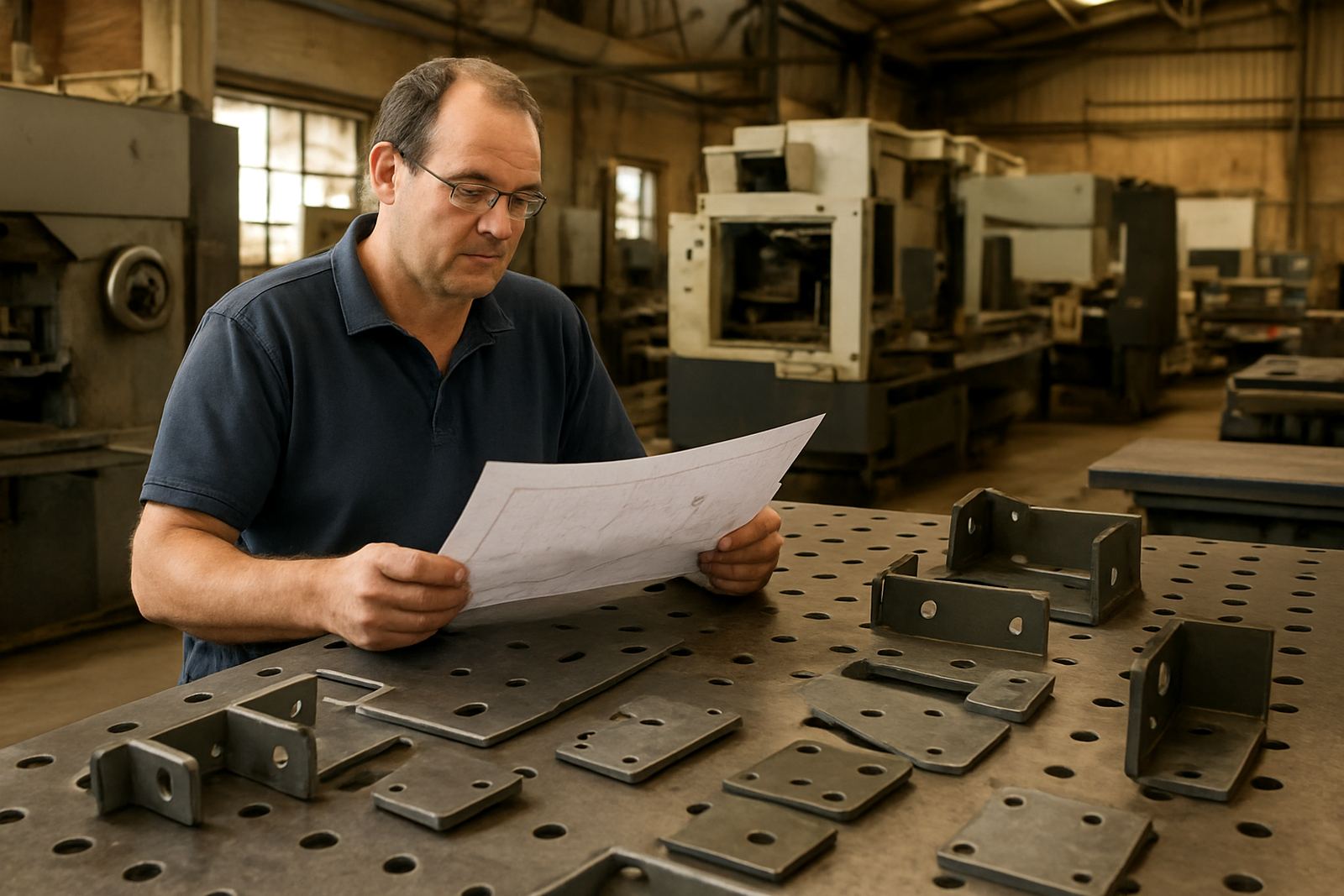
- Profile cutting, brackets and plate work
- Need for quick file handling and repeatable cut settings
- Useful when power interruptions require fast restart and clear job records
- Training helps reduce scrap on thick or awkward material
How To Choose The Right Fit For Your Shop
The right choice usually comes down to four things: machine type, number of users, volume of repeat work and how much support the shop wants after installation. A single-owner workshop may only need one licence, basic training and a stable post. A larger plant may need several licences, multiple posts and annual support plans so the team can keep moving when staff change or new machines arrive.
Our Centurion base supports shops across South Africa, with on-site and remote help available where it makes sense. If you are unsure what to start with, we normally begin with a short review of the machine list, current process and the kind of jobs you cut most often. That gives a practical path for licensing, post-processors and training, without adding extra software that the shop will not use.
- Start with the machine list and the jobs you cut most often
- Match licence choice to user count and production flow
- Use post tuning to reduce edits at the machine
- Plan training around the actual operator, not the ideal one