
What furniture shops usually need from CAD/CAM
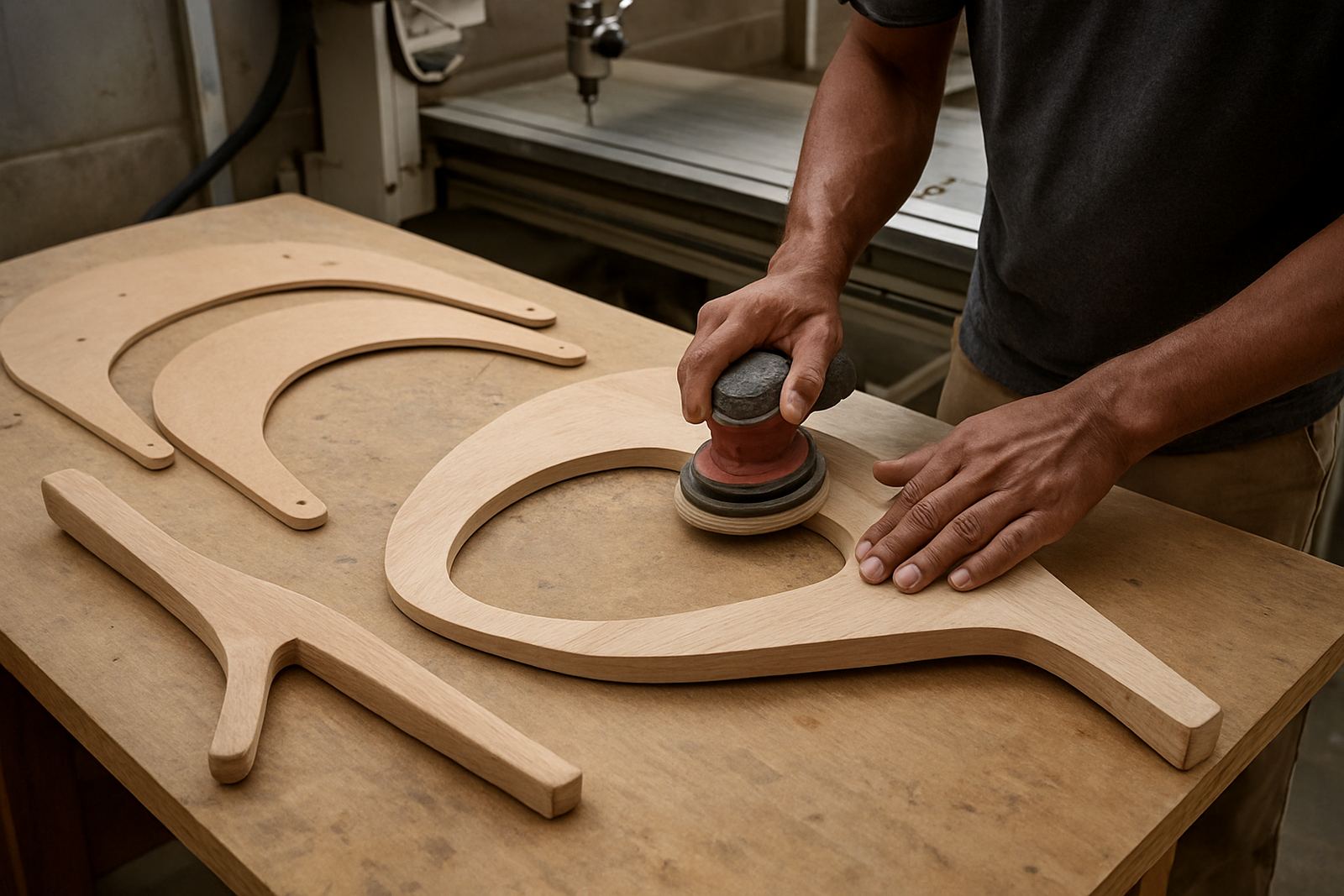
Most furniture makers are not chasing one fancy machine feature, they want jobs to go from drawing to cut file without wasting sheet material or time at the machine. That means a reliable CAD/CAM licence, a post-processor matched to the controller, and a setup that works for nested board cutting, drilling, pocketing, engraving and basic 2.5D parts. In many South African shops, the same team is also handling edging, assembly and site fitting, so the software has to be simple enough for an operator to follow after a short handover.
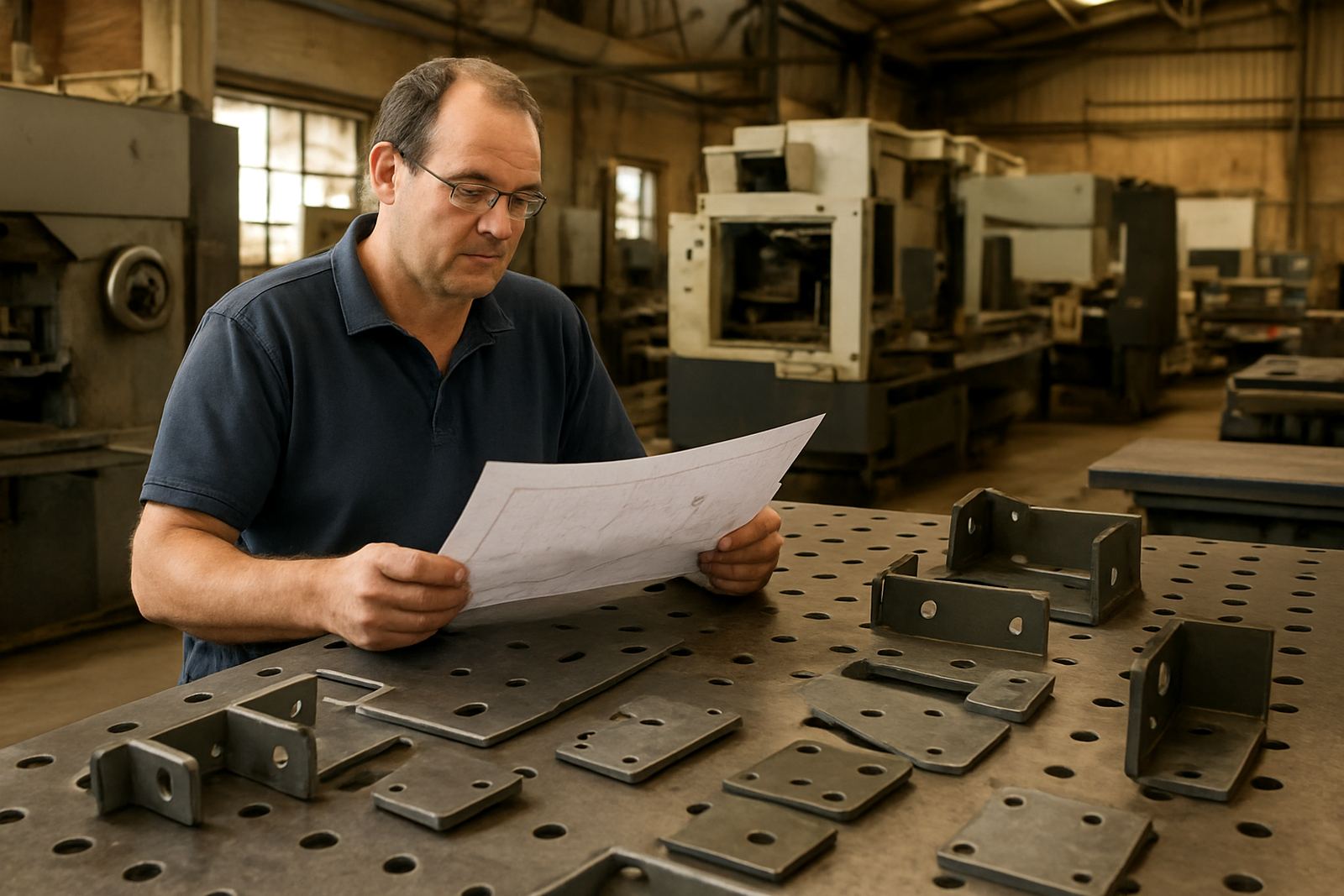
A typical furniture workflow starts with sheet goods, solid timber details, and sometimes aluminium trims, brackets or fixture plates. If the post is wrong, the machine may still move but the output can be messy, with wrong tool changes, incorrect spindle start codes or bad feed values. That is where custom post-processors and post tuning save real money, especially when material costs are high and rework means another sheet gone.
Typical equipment in a furniture workshop
Furniture makers across Pretoria, Johannesburg, Durban and Cape Town usually run a mix of machines. Some shops have one CNC router doing cabinet parts, others also run a mill for jig plates or a small lathe for special components. The software setup needs to suit the machine that is there, not a theory on paper.
- Nested based CNC router for board cutting, drilling and slotting
- Vacuum table with spoilboard and a mix of standard cutters
- Tool changer or manual tool change spindle
- Drill block for hinge cups, shelf pins and dowel holes
- Occasional milling or turning machine for metal fittings, inserts or fixtures
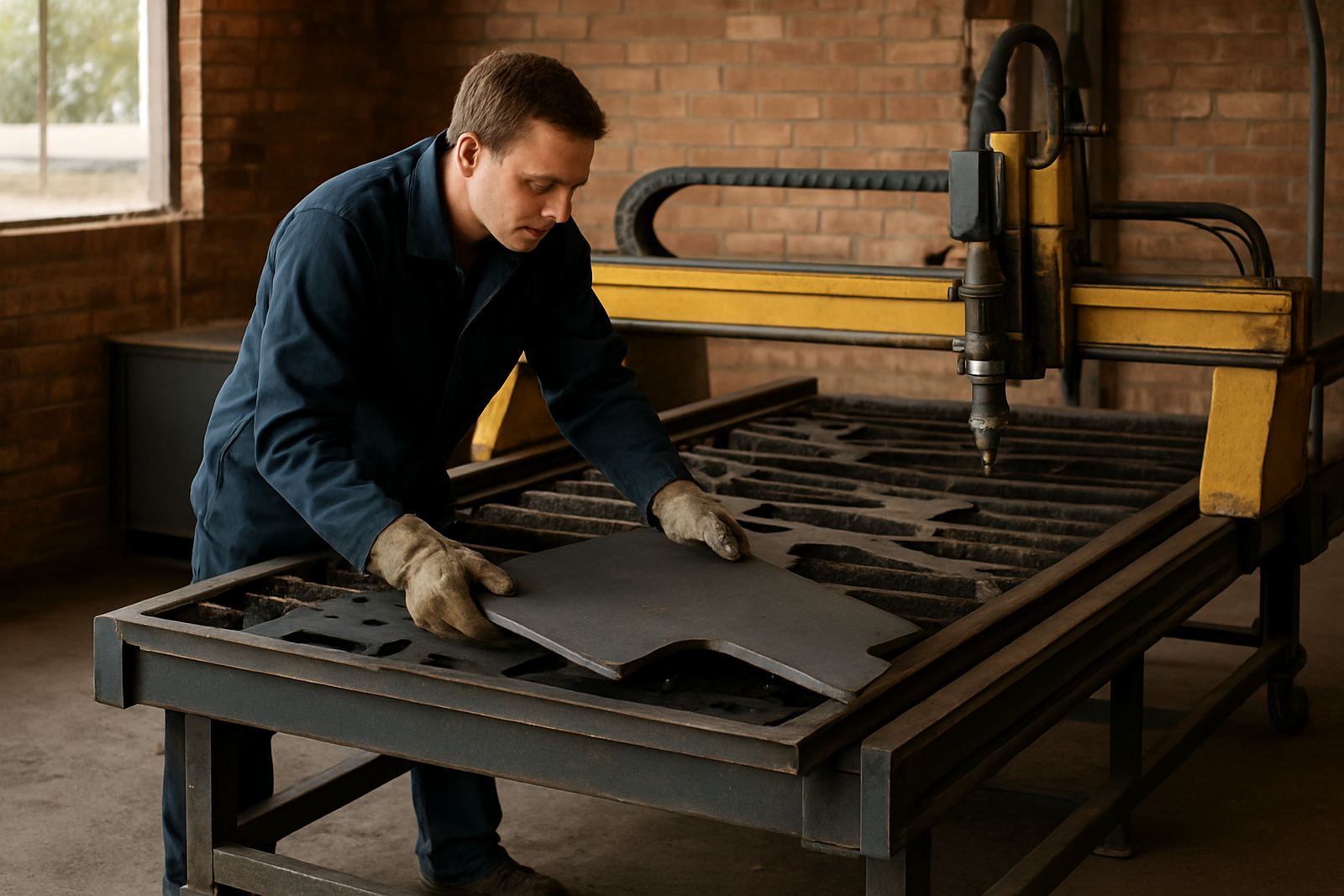
- Plasma table only where light metal brackets or shop aids are part of the workflow
In humid coastal areas like Durban, machine rooms need extra care around moisture, cable management and compressed air quality. In Gauteng, power cuts and surges mean licence installation and machine onboarding should be planned with backup power in mind, even if the machine itself is not always on a generator.
How we plan a furniture CAM setup
Good planning starts with the machine model, controller type, tooling list and the actual parts you make. A kitchen cabinet shop will need different toolpaths and output than a maker of solid timber tables or display units. We look at the drawing style, nesting method, hold-down method, and whether the operator needs one clean file per job or a full library of repeat work.
For many shops, the most useful setup includes a clean tool library, standard material presets and a post that handles safe starts, stops and tool changes. If the machine is older or the controller is less common, a custom post-processor is often the difference between a smooth first job and a week of editing G-code by hand. The goal is to keep the programmer focused on the job and not on fixing code line by line.
- Match the post to the controller before production starts
- Set material thickness and tool lengths correctly
- Build reusable templates for boards, rails and drawer fronts
- Confirm dust extraction clearances and clamp positions
- Test the first job on scrap before running full sheets
Training for operators, programmers and owners
Furniture shops often have a small team, so training needs to be practical. An operator may only need to load a program, set zero and check toolpaths. A programmer needs to know how to build repeatable jobs and reduce scrap. An owner may want enough understanding to quote better and see where time is being lost on the shop floor.
We run hands-on training in Centurion and also on site in Pretoria, Johannesburg, Vereeniging, Durban, Cape Town and other parts of South Africa. For first-time users, the best results usually come from licence installation, machine onboarding and first job support in one sequence. That way the team can move from software to real parts without waiting weeks between steps. It also helps when there are staff changes, because new people can be brought up to speed quicker.
Common mistakes that waste timber and time
Furniture work is unforgiving when a cut is wrong. One bad setup can waste an expensive board, damage a cutter or leave a batch of parts out by a few millimetres. These are the problems we see most often in furniture shops:
- Using a generic post that does not suit the controller
- Skipping post tuning after a machine service or software change
- Not checking the vacuum hold-down plan before cutting
- Mixing board, timber and metal tools in one vague library
- Letting different operators save files in different formats
- Ignoring dust, moisture and temperature changes in the workshop
When a shop is under pressure, it is tempting to push through and hope the next sheet goes better. In practice, a short workflow audit usually finds a few small fixes that save a lot of scrap. Sometimes it is just a feed rate problem or a tool library error, other times the layout on the bed needs to be changed so parts are less likely to shift.
Budget ranges for South African furniture workshops
Budget depends on machine count, controller type, number of users and whether the shop needs training at one site or across branches. A small furniture maker with one CNC router and a simple workflow may only need a licence install, a standard post adjustment and a few hours of training. A larger shop with multiple machines, mixed materials and more than one programmer will usually need a fuller setup.
As a working range, many small to medium furniture shops should allow for about R6 500 to R18 000 for basic licence installation and onboarding support, depending on scope. Custom post-processors and post tuning can range from about R8 000 to R35 000, especially if the machine controller is unusual or the workflow has several tool change requirements. On-site training, first job support and workflow audits can start around R5 500 per visit day, with longer projects costing more where travel and testing are involved. Annual support plans are useful when the shop wants ongoing help without waiting for a crisis.
For shops in outlying areas or with several branches, remote troubleshooting is often a good first step, then on-site work follows where needed. That keeps downtime down and helps the team get back to production sooner.