When shopfitting orders change by the hour
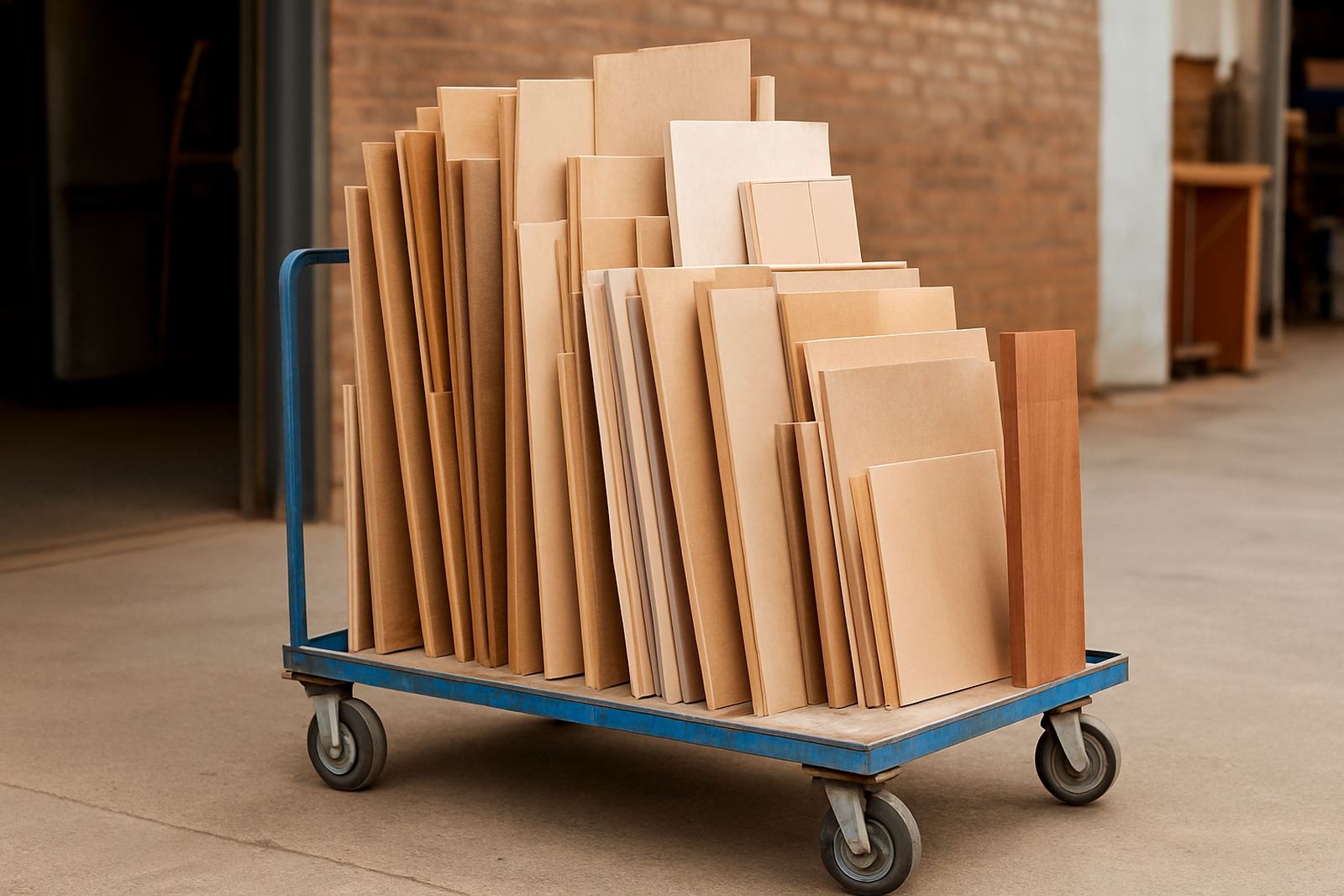
Shopfitting shops often run a mixed load of carcasses, shelving, display units, counters, fascia panels and fitment parts, all in different sizes and materials. One week it is laminated board for a retail rollout in Pretoria, the next it is solid surface trims, aluminium details or mild steel brackets for a branch in Durban. That kind of work needs programming that can keep up with revisions, nested sheets and short installation windows.
We work with CNC shops that need reliable CAD/CAM licences and practical setup support for this type of production. The aim is simple: get parts off the machine correctly the first time, reduce hand finishing, and avoid delays when the installer is waiting on site in Centurion, Johannesburg or Cape Town. In shopfitting, a small change to a panel cutout or hinge position can affect the whole batch, so the software workflow must stay easy to manage.
- Short lead times for retail rollouts and refurbishments
- Frequent panel size changes and custom fitments
- Mixed materials, from boards to aluminium and mild steel
- Clean output for routers, mills, lathes and plasma tables
Typical machine set-up in a shopfitting workshop
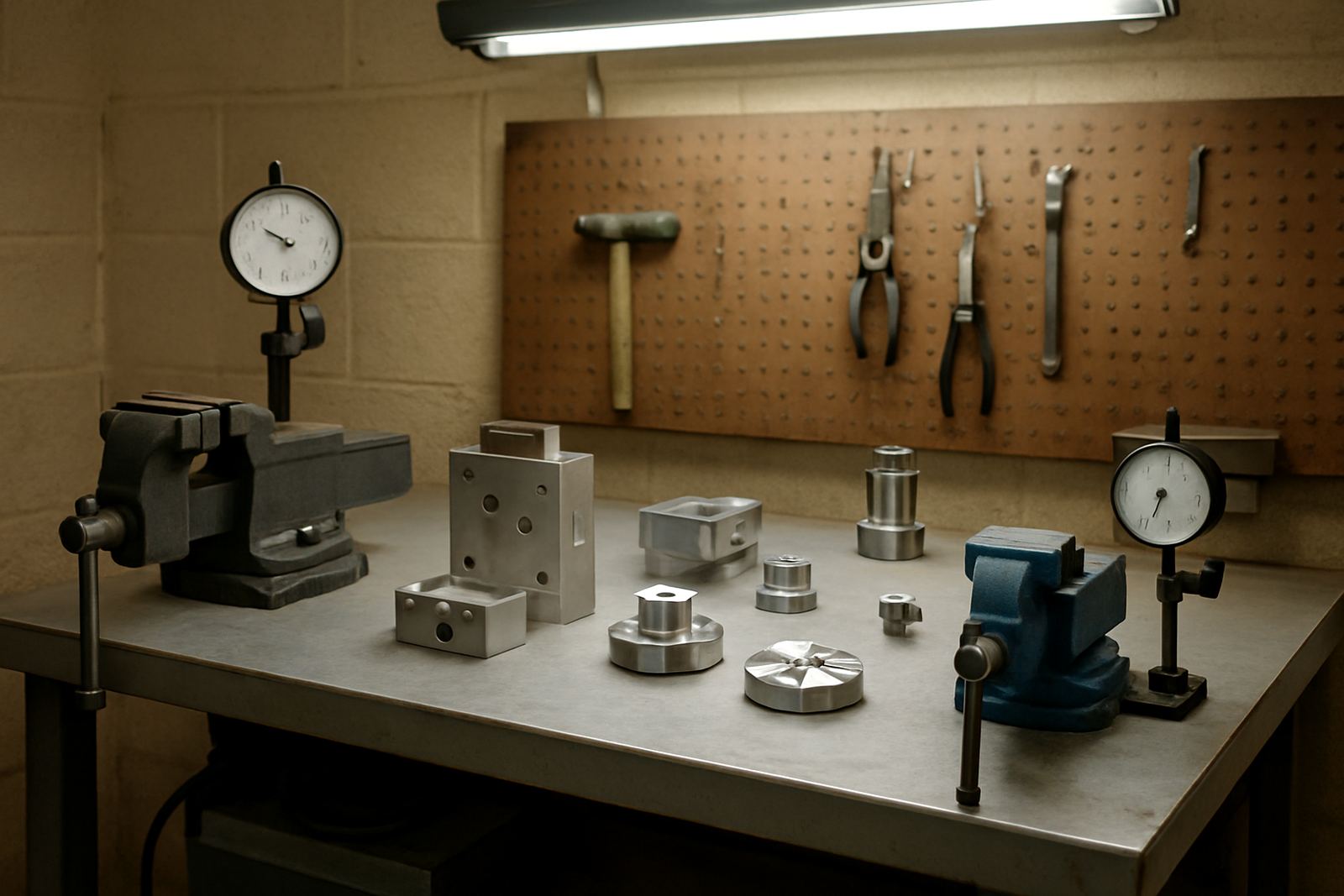
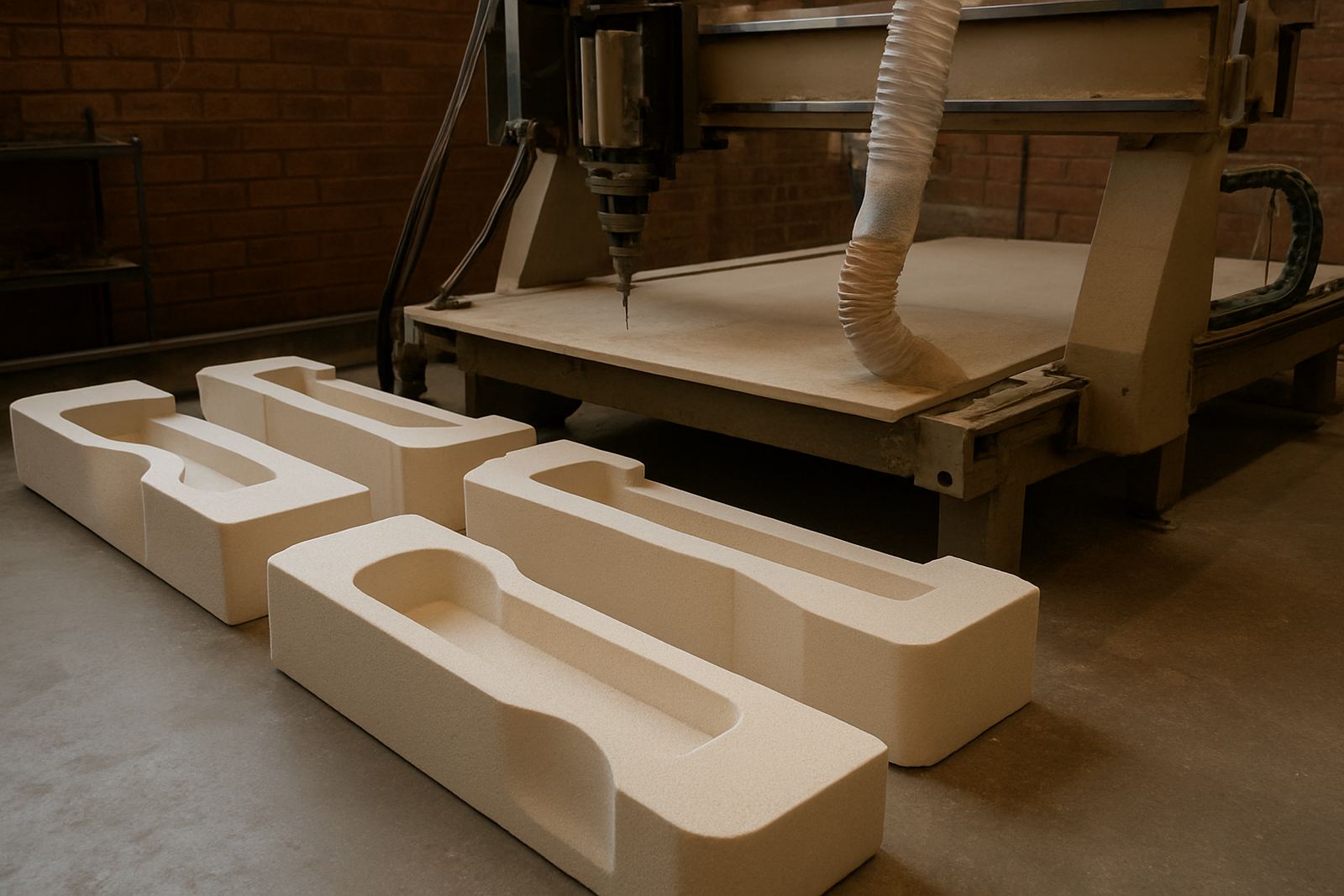
A shopfitting workshop usually runs a nesting router for boards, a milling machine for hardware and jigs, and in some cases a turning centre for spacers, standoffs or custom fittings. Some shops also use plasma cutting for brackets, frames and support plates. The software side has to suit the machine mix, the operator skill level, and the type of jobs you quote every week.
We assist with custom post-processors so your code matches the machine controller and your actual cutting habits. That includes tool change behaviour, safe heights, lead-ins, output formatting and the way your shop handles nested jobs, label printing and toolpaths. If your team is running from a base in Vereeniging or the East Rand, and your machine is on a busy floor with load-shedding backup, setup needs to be practical and repeatable.
- CNC routers for melamine, MDF, plywood and compact board
- Milling machines for fittings, fixing plates and hardware details
- Turning centres for cylindrical parts and shopfitting accessories
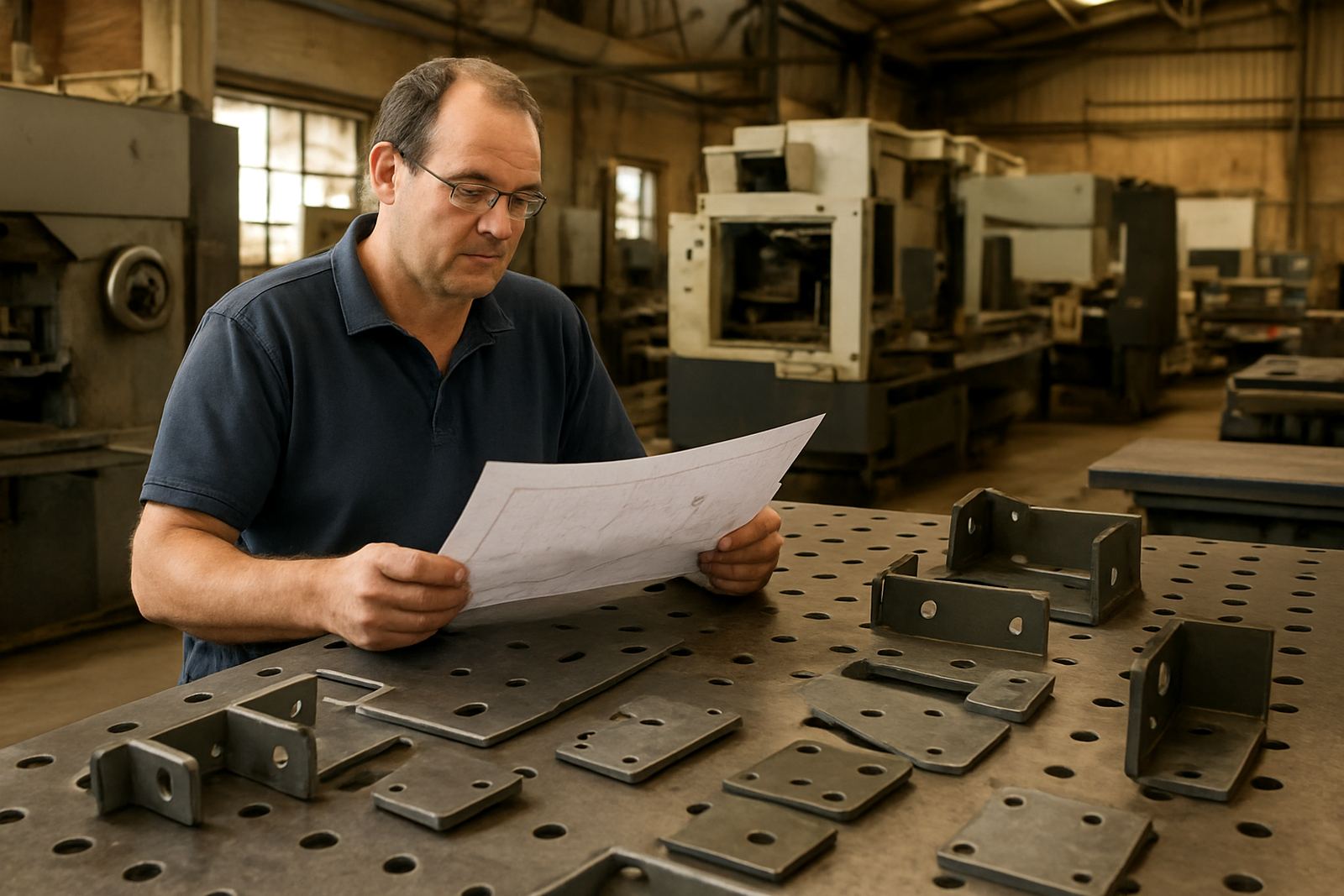
- Plasma tables for steel brackets, frames and mounting parts
Layout and planning advice for faster job flow
Good shopfitting output starts before the first cut. We advise on how to structure your workflow so design files, nesting, tool libraries and post output are handled in a way that suits a small production team or a larger operation. If the person doing quoting, programming and machine setup is the same person, the process has to be tidy. If you have separate programmers and operators, each handover must be clear.
For many shops, the biggest gain comes from standardising common parts. Repeated hinge cutouts, cable holes, edge trim details, shelf supports and connector positions should be set up once and reused. This reduces mistakes and speeds up quote-to-cut time. We also look at how the shop handles material yield, especially when board sizes are tight and cutting plans must make the most of every sheet.
- Create standard libraries for common fittings and panel features
- Set consistent naming for jobs, sheets and toolpaths
- Group repeat parts so the operator can run batches with less checking
- Plan for offline work when power or internet is interrupted
For shops working on municipal projects or retail sites with strict fitting dates, this kind of planning can save a full day. A missed hole pattern or wrong tool offset is expensive when installers are already on the road.
Common mistakes that slow shopfitting production
The most common problem is using generic machine output for a controller that needs specific settings. That leads to alarms, poor surface finish or code that is awkward to edit on the floor. Another issue is leaving the tooling library too loose, so different operators use different feeds, speeds and naming systems on the same machine. Over time, that creates inconsistent parts and more rework.
We also see shops underestimating training. A capable machine with weak operator habits still wastes material. If a new programmer does not know how to check toolpaths, home positions or nesting sequence properly, the workshop can lose hours on a single batch. In shopfitting, those hours matter because delivery and installation are often tied to a fitment crew waiting in Johannesburg or Cape Town, not next week but today.
- Wrong post-processor output for the machine controller
- Poor tool library control and inconsistent cutting data
- Skipping dry runs on new material or new fixtures
- Not checking sheet size, grain direction and part orientation
- Leaving operators to guess safe approach heights or clamp positions
Training that suits programmers, operators and owners
We provide hands-on training for programmers, operators and owners, depending on where the shop needs support. A programmer may need help with tool libraries, nesting, post output and revision control. An operator may need guidance on loading files, checking setups and spotting errors before the first cut. An owner may want better visibility on throughput, licence use and where delays are creeping in.
Our Centurion base supports shops across Pretoria, Johannesburg, Vereeniging, Durban and Cape Town, with on-site training where needed. For larger teams, we can structure training around real production jobs rather than theory. That way the team learns on the parts they actually cut, not on practice files that never match the workbench.
- Programmer Training for nesting, toolpaths and output checks
- Operator Training for machine setup and file handling
- Owner Training for workflow control and production oversight
- First Job Support when a new machine or new workflow goes live
Budget ranges for shopfitting CNC support
Costs depend on the machine mix, the number of users, the level of post-processor work and whether support is remote or on-site. A single software licence and basic setup for a small shop may start from about R18 000 to R45 000, while a more complex package with custom post-processing, onboarding and training can sit between R45 000 and R120 000 or more. Annual support plans are usually priced separately and can be planned around how often you need updates, troubleshooting and workflow help.
If you are running a busy shopfitting floor, the real question is not only what the software costs, but what each delay costs when material is already cut and the fitment date is fixed. A wrong post, a missing tool library or a stalled machine can cost more than the licence itself. For that reason, many shops prefer to budget for installation, tuning and support at the start rather than trying to patch problems later.
- Small shop setup: from about R18 000
- Mid-range multi-user setup: about R45 000 to R120 000
- Custom post-processors and onsite support priced to scope
- Annual support plans for ongoing changes and troubleshooting
Clients reach us through the enquiry form on our contact page, and we then match the support to the actual shop setup and production pressure.
How we support shopfitting teams across South Africa
Our team includes applications, post-processing, training and support specialists who understand that shopfitting work is rarely neat on paper. Jobs can move quickly, materials vary, and the final install date leaves little room for error. We help with licence installation, machine onboarding, remote troubleshooting, workflow audits, tool library builds and post tuning, so the workshop can keep moving without unnecessary rework.
Whether your shop is in Centurion, the East Rand, West Rand, Durban or Cape Town, the goal stays the same: get accurate parts out on time and keep the machine running with less guesswork. That matters just as much in a small fitting shop as it does in a larger production environment.
- Custom Post Processors and Post Tuning
- Machine Onboarding and Licence Installation
- Workflow Audits and Tool Library Builds
- Remote Troubleshooting and Annual Support Plans