What mould shops usually need on the floor
A typical mould shop is trying to keep three things moving at once: design changes, machining time and final finishing. One day the work is a deep cavity in P20 or H13, the next it is an insert with fine details, then a trim tool that must fit cleanly into production with no surprises. That means your CAD/CAM setup has to handle roughing, finishing and rest machining properly, and the post output must match the actual control on the machine.
We work with shops in Pretoria, Johannesburg, Vereeniging, Durban and Cape Town that need practical support for CNC routing, milling, turning and plasma where relevant to toolmaking and support work. The biggest pain point is usually not the software itself but the handover from programming to cutting. If the machine reads a code line wrongly, or an operator loses time editing programmes on the control, the whole job shifts and the scrap risk goes up.
For mould work, small mistakes show quickly on surfaces and parting lines. A toolpath that looks fine on screen can still leave witness marks if the stepdown, step-over or cutter comp is not set for the material and finish required. We help shops set up the workflow so programmers and operators are working from the same information.
Typical equipment set in a mould shop
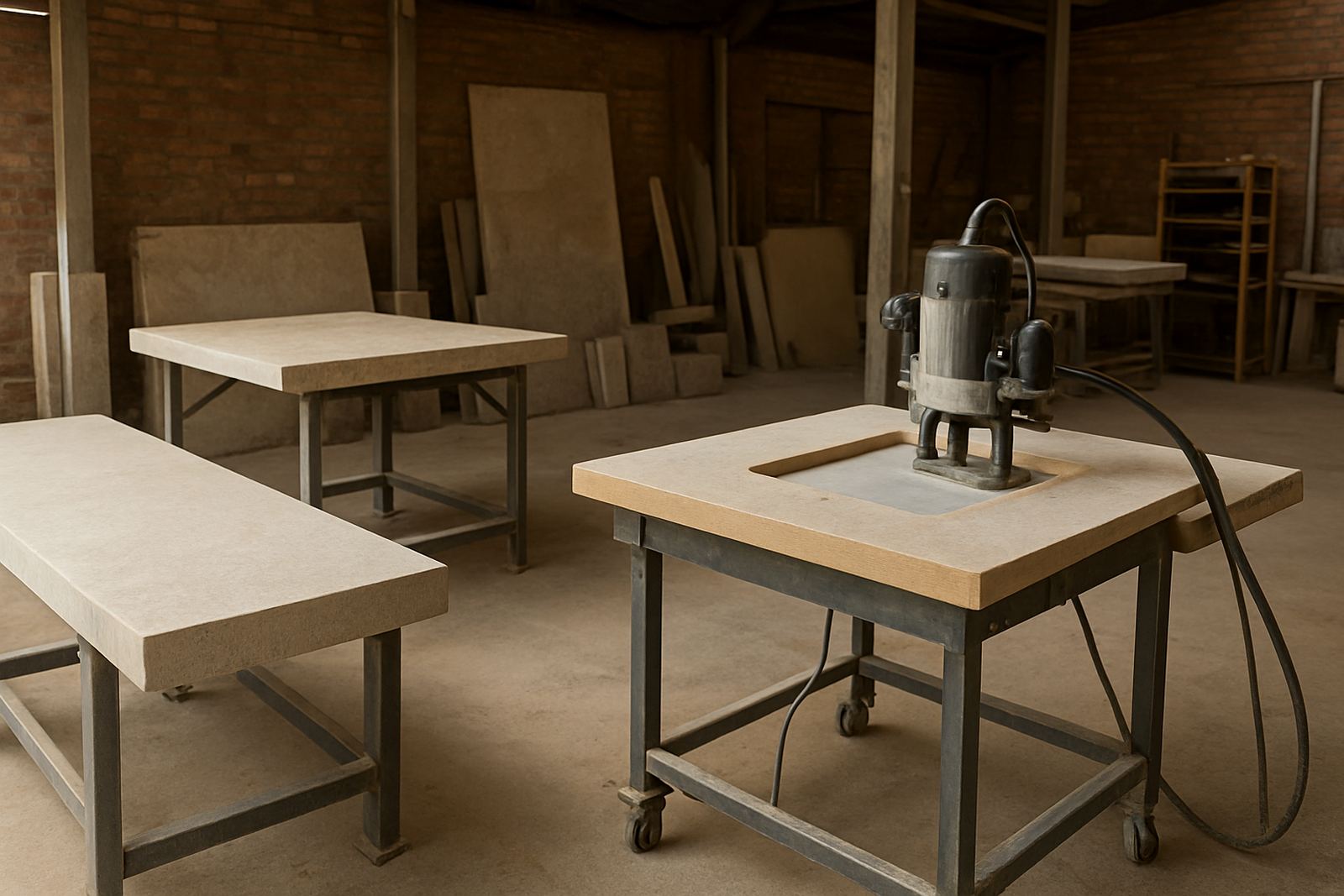
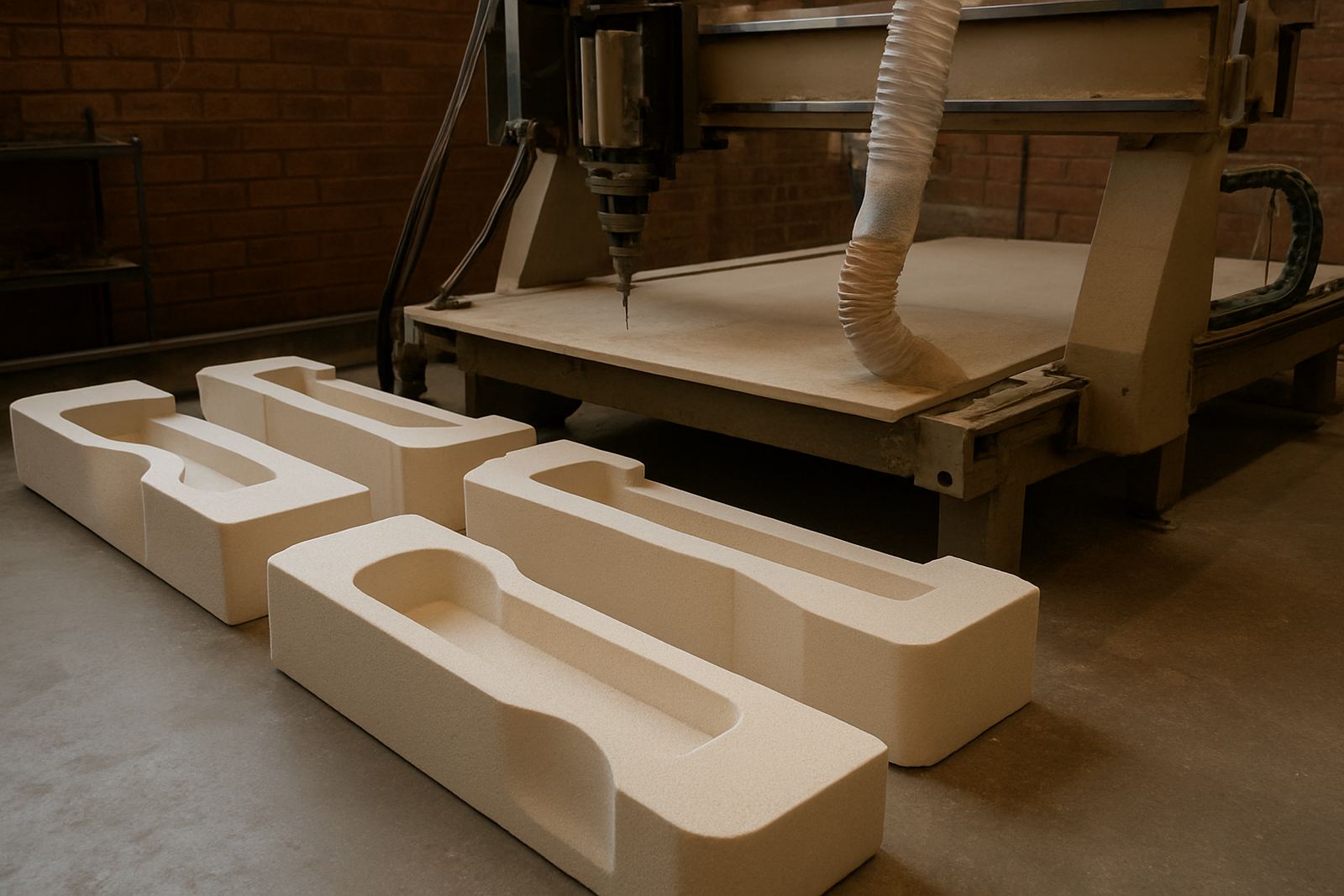
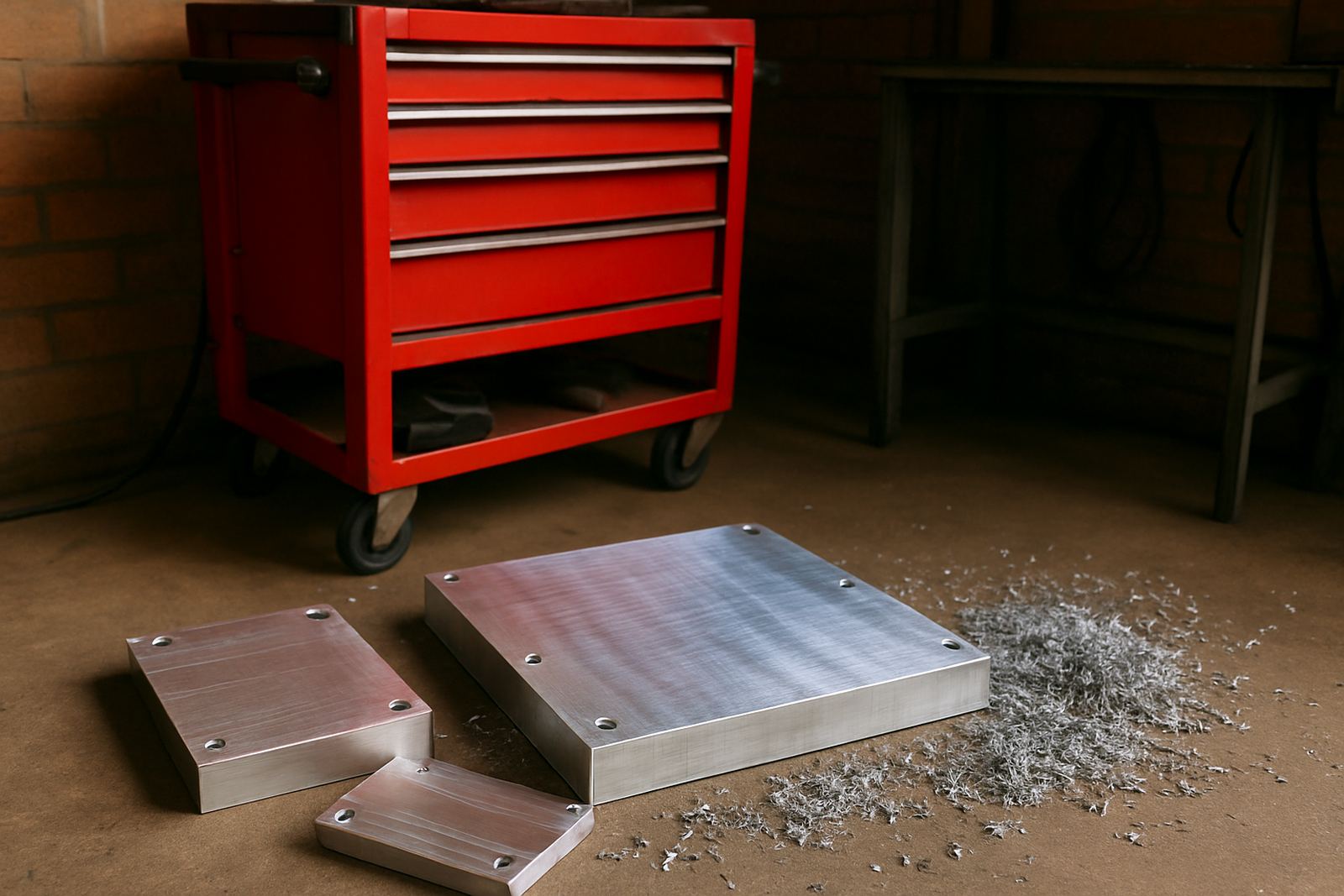
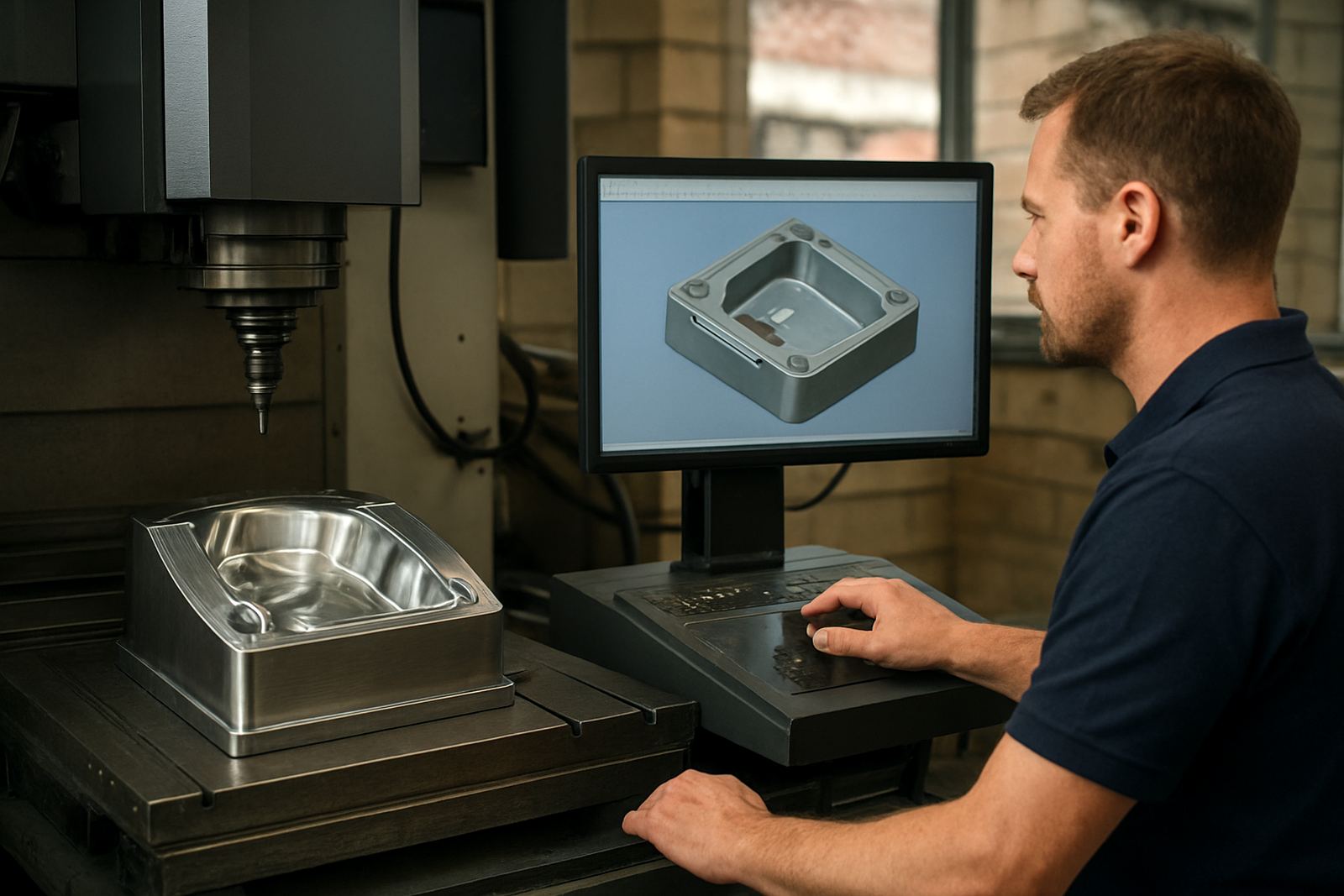
Mould shops often run a mix of older and newer machines. It is common to see a 3-axis vertical machining centre for general work, a smaller high-speed machine for detail features, and sometimes a turn-mill or wire process in the same workshop. Some shops also use a router for patterns or aluminium plates, especially where larger format work is involved.
- CAD/CAM licences for one or more programmers, with the right level for the type of work being done
- Custom post-processors for the control on each machine, including safe start-up lines and tool-change logic
- In-house tool libraries for standard cutters, ball noses, tapered tools and probing routines
- Training for operators, programmers and owners so the shop does not rely on one person only
- First job support when a new machine or new process is being brought into production
On mould tooling, the post-processor matters as much as the toolpath. If the machine expects a different format for work offsets, canned cycles or spindle commands, the shop can lose hours on edits. We build and tune posts to suit the machine, the controller and the way the team actually works.
Layout and planning advice for cleaner output
Most mould shops do better when the programming station, machine area and inspection area are set out for quick handover. The programmer should be able to verify the setup, check the model revision and pass the job to the operator without walking back and forth all day. In a busy workshop, that saves time and reduces errors, especially when the load-shedding schedule interrupts the day and the team has to restart work carefully.
For shops near the coast, especially around Durban and Cape Town, humidity can affect stored tooling, machine tables and electronics cabinets. That means planning should include dry storage for cutters, regular cleaning of machine enclosures and clear backup routines for part programmes and setup sheets. In Gauteng, dust and long operating hours create a different problem, so the software workflow needs to be backed by disciplined file naming and revision control.
We usually advise mould shops to separate new development work from repeat production wherever possible. When the team is trying to finish a mould set and also prove out a new insert, the risk of mixing revisions goes up. A simple workflow with clear folders, approved post settings and standard machine sheets usually pays for itself quickly.
Common mistakes that cost time and finish quality
The most common mistake is treating every job as if it can use the same post and the same cutter strategy. Mould cavities often need different approaches depending on depth, material hardness and finish level. A roughing programme that is too aggressive will leave excess stock in corners, while a finishing pass that is too heavy can mark the surface and force extra polishing.
- Using one generic post for every machine, then editing code at the control
- Skipping operator training and assuming the machine will compensate for setup errors
- Not checking tool length offsets after power interruptions or shift changes
- Leaving too much stock for finishing, which increases polishing time
- Running outdated tool libraries with wrong diameters or flute lengths
Another common issue is poor communication between design and the shop floor. If the mould drawing changes after programming starts, the last saved version must be obvious. Otherwise the workshop ends up cutting old geometry and the mistake only appears at assembly. We help teams build a simple approval routine so everyone knows which file is current.
Budget ranges in Rand for software and support
For a mould shop, budget depends on how many programmers, machines and shifts are involved. A single-seat CAD/CAM licence for a smaller shop can start from around R45 000 to R120 000, depending on the module set and the type of work. If you need multiple seats, custom post-processors and setup help, the first year can range from about R80 000 to R250 000 or more.
Custom post-processors are often a worthwhile spend because they reduce downtime and operator edits. Simple post tuning may be a smaller cost, while a full machine onboarding project with training, verification and first job support will usually sit higher. Annual support plans are often chosen by shops that want predictable help when a machine is down or a new operator joins.
Training budgets also vary. A one-day on-site session for operators or programmers is usually far cheaper than losing a production day to bad code or a poor setup. If you are running high-value mould tools, the cost of one scrapped cavity or a delayed delivery can exceed the cost of proper setup support very quickly. In many shops, the real saving is not licence cost, it is fewer mistakes and less rework.
How our team supports mould shops across South Africa
Our Centurion base supports mould shops across Pretoria, Johannesburg, Vereeniging, Durban, Cape Town and the East Rand and West Rand. The work is handled by a team that includes applications, post-process, training and technical support staff, so the shop does not have to repeat the same issue to different people. We help with licence installation, machine onboarding, custom post-processors, workflow audits and hands-on training on site or remotely where practical.
For mould work, support often starts with a first job review. We check the machine, the material, the cutter library and the output file before the first cut. If needed, we stay with the shop through the first part proving process so the team can carry on with confidence. That is especially useful when a business is setting up a new machine or switching from manual edits to proper post output.
If your workshop is busy with cavities, inserts and trim tools, the goal is simple: fewer surprises, cleaner surfaces and a repeatable way to get from model to machine. Clients reach us through the enquiry form on our contact page, and we then match the right support to the job at hand.