What the Alrode team needed from the software
The client is a steel processing and profile cutting operation in Alrode, serving fabrication work for Gauteng buyers who need reliable turnaround and consistent edge quality. Their shop was running thicker mild steel plate, with jobs ranging from one-off repair parts to repeated production runs, and they needed software output that matched the machine behaviour on the floor rather than just the drawing on screen.
The brief was straightforward. They wanted cleaner pierces, better lead-ins, fewer missed starts and a post-processor that produced code their operators could trust on shift work. The team also wanted less rework after power interruptions, because load-shedding had already cost them time on job recovery and some rough starts on first cuts.
They were not looking for a full system change. They needed better output from what was already in place, plus hands-on training that could be used by both programmers and machine operators. That meant practical settings, not theory, and instructions the team could follow when the workshop was busy and the phone was ringing.
Working around thick plate, heat and start quality
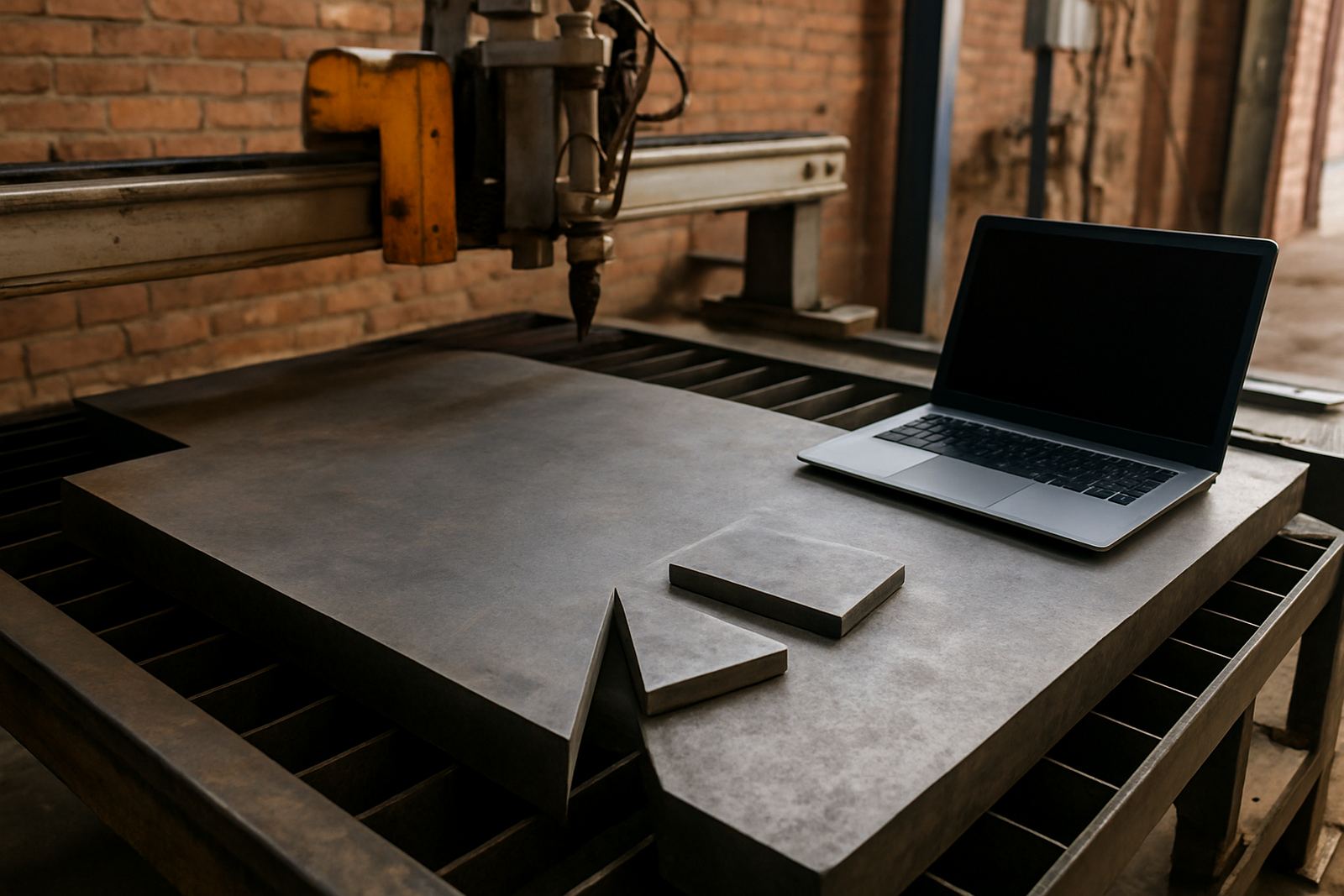
Thicker plate changes everything. Kerf width, torch delay, pierce height and cut order all matter, especially when the plate is heavier than 10 mm and the job has tight internal features. In Alrode, where many shops work with hot material, dust and long shifts, the aim was to reduce edge dross and improve the first 50 mm of each cut, because that is where the worst defects usually show up.
We reviewed the machine setup, the cutting sequence and the existing post output. The focus was on how the control read the code, how the machine handled arcs, and where the operator had to intervene. The shop also needed cleaner motion into and out of corners, so the post and profile settings had to suit the actual machine behaviour, not just the nominal cutting data.
- Plate thickness range covered during tuning: 8 mm to 25 mm
- Primary cut type: profile cutting for flat plate nesting
- Common issues: rough pierces, delayed starts, and extra grinding after cut
- Operating reality: power interruptions, shift handovers and humid conditions from stored plate
What we supplied and adjusted
We supplied custom post-processors, post tuning and licence support for the software environment they were already using. Tiaan handled the post logic and code output, while Ompha checked the application setup against the machine process. Farieda supported the technical side of the rollout, and Phenyo coordinated the training schedule around production slots so the team did not lose a full day of cutting.
The post work covered lead-ins, lead-outs, pierce delays, safe heights and cleaner start positions. We also adjusted the toolpath behaviour for thicker plate so the torch did not waste time on unnecessary moves. For the operator side, we added job handling steps for stop-start work, manual recovery after outages, and a simple process for checking the first piece before releasing a batch.
- Custom post-processor setup for the plate cutting machine
- Post tuning for pierce timing, arc start and cut sequence
- Licence installation and workstation checks
- Operator training for job loading, recovery and first piece checks
- Remote troubleshooting support during the first production week
Training the crew on the floor, not in a classroom
Training was done on site in Alrode over two weeks, with short sessions that fit around production. The first week focused on setup, posting jobs and understanding the changes to the cutting cycle. The second week covered handling repeat work, checking for start quality and making small decisions when plate condition or material thickness changed during the day.
We worked with both programmers and machine operators. Programmers needed to know how the post was building code and what to do when a drawing called for a different cut order. Operators needed clear steps for loading jobs, checking zero points, managing pierce failures and confirming that the first part was acceptable before carrying on. There was a fair amount of back and forth, which helped because the shop had a mix of experienced staff and newer hands on the controls.
The team also asked about training during future shift changes, so we set out a practical handover method. That way, if someone comes in after lunch or after night shift, the next person can see what changed on the previous job without guessing.
Results after the first production run
By the end of the second week, the shop was cutting thicker plate with better consistency and less cleanup at the start of each profile. The most visible change was cleaner pierces on repeated jobs, followed by fewer interruptions when a piece needed to be restarted after a pause or a brief power issue. The operators also reported less grinding on corners and fewer awkward hand corrections.
The client was not expecting miracles. What they wanted was control, repeatability and a code set that did not force them to babysit every job. That is what changed. The plate shop could now run more confidently on regular batches, and the programmers had a better base for future work because the post matched the machine more closely.
- Cleaner starts on thicker plate jobs
- Less post-cut grinding and edge cleanup
- Better repeatability across shift changes
- Fewer delays after outages and machine pauses
What we would repeat on the next plate shop job
On another plate-shop rollout like this, CNC Software would still start at the machine, adjust the post after that, and train operators before the first production run.: check the machine first, tune the post second and train the operators before the first production run. That order matters because software changes only work properly when the shop understands why the settings were changed and how to keep them consistent.
For plate shops in Gauteng, especially where humidity, dust and load-shedding all play a part, we would again recommend a clear first-piece routine and a simple recovery process for interrupted jobs. We would also keep the support close during the first week of production, because that is when the small issues show up. Once those are sorted, the software becomes part of the daily rhythm rather than a source of confusion.
In this Alrode project, the combination of custom post tuning, practical training and direct support gave the team a better working setup for thicker plate and cleaner starts, without asking them to replace the machines or change their whole way of working.
Project snapshot for the shop floor
This project was completed over two weeks, with the first week used for setup, post review and initial training, and the second week used for live support on production jobs. The work was handled from our Centurion base with on-site support in Alrode and remote follow-up where needed. The result was a steadier cutting process that fit the pace of a real workshop.
The same approach suits plate cutting shops that need practical software support rather than broad promises. When the machine, the post and the operator all line up, the job moves faster and the scrap bin stays a bit lighter.
Key facts
| Project type | Profile cutting software and post tuning |
|---|---|
| Client location | Alrode, Gauteng |
| Shop focus | Thicker plate cutting and cleaner starts |
| Materials covered | Mild steel plate from 8 mm to 25 mm |
| Delivery timeline | 2 weeks |
| Support supplied | Custom post-processors, training and first job support |