
The Brief from a Vereeniging Timber Shop
The client was a small to mid-sized furniture shop in Vereeniging making cabinets, shelving and fitted components for local residential and light commercial work. Their main pain point was time: quoting took too long, nested sheets were being handled manually, and the router operator was spending too much time checking part order, sheet use and tool changes by hand.
They wanted a practical setup for router work that would suit day to day production, not something complicated that only one person could run. The shop also needed to protect against downtime when load-shedding hit, because if the machine was stopped mid job the team still had to know exactly where every part sat on the sheet and how to restart without wasting material.
The brief was straightforward: improve CNC routing output for timber furniture components, reduce setup mistakes, and make quoting faster by using a repeatable nesting and toolpath process. They also asked for support that their production staff could understand, not just the programmer.
Constraints on the Floor and in the Office
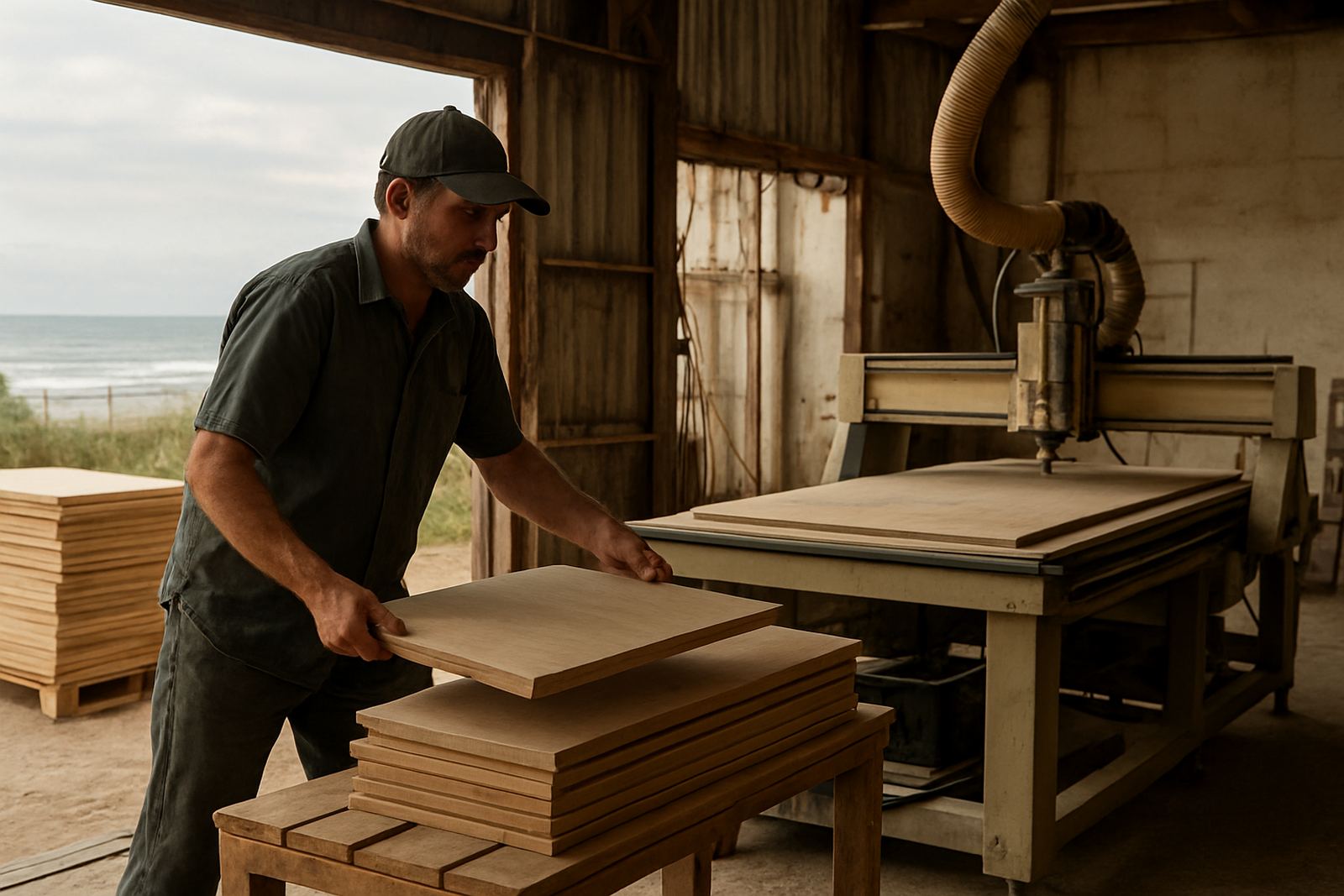
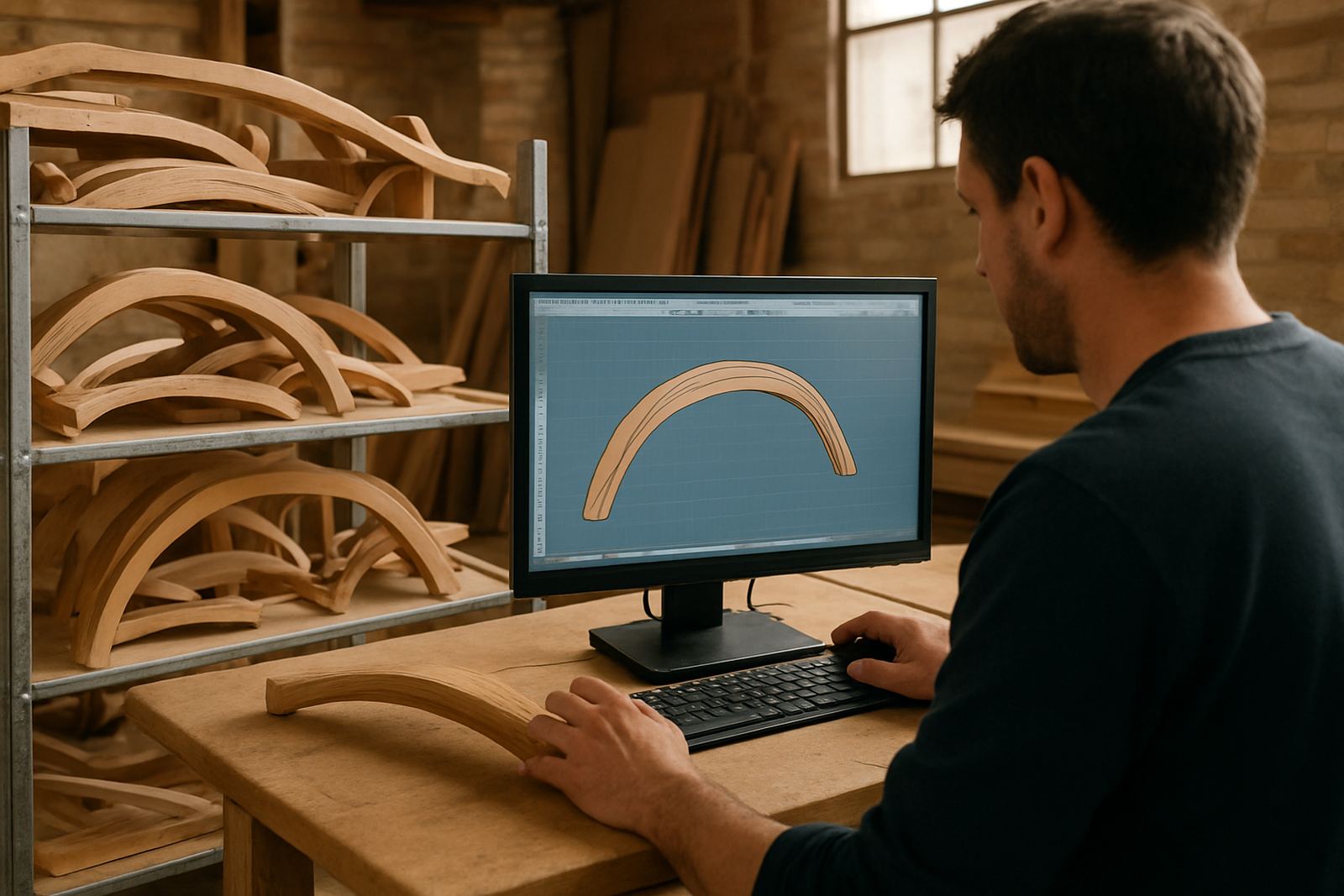
The biggest constraint was shop-floor consistency. The machine ran a mix of sheet goods and solid timber parts, with different thicknesses and grain direction to manage. On a busy week the team would switch between carcass parts, door panels and trim pieces, so the setup had to be flexible without becoming messy. Coastal humidity was not the issue in Vereeniging, but dust and heat still affected how the material behaved and how carefully the toolpaths had to be planned.
There was also a practical quoting problem. The office needed clearer pricing for common jobs, especially when a client asked for a small change in panel count or dimensions. Before the project, each change meant extra manual checks and that slowed quoting. The shop could not afford a long learning curve either, as only a few staff members were involved in programming and machine setup.
- Sheet size used on the job: 2440 x 1220 mm
- Main material types: melamine board, MDF and pine components
- Machine use: 3 axis CNC router for nested cutting and profiling
- Need for quick restart after interruptions and power cuts
What We Supplied and Set Up
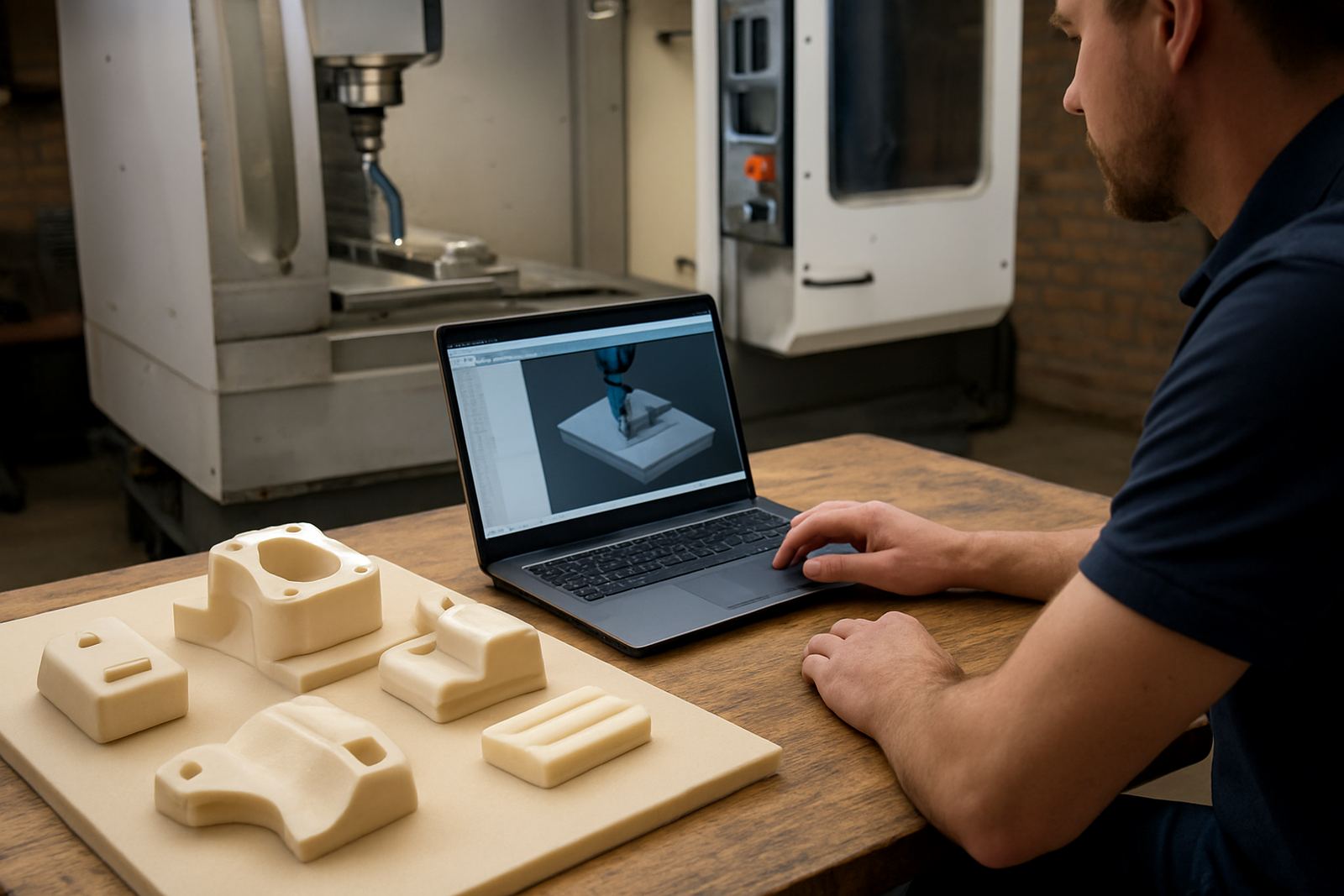
We supplied the CNC software licence needed for router nesting work and configured the workflow around the shop's actual parts, not a generic template. That included organising the tool library, setting up common feeds and speeds, and building the output structure so the operator could move from drawing to cutting with fewer manual steps. Tiaan handled the post-processor side and tuned the output for the router controller in use.
We also helped with nesting support so the team could place components more efficiently on standard sheets. The aim was to improve material use and cut down on offcuts, while still leaving enough margin for safe machining and clean edge quality. The machine onboarding stage included testing with sample sheets, checking toolpaths and making sure the post was producing code the router would read reliably.
- Licence installation and activation on the office workstation
- Custom post-processor setup for the shop's router controller
- Tool library build for common cutters and drill tools
- Test output on live parts before production sign-off
Training for Quoting, Nesting and Production
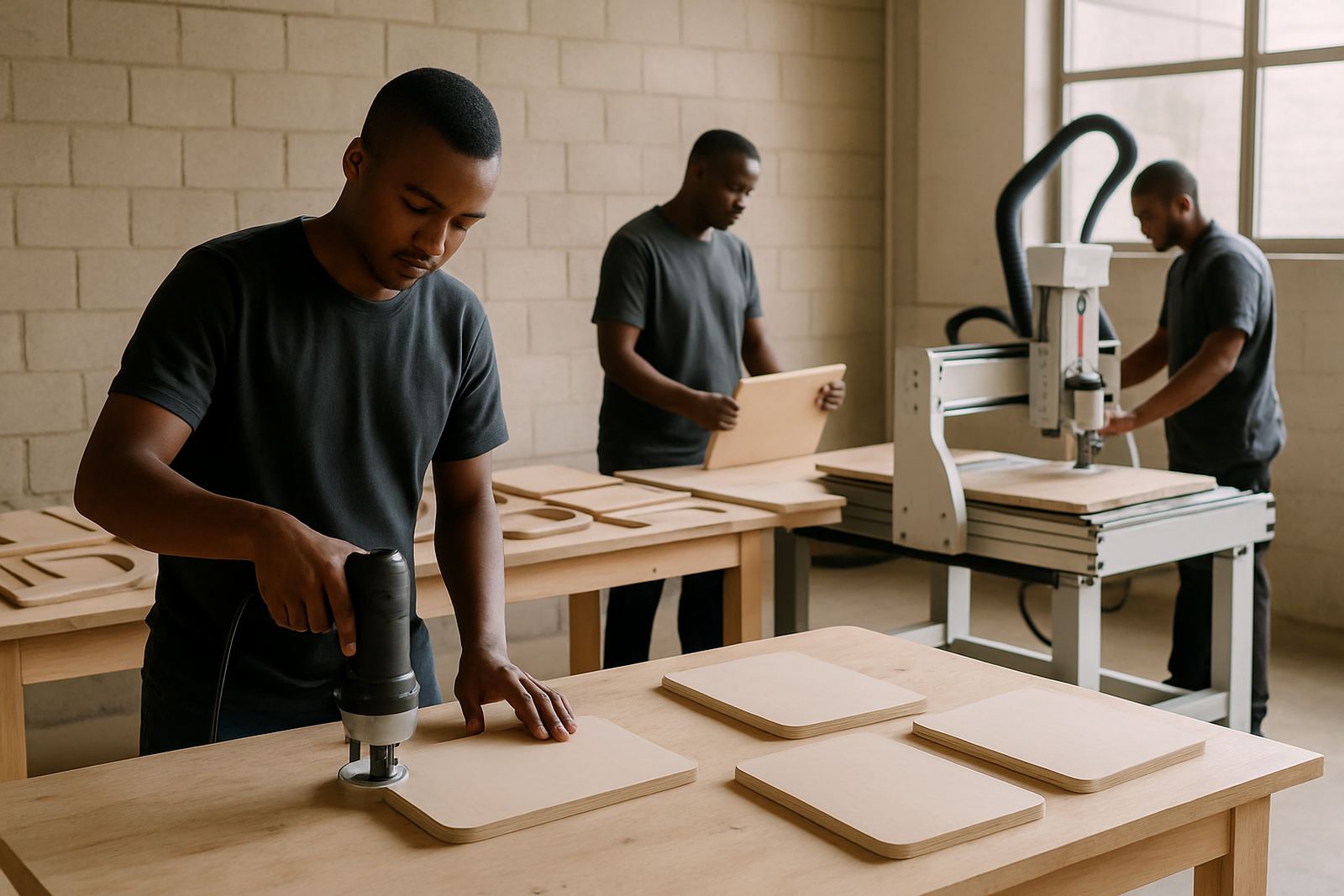
The training was split into clear sessions so the owner, programmer and machine operator each got what they needed. The owner training focused on how to check quoted time, material use and machine load. Programmer training covered nesting rules, part orientation, tool changes and what to look for when a file needed correction. Operator training covered loading sheets, checking the first cut and handling a restart if production was interrupted.
Because the shop wanted faster quoting, we also showed them how to reuse part data across repeat jobs. That helped them build a more accurate pricing method for cabinet work and standard panels. A few simple process changes made a big difference, and the team picked it up quickly. There was one late afternoon session where load-shedding forced a pause, but that actually helped demonstrate how to save a job properly and recover it without redoing the whole nest.
- Owner training for quoting checks and job approval
- Programmer training for nesting, labels and tool order
- Operator training for first job support and restart steps
- Remote troubleshooting for post and file checks after installation
Timeline, Support and Handover
The project ran over three weeks from initial intake to final handover. Week one covered licence installation, part review and the first post-processor checks. Week two was for nesting setup, sample runs and tool library adjustments. Week three focused on live production support, correcting small issues and confirming that the team could keep moving without daily handholding.
Farieda managed the support side while Ompha and Mthunzi handled implementation detail and follow-up checks. The handover included a simple workflow guide for the shop's team, plus a clear escalation path if they hit a file issue later on. We did not overcomplicate the process. The point was to keep the system usable on a normal production day, even when staff were under pressure and the phones were ringing.
The result was a smoother transfer from design to cutting, with fewer mistakes on sheet layout and less time spent redoing jobs. The client could quote faster, use material more efficiently, and keep the router busy with a more predictable workflow.
Results the Shop Could Measure
By the end of the project the shop had a more controlled nest layout, better repeatability, and a quicker way to answer quote requests. They were also more confident about starting a job after a power interruption, which matters in South Africa where downtime can happen at the worst moment. The operator no longer had to guess where a part belonged, and the programmer had a cleaner base for future work.
The improvements were practical rather than flashy. Less wasted board, fewer manual corrections, and a better rhythm between office and machine. That kind of change is often what makes a small shop stronger. Pieter Johannes van der Merwe oversaw the project direction, while the team kept the support focused on what the client actually needed day to day.
- Quoting became faster for repeat cabinet and panel jobs
- Sheet use improved because nesting was set up properly
- Operator confidence improved on first-run and restart jobs
- Production delays were reduced on standard routing work
What We Would Do Again for a Similar Shop
For another furniture shop in Vereeniging, Pretoria or Johannesburg, we would follow the same approach: start with the machine, the parts and the people who actually run the job. We would again keep the tool library tight, tune the post to the controller in use, and train the team in small steps instead of throwing everything at them at once. That makes the change stick.
We would also insist on a proper first-job check before full production starts. A careful test sheet saves time later, and in most shops it avoids waste that would cost far more than the setup itself. If the client is doing regular panel work, we would recommend an annual support plan as well so the workflow stays current when tools, operators or jobs change.
The best outcome is when the shop can quote, nest and cut without waiting on outside help every time. That is what this Vereeniging project gave them, and it is the same result we aim for on any router, milling or plasma setup that needs practical support.
Key facts
| Client type | Timber furniture shop in Vereeniging |
|---|---|
| Main need | Router licence and nesting support for cabinet components |
| Machine type | 3 axis CNC router |
| Sheet size | 2440 x 1220 mm |
| Timeline | 3 weeks from setup to handover |
| Key outcome | Faster quoting and cleaner sheet usage |