What the Germiston shop needed from day one
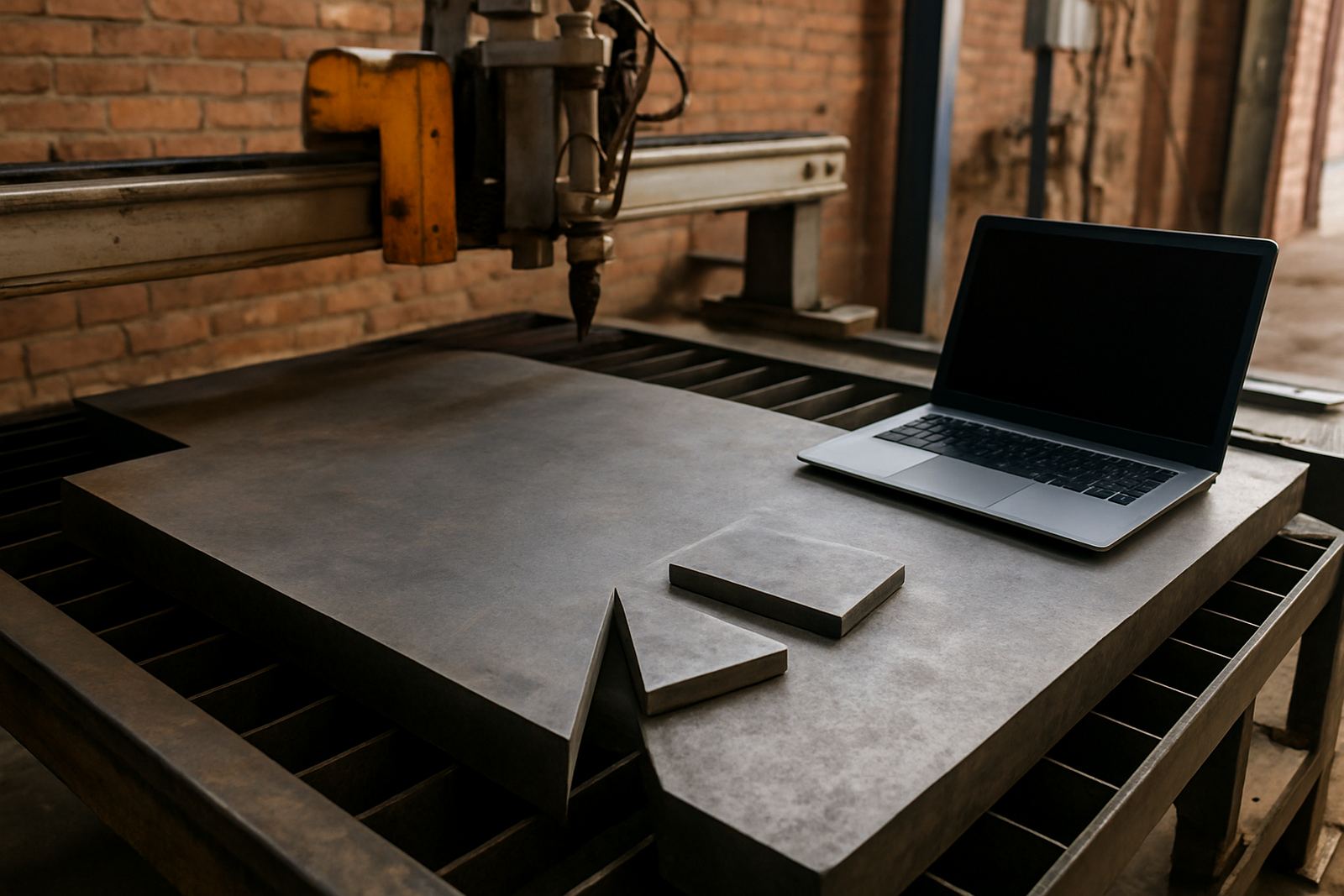
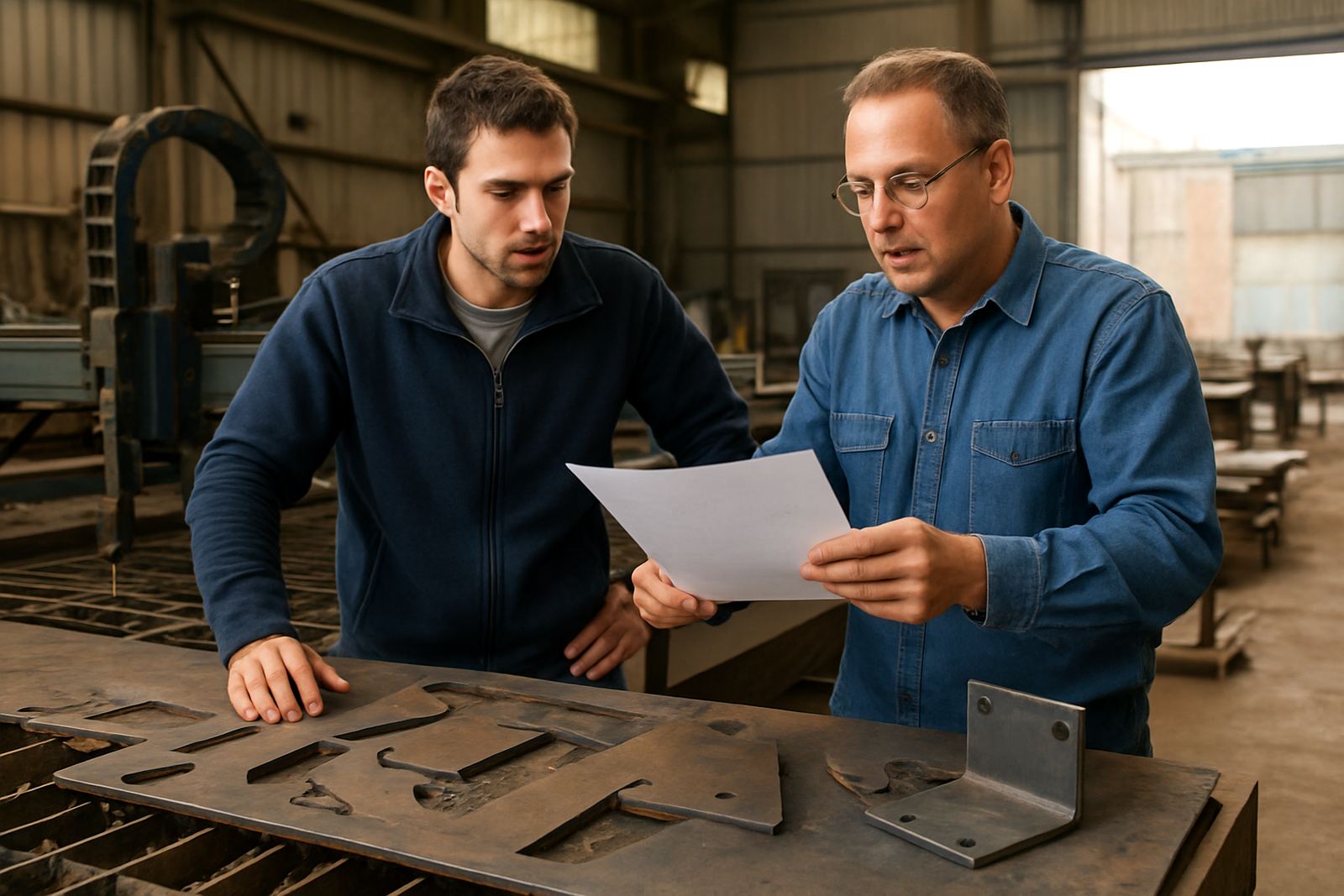
The client was a general fabrication and plate cutting shop in Germiston, serving local manufacturers, maintenance teams and contractors across Ekurhuleni. Their plasma table was running, but the job flow was messy: files arrived in different formats, nests were being adjusted by hand, and operators were spending too much time checking paths before every cut. On busy weeks that meant wasted plate, slower turnaround and avoidable rework.
The brief was straight forward. They wanted a reliable CAD/CAM setup for plasma nesting, a post-processor matched to their machine, and training that would get the team working from the same method rather than each operator doing things their own way. They also asked for support around repeat jobs because many of their orders are small batches and reorders, where speed matters just as much as accuracy.
- Client type: metal fabrication and plasma cutting shop
- Town: Germiston, Gauteng
- Primary focus: plate nesting, repeat jobs and machine-ready output
- Main pain points: plate waste, file cleanup, slow setup times
The constraints on site and in the workflow
The biggest constraint was not the machine itself, it was the mix of jobs and how they were being handled. Some parts were simple brackets, others were irregular profiles with internal cuts, holes and shared edges. The shop also had to work around load-shedding and keep production moving when power returned, so the setup had to be practical, quick to recover and easy for the operators to trust.
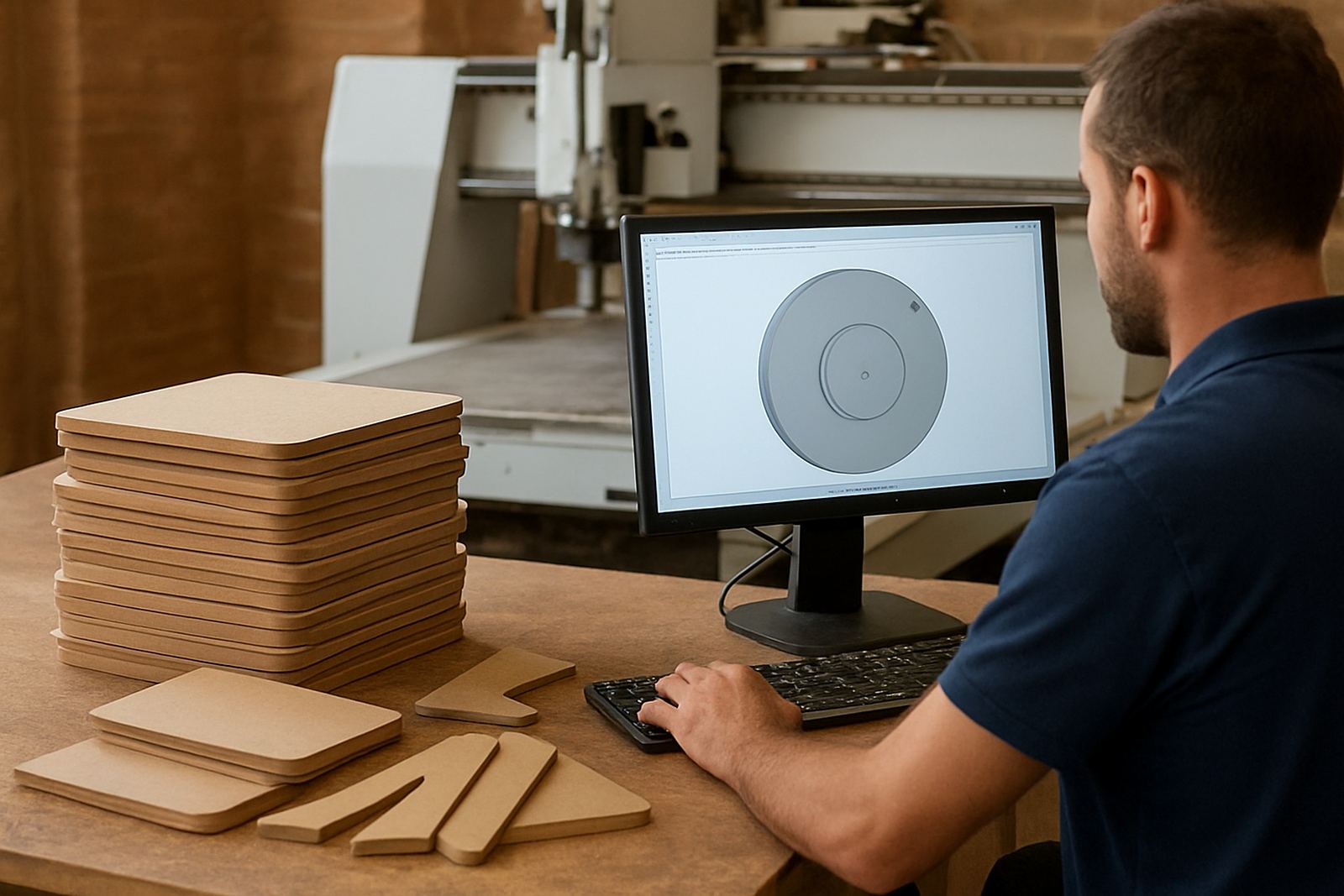
Because the team cuts on plate from local suppliers in standard sheet sizes, every millimetre counted. The shop wanted better nesting on common plate sizes, cleaner lead-ins, and fewer damaged starts on parts with fine detail. We also had to keep the workflow simple enough for new staff to pick up without slowing the floor down. That meant careful machine settings, proper tool behaviour, and a post that produced predictable code every time.
- Standard plate sizes were built into the nesting library
- Lead-in and lead-out settings were adjusted to reduce edge damage
- Power interruptions were factored into the recovery process
- The workflow had to suit both experienced and newer operators
What we supplied and set up
We supplied a CAD/CAM licence for plasma nesting, configured the machine output, and built a post-processor to suit the table and control format in use on site. Tiaan handled the post tuning, while Ompha worked on the application setup and nesting logic. Mthunzi assisted with implementation, and Phenyo planned the training sessions so the team could move from setup to production without dragging the change out for weeks.
We also helped the client build a proper tool and material library for common jobs. That included cut settings for different plate thicknesses, part naming rules, and a cleaner file structure for repeat orders. Farieda handled technical support during the changeover, so when the operators hit a snag on the first live nests they were not left guessing. The result was a practical setup that fit the way the shop already worked, but with far less manual correction.
- Licence installation and machine setup
- Custom post-processor development for the plasma table
- Material and thickness library build
- Part naming and folder structure for repeat jobs
- First job support on the shop floor
Training that got the whole team using one method
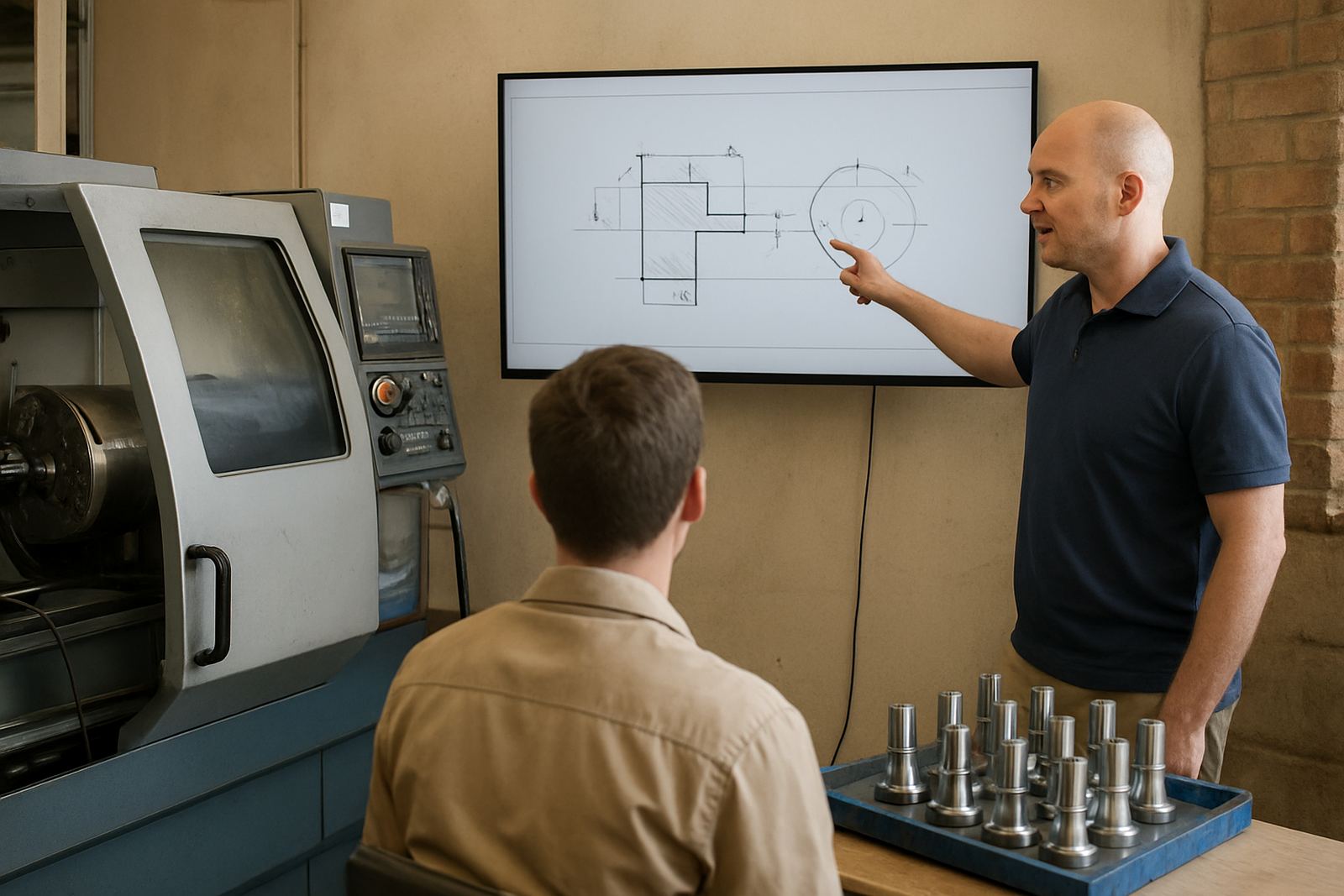
The training was split across operators, programmers and the owner. That way the people loading jobs, the people preparing nests, and the person signing off production all understood the same process. We covered importing geometry, cleaning up profiles, nesting parts efficiently, checking pierce points and saving output that matched the machine exactly. The owner also wanted visibility on where time was being lost, so we included practical workflow checks and a simple review of handoff steps.
Training was done over two weeks, with a mix of on-site sessions and follow-up remote support. The first week focused on setup and safe use. The second week focused on live jobs, repeat nesting and correcting common errors. We also covered how to deal with mixed file types from customers, which is a common issue in South African fabrication shops where jobs arrive from different designers and suppliers. A few small settings changes made a big differnce to repeatability.
- Operator training for loading, checking and cutting jobs
- Programmer training for nesting and output control
- Owner training for review points and production planning
- First job support until the team was comfortable
Timeline from first visit to live production
The full project took four weeks from initial assessment to steady production. Week one was the workflow review and machine check. Week two covered post setup and library building. Week three focused on training and test cuts. Week four was live use with remote troubleshooting and small adjustments based on what the operators were seeing at the machine.
That timeline worked well because the shop could keep producing while we made the changes. We did not stop their floor for days at a time. Instead, we fitted the setup around normal work, which is often the only sensible way for a busy Germiston fabricator to adopt new software without losing income. The client could keep taking repeat work while still improving the process behind the scenes.
- Week 1: workflow audit and machine review
- Week 2: licence installation and post tuning
- Week 3: training and test nests
- Week 4: live production support and adjustments
Results on plate use, repeat speed and confidence
The main result was a noticeable drop in plate waste because the nests were tighter and more consistent. Repeat jobs also moved faster because the team no longer had to rebuild the same setup each time or keep correcting output at the machine. Once the post and libraries were in place, the operators could trust the files coming out of the system, which cut down on hesitation and rework.
For the owner, the bigger gain was control. They could see the same job being set up the same way every time, which matters when you are quoting under pressure and trying to keep the workshop moving through load-shedding, short lead times and urgent maintenance work. The shop now has a cleaner base for future growth, whether that means more plasma work, more operators, or adding new part families later on.
- Less plate waste on common sheet sizes
- Faster setup for repeat orders
- Fewer corrections at the machine
- More consistent output across operators
Lessons we would carry into another Germiston fabrication shop
If we were doing the same job again for another Germiston fabricator, we would take the same approach: start with the workflow, match the post to the machine, then train the team on live jobs rather than theory alone. That order matters because it keeps the setup practical and reduces resistance from the floor. The more the software fits the shop, the quicker the payback.
We would also build the material library earlier and include more repeat-job examples during training. That saves time later and helps the operators make better decisions when a new order lands on a busy Monday morning. For shops handling plasma work in Gauteng, especially where scrap costs and turnaround times are both tight, that sort of groundwork pays for itself quickly.
If your shop in Germiston, Pretoria, Johannesburg or anywhere else in South Africa is fighting plate waste, awkward file handoffs or slow repeat nesting, we can help you set up a clearer process and keep it working.
Key facts
| Project location | Germiston, Gauteng |
|---|---|
| Client type | Metal fabrication and plasma cutting shop |
| Project duration | 4 weeks |
| Core service | CAD/CAM plasma nesting setup |
| Key outcome | Reduced plate waste and faster repeat jobs |
| Support included | Licence installation, post tuning, training and first job support |