Why a real order beats a classroom example
When a team trains on a live job, they are not only learning buttons and menus. They are learning how a drawing becomes a cutter path, how material behaves on the day, and how small changes affect cycle time, finish and scrap. That is why live-job training often sticks better than a clean sample part with no pressure behind it.
In a workshop, the issues are rarely neat. Material may vary from batch to batch, a vacuum table may need cleaning, a spindle may have limited time after a power cut, and a coastal shop may need to watch for moisture in tooling and storage. A live job puts those realities into the lesson, so the team learns the exact habits that keep work moving.
- Operators see how one setup affects the next part
- Programmers learn to account for tool wear and feed changes
- Owners can judge where time is lost and where margins disappear
- Supervisors get a clearer view of what can be standardised
What our training looks like on the shop floor
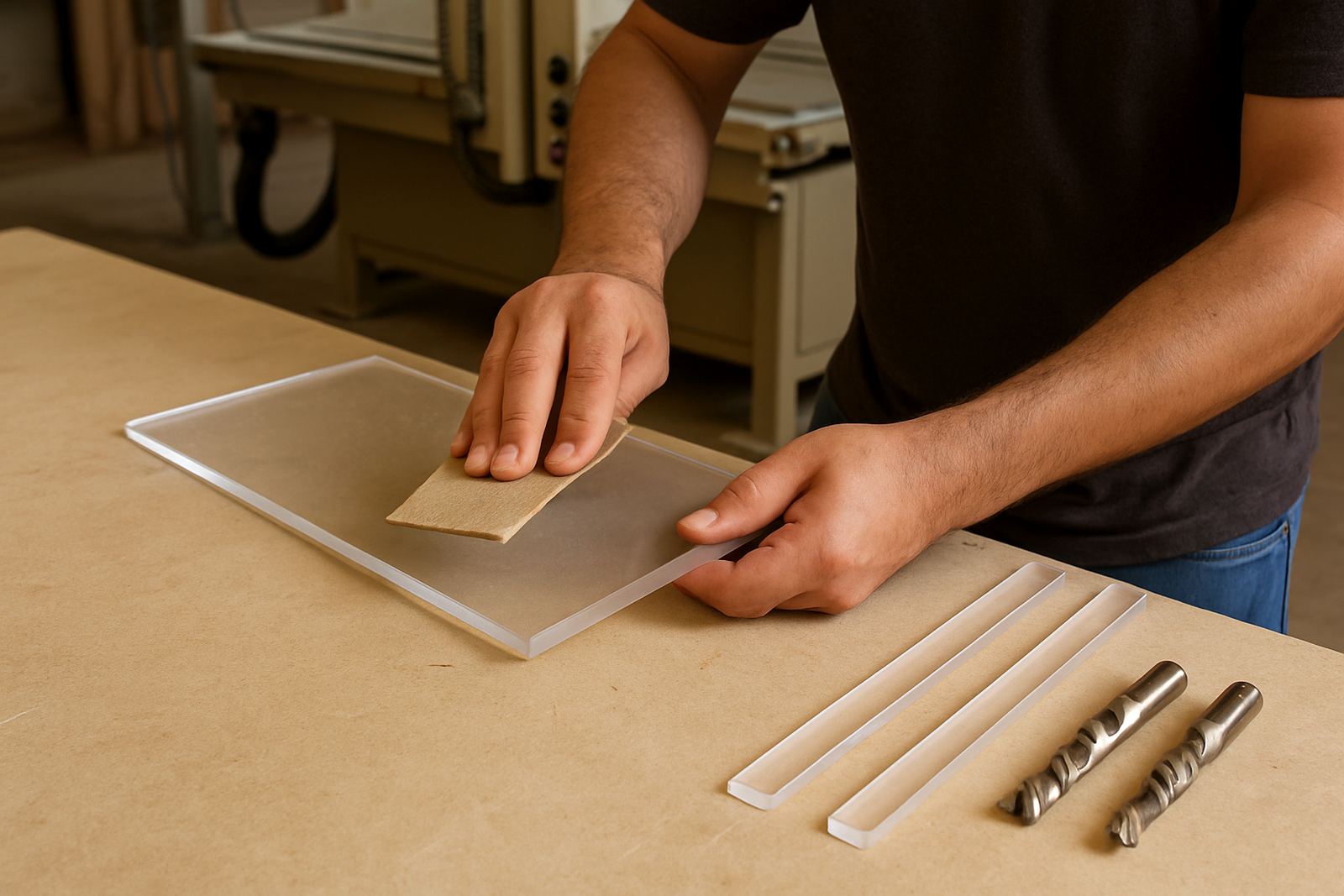
Live-job training works best when it is planned around a job that already matters to the business. It can be a routed panel, a milled bracket, a turned component or a plasma-cut plate set. The session is then built around the actual machine, the actual software licence and the actual production target. That means less theory and more useful decisions.
We start with the file, the tooling and the current process. From there, we review how the part is programmed, how the post-processor is set up and what the operator sees at machine level. If the shop is in Centurion, Pretoria or Johannesburg, we can work around a normal production day. For sites in Durban or Cape Town, we also factor in shift timing, coastal humidity and any machine downtime windows so the training causes as little interruption as possible.
- Job selection based on current production need
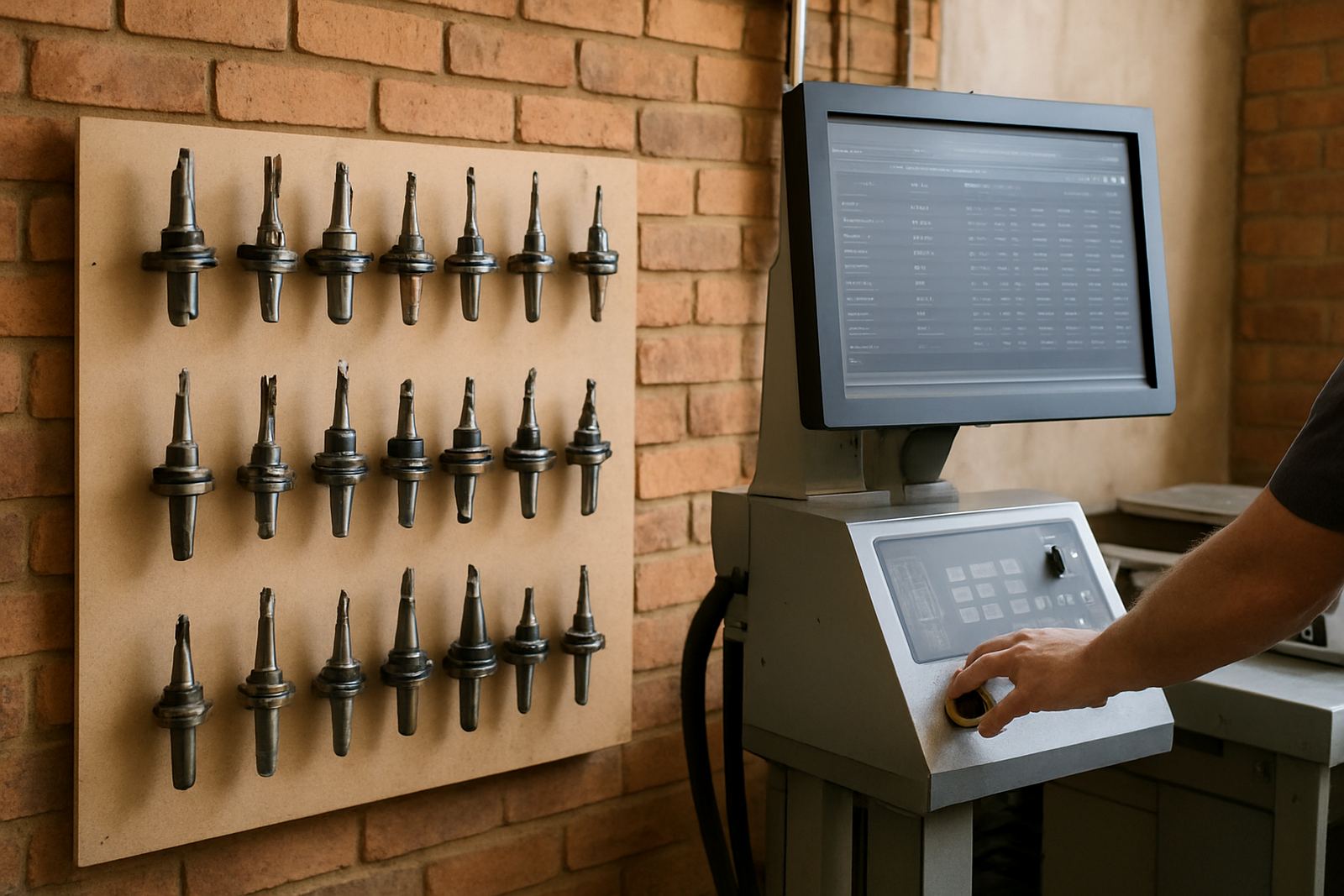
- Review of CAD/CAM setup and tool library use
- Post-processor checks before the first run
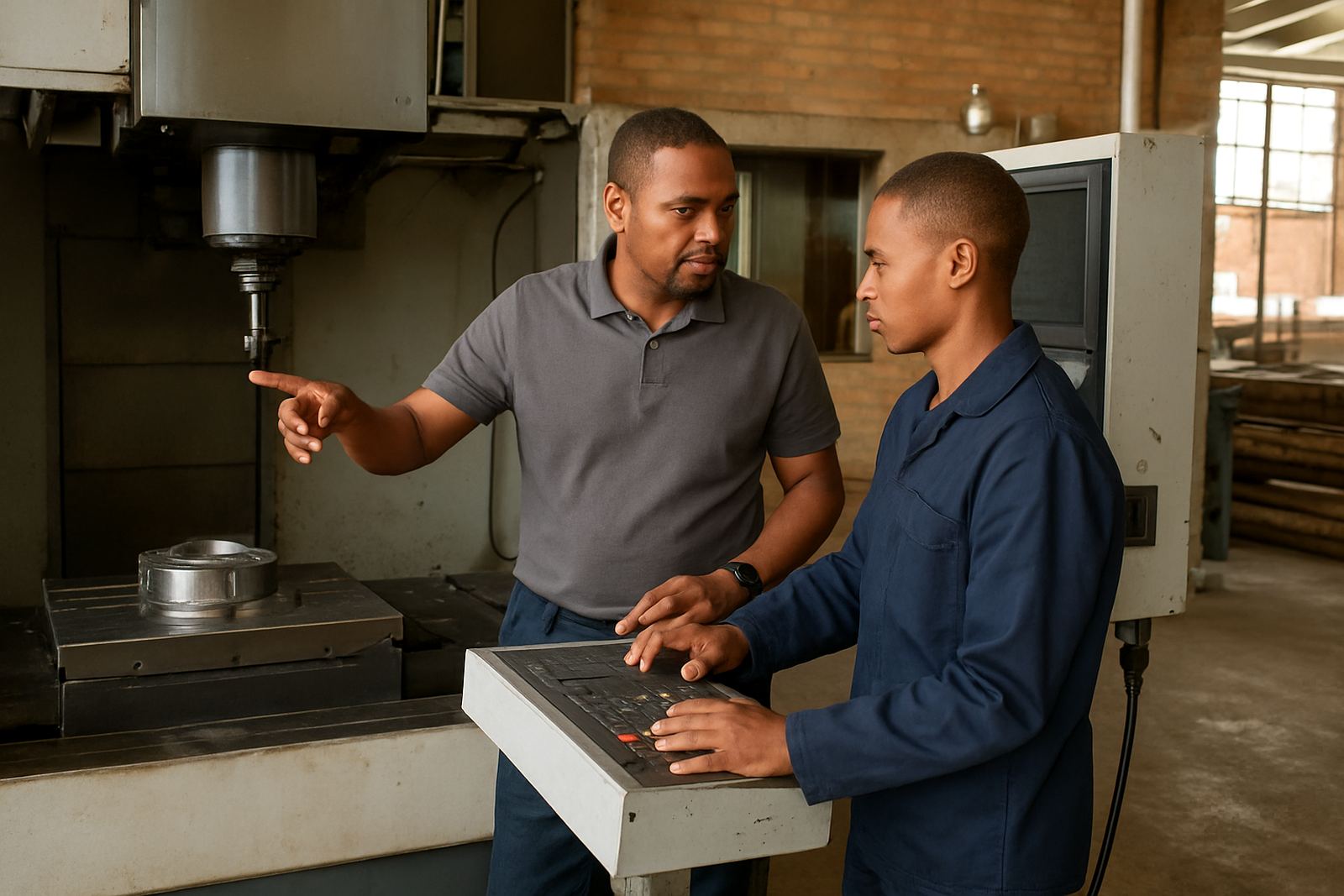
- Hands-on guidance at the control, not only on screen
The common mistakes live jobs help expose
Many workshops do not lose money on one big failure. They lose it in a string of smaller issues that keep repeating. A live job makes these visible very quickly. You may find that the post is outputting extra code, the tool library has inconsistent descriptions, or the operator is using workarounds that were never written down. Once those patterns are visible, they can be fixed.
Another common issue is a gap between the programmer and the person at the machine. The programmer may know the part well, but the operator is the one dealing with clamps, offsets and the first cut. Live-job training closes that gap. It also helps shops that run night shifts or work around load-shedding, because the team learns how to recover from interruptions without starting from scratch.
- Wrong feeds and speeds for the chosen material
- Tool path choices that add unnecessary cutting time
- Clash risks caused by poor stock setup
- Inconsistent file naming and version control
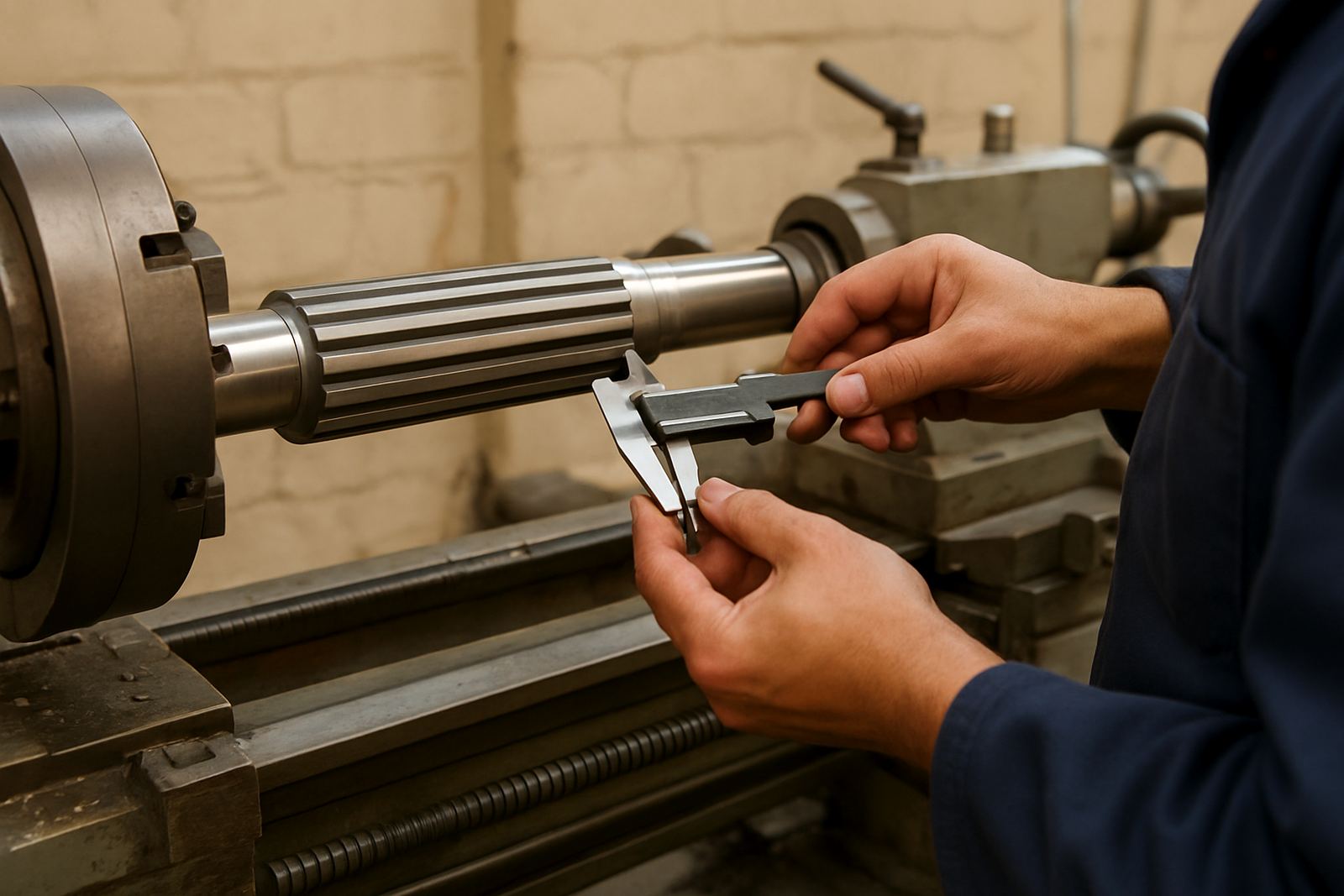
- First-piece errors that could have been caught earlier
How to choose the right job for training
Not every order is suitable for live training. The best candidate is important enough to matter, but not so urgent that nobody can pause for questions. A good job is usually one with repeat work, moderate complexity and enough value to justify a few careful checks. If the part is too simple, there is little to learn. If it is too risky, the team may rush through the lesson and miss the benefit.
We often suggest starting with a job that already has a known drawing, known material and a clear deadline. That gives the team confidence while still showing the real working process. In a Vereeniging or East Rand shop, where production schedules can be tight and every machine hour counts, this approach gives the best return on training time.
- Choose a part the shop already needs to complete
- Keep the first session focused on one machine and one process
- Use the actual material batch where possible
- Record the changes so the method can be repeated later
A local example from a mixed-production workshop
A mid-sized workshop in the Pretoria area needed help with a repeat aluminium part that was slowing down the milling machine. The programmer had a workable file, but the first part was taking too long and the operator was constantly checking the screen. We used the live order as the training job, then reviewed the tool library, the post output and the setup notes together with the team.
By the end of the session, the crew had a cleaner first-run process, fewer pauses at the machine and a better handover between programming and production. The shop did not stop work for a classroom lesson, and the staff could see the improvement on the same order they had to finish that week. That kind of visible result matters in South African manufacturing, where shops often have to balance municipal power constraints, client deadlines and staff who are learning on the job.
What shops gain after the training ends
The value of live-job training is not only the one part that gets completed. It is the repeatability that comes after. Once a team has worked through a real order with guidance, they usually understand how to approach the next one with less hesitation. That can mean fewer scrapped blanks, faster machine set-up and better confidence when a new operator joins the team.
For shops across Centurion, Johannesburg, Durban, Cape Town and beyond, the best outcome is a crew that knows how to handle the next real job without guessing. With the right licence, post-processor and support in place, the training becomes part of day-to-day production rather than a once-off event.
- Better first-piece quality
- Less time lost to trial and error
- Clearer procedures for operators and programmers
- Improved use of software, tooling and machine time
If your shop is ready to train on the work that actually pays the bills, start with the enquiry form on our contact page. We can look at the machine, the process and the job you want to complete, then plan the training around your production needs.