
What rest machining actually does on a CNC job
Rest machining is simply the follow-up pass that targets the material left behind after a roughing tool has done the heavy lifting. Instead of sending the same cutter back over the whole part, the CAM system identifies the pockets, corners and narrow radii where stock still remains and sends a smaller tool there only.
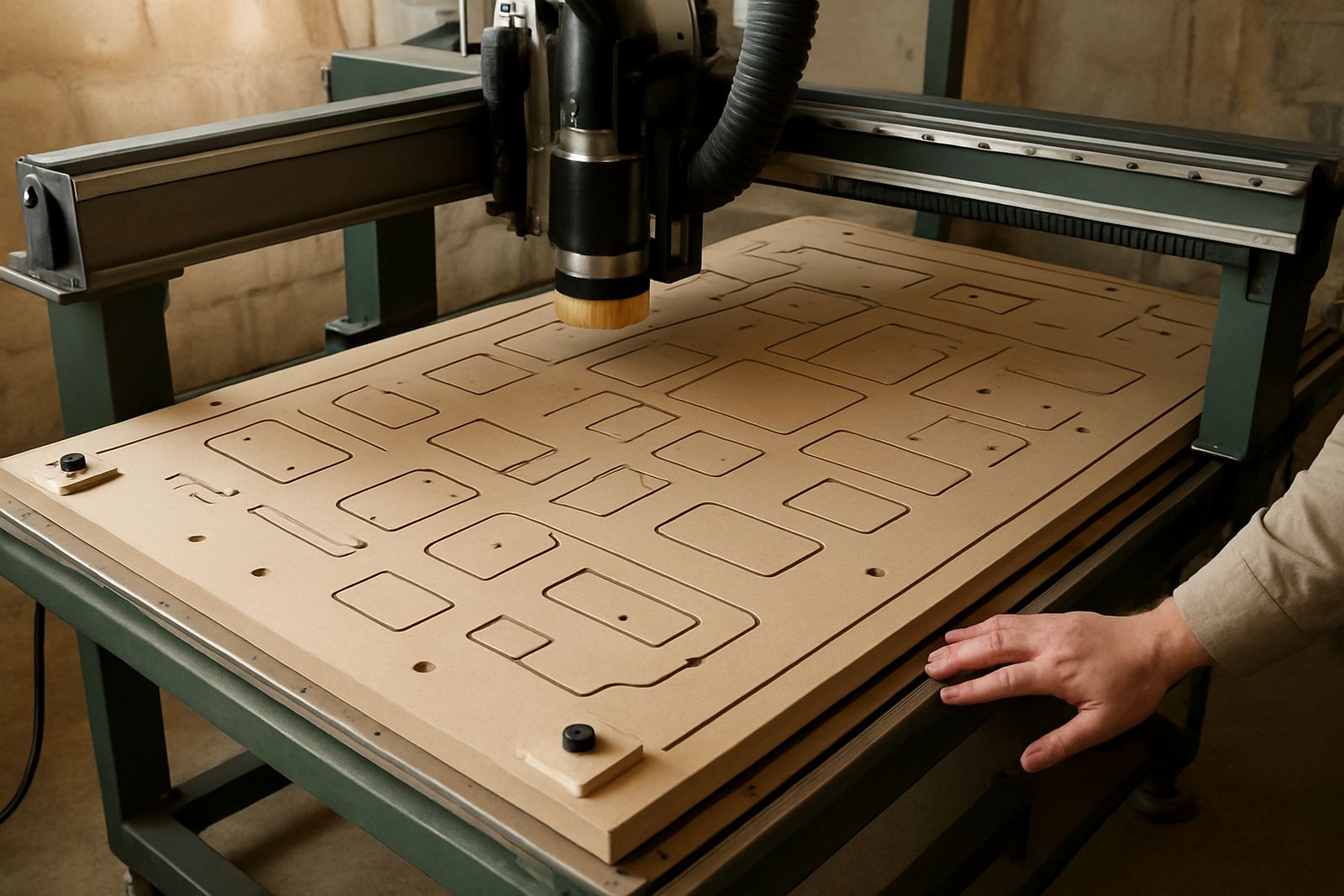
That matters in South African workshops where spindle hours add up fast. If you are running a 6 mm end mill over a cavity that could have been cleared with a 12 mm cutter first, you are paying for unnecessary time, extra tool wear and more heat. On aluminium, MDF, mild steel or plastic, the savings are easy to see once the toolpaths are set up properly.
The idea is not to make the program clever for the sake of it. The aim is to leave a predictable amount of material after roughing, then remove it with the next tool in line. Done right, the cutter load is steadier and the finish passes become shorter. In a busy shop in Centurion or Pretoria, that can mean one more job out the door before knock-off, and less pressure when load-shedding interrupts the day.
Where leftover stock usually hides
Most shops first notice rest material in inside corners, undercut areas and around small fillets. A larger cutter can only get so close to a wall before the holder, shank or cutter diameter gets in the way. That leaves a ridge or sliver that must be removed by a smaller tool.
Typical trouble spots include:
- Deep pockets with tight internal corners
- Raised bosses beside narrow slots
- Stepped parts where tools of different diameters are used
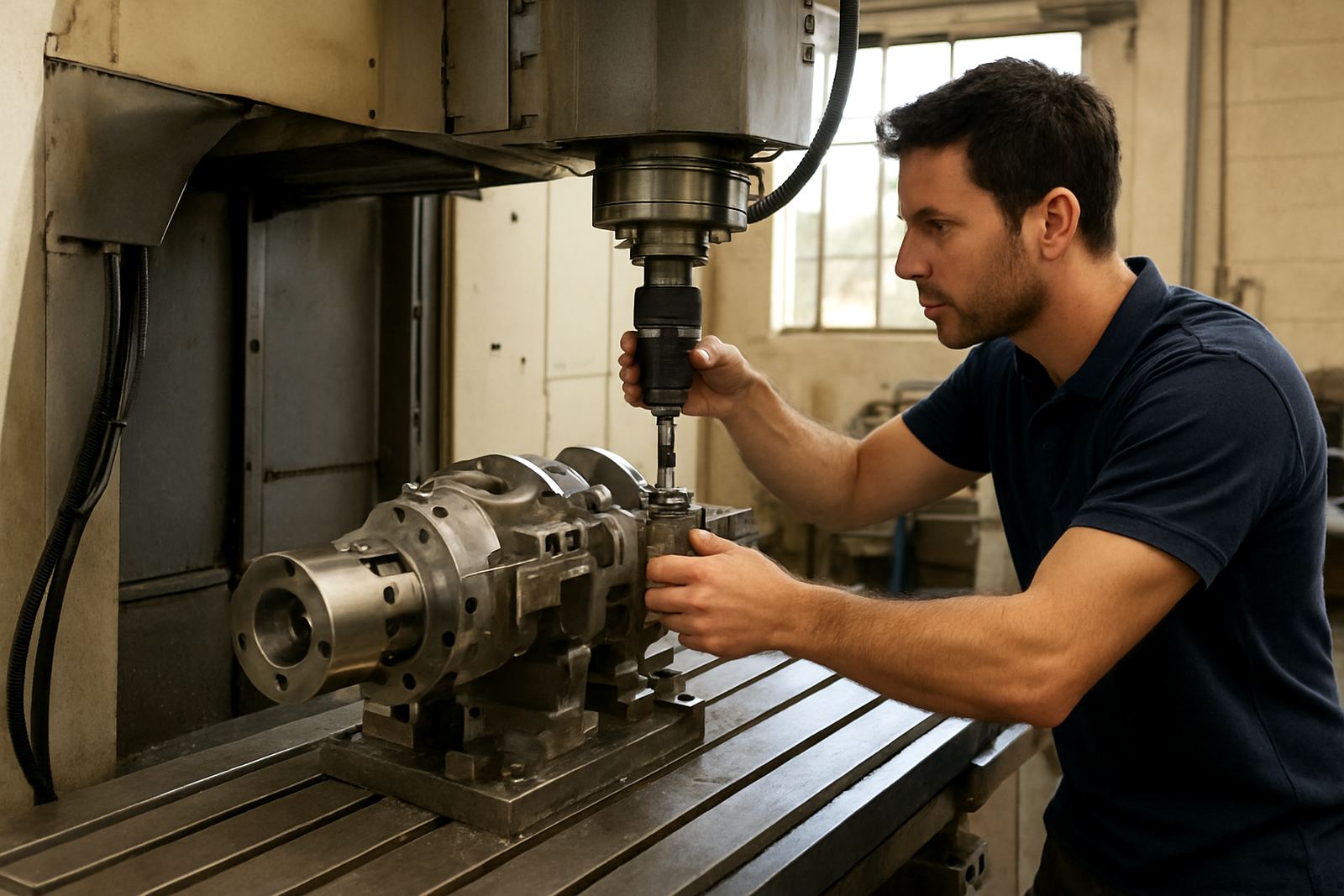
- Lathe jobs with grooves, shoulders and small radii
- Plasma cut parts that need a final clean-up pass before assembly
If you know where these areas are, you can plan the sequence better from the start. That means the roughing tool can stay aggressive, while the finishing tool only works where it is actually needed. It is a simple habit but many shops still waste time by treating every area the same.
How to set it up so the machine does not waste time
The first step is to define the tool sizes and the stock left by each roughing operation. If the previous tool leaves 0.5 mm on the wall and 0.2 mm on the floor, the rest toolpath must understand that gap. If those values are wrong, the machine may skip areas it should cut or recut material that is already gone.
For milling and routing, it helps to keep the tool library organised with real cutter diameters, flute lengths and holder clearances. On a plasma setup, rest-style logic is still useful when multiple passes are needed around tabs, corners or cut-outs. On turning, the principle is the same even if the toolpath looks different: clear the big stock first, then send a smaller insert or finishing tool to the remaining profile.
- Use the largest practical roughing tool before moving smaller
- Keep stock allowance values consistent across operations
- Check holder clearance on deep pockets and narrow walls
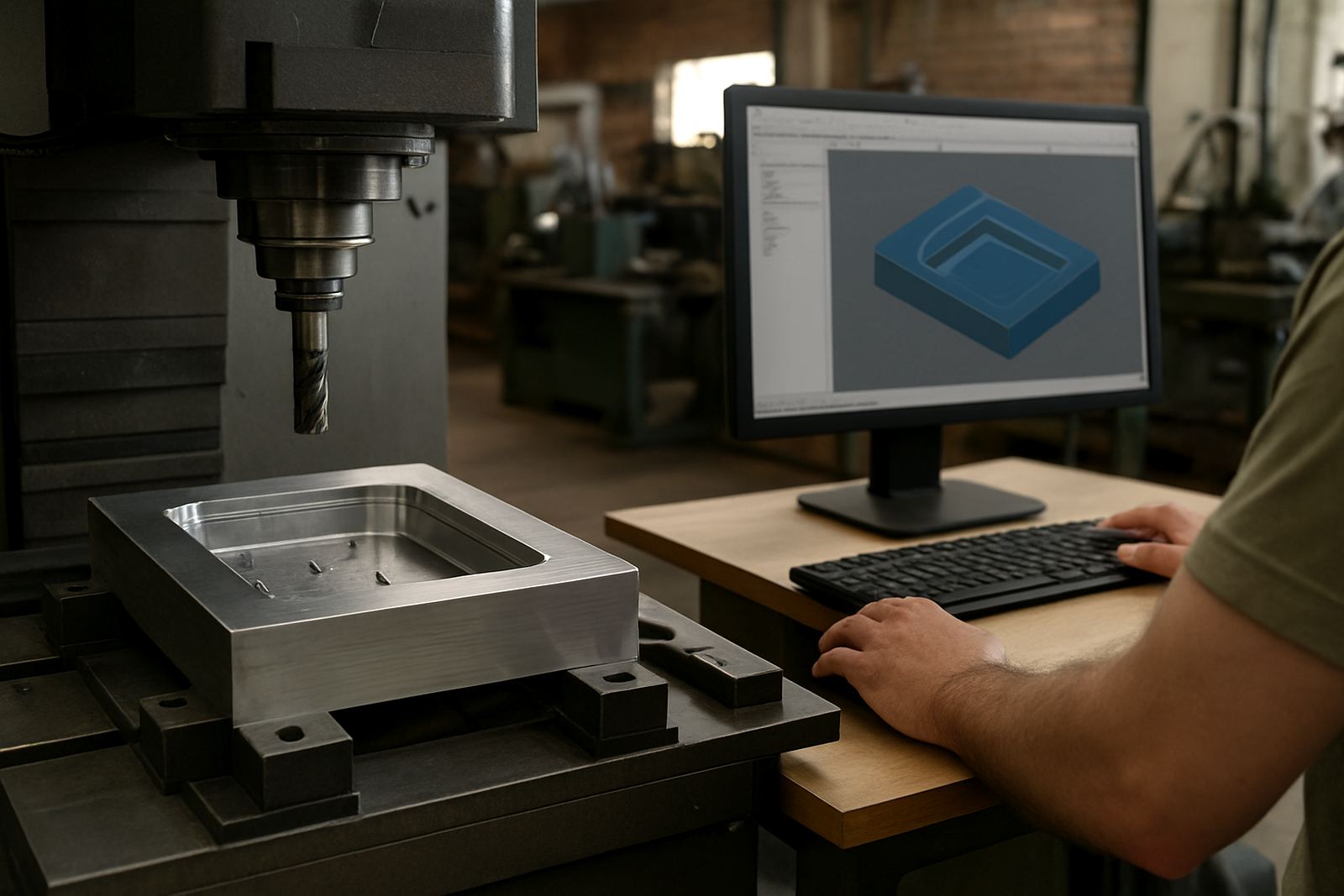
- Simulate the job to catch missed corners before cutting
At the machine, a good post-processor matters as much as the CAM strategy. If the output is clumsy, the operator ends up editing code by hand and that is where mistakes creep in. A clean setup should give the machinist confidence, not another task after tea break.
Why rest machining saves more than time
The biggest saving is spindle time, but that is only part of the picture. A tool that is cutting air or brushing over already-cleared areas still adds wear and heat. On a humid Durban job, where moisture can affect material behaviour and machine conditions, cutting only what remains helps keep the process more stable.
There is also a quality gain. If the larger tool removes most of the material and the smaller tool only cleans the leftover stock, the finish becomes more even. This is useful on visible parts, mould work and components that must fit together without filing on site. In a workshop that runs both day shift and evening shifts, reducing rework means the operator on the late shift is not left sorting out avoidable problems.
Rest machining also helps with planning. Once you know which tools are doing the bulk work, you can build a better sequence for tool changes, probing, and inspection. That makes the whole job easier to quote and easier to repeat when the same part comes back next month.
A local example from a Pretoria jobbing shop
A small Pretoria shop machining aluminium brackets for a signage contractor was roughing every part with a 6 mm cutter because the programmer wanted to keep the setup simple. The result was slow cycle times and too much wear on the tool, especially on the deeper corners where the cutter was working hard for little gain.
After the job was reworked, the roughing pass used a 12 mm tool to clear the open areas first. A second toolpath then picked up the remaining stock in the corners and around the mounting holes. The cycle time dropped, the finish improved and the operator stopped having to babysit the machine between tool changes.
That job did not need fancy machinery. It needed a better sequence and a cleaner post output. For many South African shops the win is the same: use the right cutter first, then let rest machining do the tidy-up where only the small tool can reach.
Common mistakes that waste the benefit
Rest machining can save a lot, but only if the setup is checked properly. The most common mistake is leaving the stock allowance inconsistent between operations. Another is using a smaller cutter too early, which defeats the purpose and increases the total number of passes.
Watch out for these problems:
- Wrong stock values entered after the roughing pass
- Tool diameter not matching the actual cutter in the machine
- Unclear tool library data for flute length and holder shape
- Skipping simulation and discovering missed stock on the machine
- Post-processed code that adds unnecessary retracts and motion
If the job involves long hours on a machine in a hot workshop, a poor strategy can become expensive quickly. More motion means more wear, more time and more chance of an operator making a correction under pressure. Keep the program tidy and the machine will do less unnecessary work.
When to bring in support for setup and training
Some shops can sort rest machining on their own once the basics are clear. Others need help because the same problem keeps appearing across different machines, from routers to mills and turning centres. If the toolpaths look fine on screen but the machine still cuts slowly, the issue may be in the post-processor, the machine parameters or the way stock is defined in the workflow.
That is where practical training and setup support help. With the right machine onboarding, post tuning and operator training, a shop can standardise how rest machining is handled across jobs. It also helps when a new programmer joins the team and needs to understand why the roughing pass, the finishing pass and the post output all have to agree.
For shops in Centurion, Johannesburg, Vereeniging, Durban or Cape Town, the goal is the same: clear the leftover stock without wasting spindle time. Once that becomes part of the normal process, the machine spends more time making parts and less time repeating work that was already done.
- Check whether the problem is in CAM setup or post output
- Standardise stock allowances and tool data
- Train operators to spot missed corners before cutting
- Review the full workflow when jobs keep overrunning