
Why quick code changes become expensive fast
Most operators are trying to keep the spindle turning. That is fair enough when a tool breaks, a drawing changes, or a customer phones in to ask for one more bracket. The problem starts when machine-side edits become the normal way of working instead of the exception.
Each change made at the control can drift away from the approved program. One line gets adjusted for feed, another for a safe height, then a third gets copied from memory. Before long, nobody is sure which version produced the last good part. In shops from Centurion to Durban, that confusion costs time, material and confidence.
It also makes it harder to trace faults. If the operator changed the code and the programmer does not know it, the next setup starts with guesswork. That is how a small edit turns into a half-day of checking offsets, reposting, and cutting test pieces that should never have been needed.
The hidden risks inside a machine-side edit
Editing at the control is not only about making a typo. It changes the entire chain of responsibility. Once the code is modified on the floor, there may be no clean record of what was altered, why it was altered, or whether it was approved.
- Unsafe toolpaths can remain hidden until the next run
- Feed and speed changes can overload a cutter on harder material
- A missed decimal point can send the tool too deep or too fast
- Duplicated or deleted lines can upset retract moves and lead-ins
- Different operators may each make a slightly different fix, creating inconsistent parts
On older controls, the risk is even greater because screen space is limited and the edit process is easy to rush. On a night shift, after a power dip or a load-shedding restart, an operator may trust a memory of the file instead of the file itself. That is where problems often begin.
When post output and floor edits stop matching
A proper post-processor should produce code that suits the machine, the control and the shop’s method of working. If that output is not trusted, staff begin correcting it manually. The shop then ends up with two versions of the truth: the posted program and the edited version on the machine.
This creates a maintenance problem as much as a production one. The post may still be set up correctly, but the team is no longer using it as intended. In effect, the shop is paying for programming work, then paying again in time spent repairing code at the control.
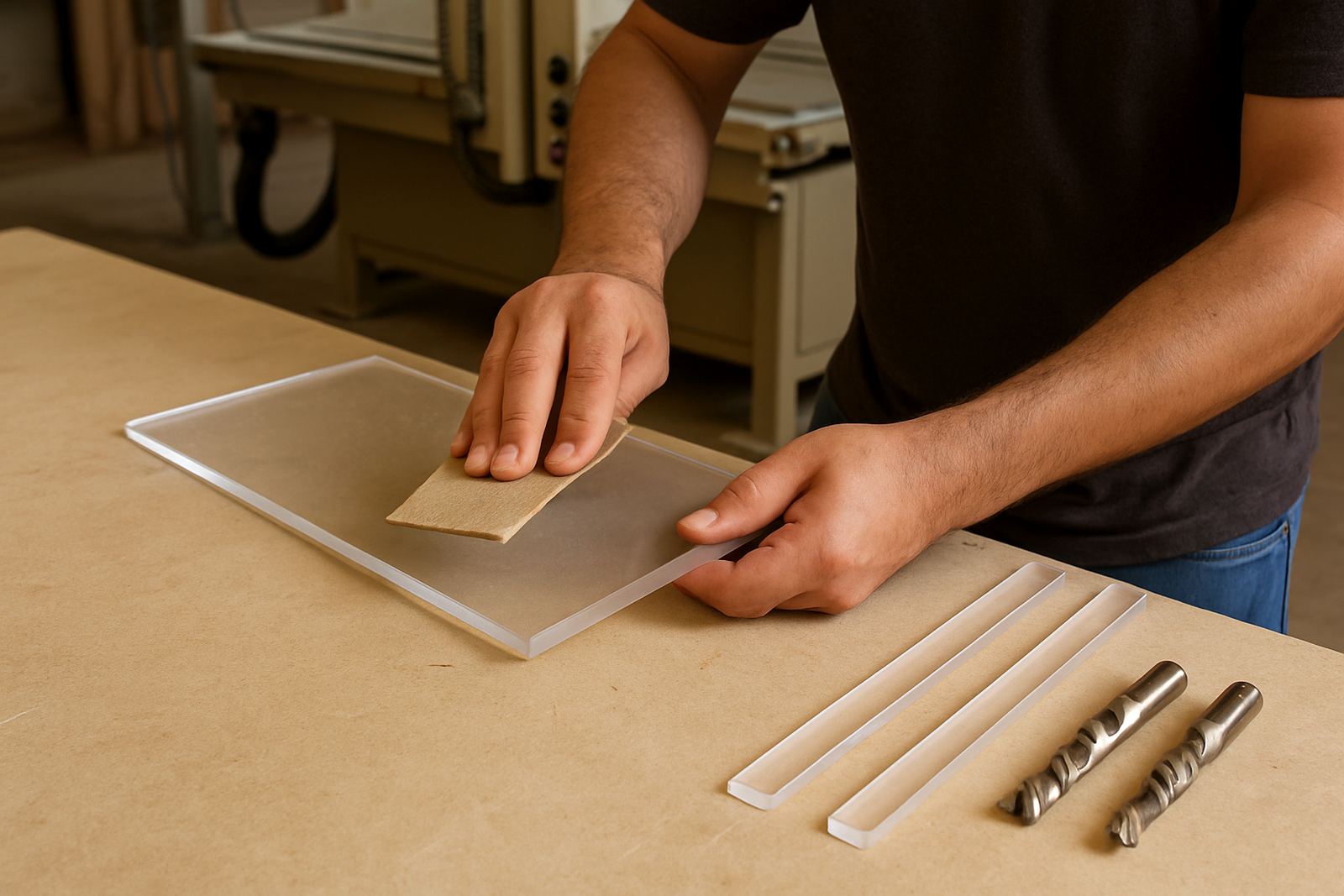
That pattern often shows up in routing shops, where one operator changes retracts for a sheet size, another changes clamp clearance, and a third tweaks rapid moves because of dust extraction or fixture placement. The intention is practical, but without a clear process it becomes messy quite quickly.
A Pretoria example: one small edit, three wasted sheets
A Pretoria workshop running a mixed routing and milling load had a repeated issue on a panel job. An operator kept altering the Z depth at the machine because the material supplier had changed board thickness slightly. It seemed harmless. The first two parts looked acceptable, so the change stayed in place.
By the third batch, the cutter was running too close to the spoilboard and the finish had gone rough. The team then spent the afternoon checking tools, collet grip and fixture height before realising the program on the control no longer matched the original output. Three sheets were scrapped, the tool was worn early, and the job missed its delivery slot.
The fix was not complicated. The shop moved the thickness correction into the workflow, standardised how the tool length was checked, and stopped casual code changes at the machine unless a supervisor signed off. Once that happened, repeatability improved and the arguments stopped.
Practical rules that keep edits under control
Operators will always need some flexibility. The aim is not to ban judgement, but to keep it inside a process that protects the job and the machine. Clear rules help newer staff and make life easier for experienced hands too.
- Only edit at the machine when the change is minor and understood
- Keep a named master file off the control for reference
- Record every approved change in a simple log
- Use a supervisor or programmer for changes to safe heights, feeds, or tool numbers
- Restart from a verified file after any power interruption or control reset
- Train operators to recognise when a fix belongs in the program, not on the floor
These rules are especially useful in shops running multiple shifts. A daytime correction might look fine, but if the night shift cannot see what was changed, the same job may start drifting. Good habits reduce that risk and help the whole team work from the same information.
Why training beats repeated firefighting
Many edit-related mistakes are not caused by carelessness. They come from incomplete training, poor handover notes, or pressure to keep production moving. A shop that invests in proper operator and programmer training usually sees fewer risky edits, better communication and less downtime.
Training also helps people understand the difference between a temporary fix and a permanent correction. If a toolpath needs a different lead-in, a safer rapid move, or a new cutter allowance, that belongs in the program and post setup. If the operator only changes the code because the job is running late, the underlying issue is usually still waiting.
Across Gauteng, KZN and the Cape, the same pattern appears again and again. The shops that control edits, document changes, and review their workflow are the ones that waste less material and get cleaner repeat work. The rest spend too much time chasing problems that started with one quick change at the control.