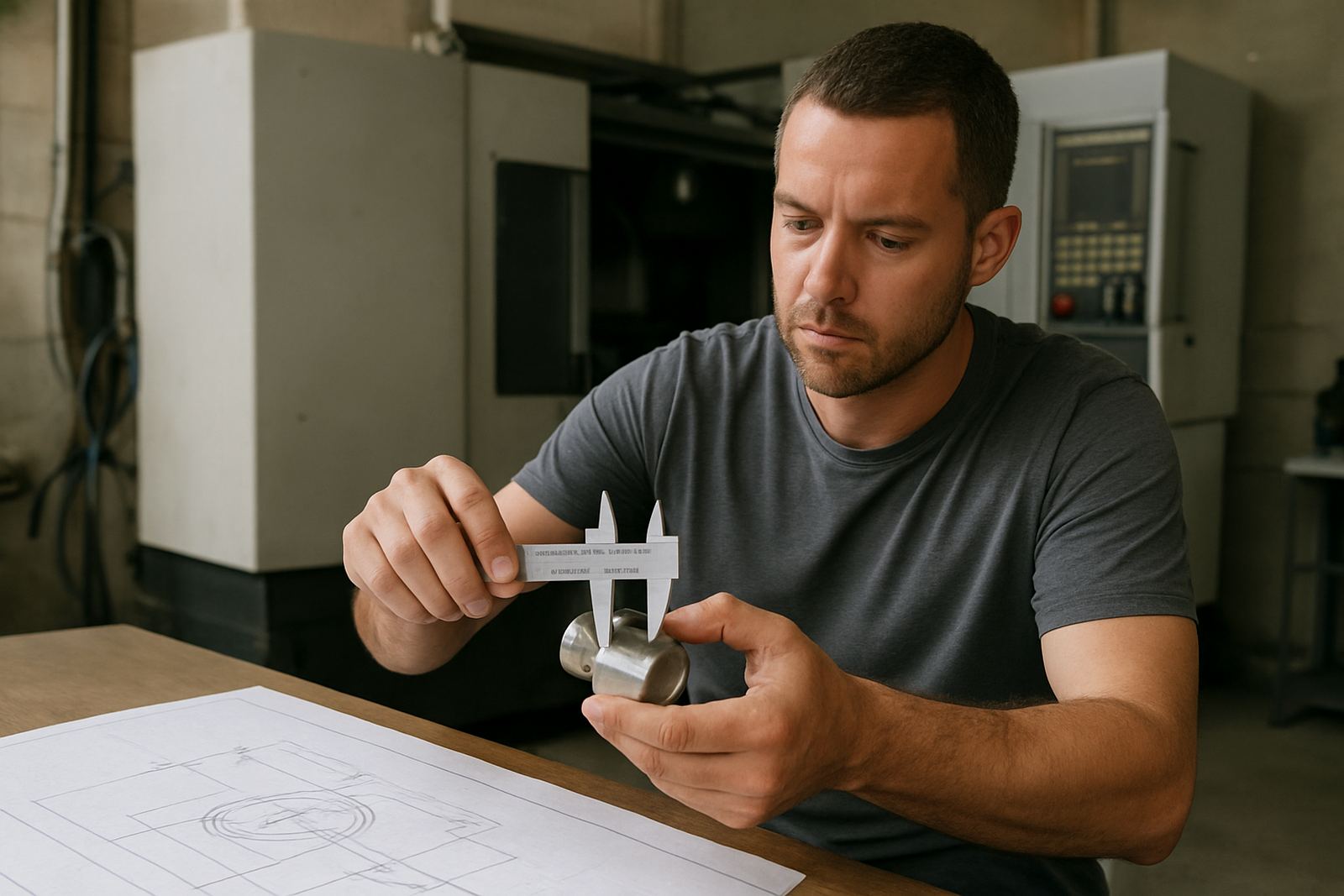
Why first-off delay costs more than scrap
Most shops in Centurion, Pretoria, Johannesburg and further afield do not lose time only when a part is scrapped. The bigger hit comes from waiting for the programmer, checking the wrong revision, re-entering tool data, or stopping the machine while someone walks back to the office for a missing clamp size. By the time the first safe part is running, the day has already lost momentum.
That is why setup sheets matter. A proper sheet gives the setter one place to confirm material, stock size, workholding, fixture height, tool list, offsets, zero position and the posted program name. It also gives the operator a clear point of reference when two jobs are on the floor at once and the phone keeps ringing. In a busy shop, clarity saves money fast.
What a good setup sheet must show before the spindle starts
A useful setup sheet is not a long story. It is a working document with enough detail for the person at the machine to load the job correctly without guesswork. For shops doing CNC routing, milling, turning or plasma work, the sheet should match the post output and the machine on the floor, not the way someone remembers the job from last month.
At minimum, the sheet should include:
- Job number, drawing revision and material spec
- Machine name, controller type and file name
- Workholding notes, including clamp positions or chuck jaws
- Tool list with lengths, diameters and holders
- Zero point, datum method and any probe routine
- Expected cycle time and first-off check dimensions
If a shop in Durban is dealing with coastal humidity, the sheet should also note material storage and any rust-prevention step before loading. If the machine runs through load-shedding windows in Vereeniging or the East Rand, the sheet should show restart steps too. Small detail, big difference.
Posting discipline keeps code and machine in agreement
Posting discipline means the code coming out of the CAM system is predictable, named correctly and matched to the right machine every time. A custom post-processor is not just a file that makes code appear. It is the link between the programmed toolpath and the way the actual machine reads moves, feeds, tool changes and coolant commands.
When that link is loose, first-off delays begin. An operator may see a safe-looking program that still uses the wrong retract height, the wrong start block or a tool call that does not suit the turret or toolchanger. A clean post reduces the need for manual edits, and fewer edits mean fewer surprises at the machine.
- Use one naming rule for all released programs
- Lock the post to the correct machine and control type
- Test safe starts after every post change
- Keep comments clear enough for the setter to read on the floor
- Record approved revisions so old code does not return by mistake
The handover from programmer to setter must be short and exact
The best programmers do not just send code, they hand over a complete running package. That means the setup sheet, posted program, tool list, fixture notes and first-off inspection points all arrive together. If any one of those pieces is missing, the machine can still start but the job will not start cleanly.
A good handover is especially important where shops run with limited staff or split shifts. One person may program in the morning and another may load the machine after lunch. If the setup sheet is strong, the second person does not have to guess at the first person's intent. In a shop near Cape Town, where a job may need to be finished before courier collection the same afternoon, that handover can decide whether the order leaves on time or sits overnight.
Keep the handover short enough to be used, but exact enough to be trusted. If the setup sheet takes ten minutes to read and three seconds to follow, it is probably the right length.
Training the team so the first part comes sooner
Even a good post and a tidy setup sheet will not help if the operator, setter and programmer all work from different habits. That is where hands-on training matters. The goal is not to turn every machinist into a programmer. The goal is to make sure everyone recognises a clean job packet, knows what to check first and understands when to stop and ask before running a doubtful program.
Training should cover real parts from the shop floor, not just examples on a screen. A milling team in Johannesburg may need to practise tool length offsets and probing routines. A plasma shop in Pretoria may need to check pierce height, lead-in logic and plate distortion. A turning shop may need to focus on turret order, insert compatibility and safe start positions. The point is to make the setup sheet and post useful on the machine, not just in theory.
- Run through one live job from file creation to first-off measurement
- Mark the exact checks the setter must do before pressing cycle start
- Use the same naming and file storage method every time
- Teach the team how to spot a post problem before it reaches production
A Centurion example: one sheet, one post, less waiting
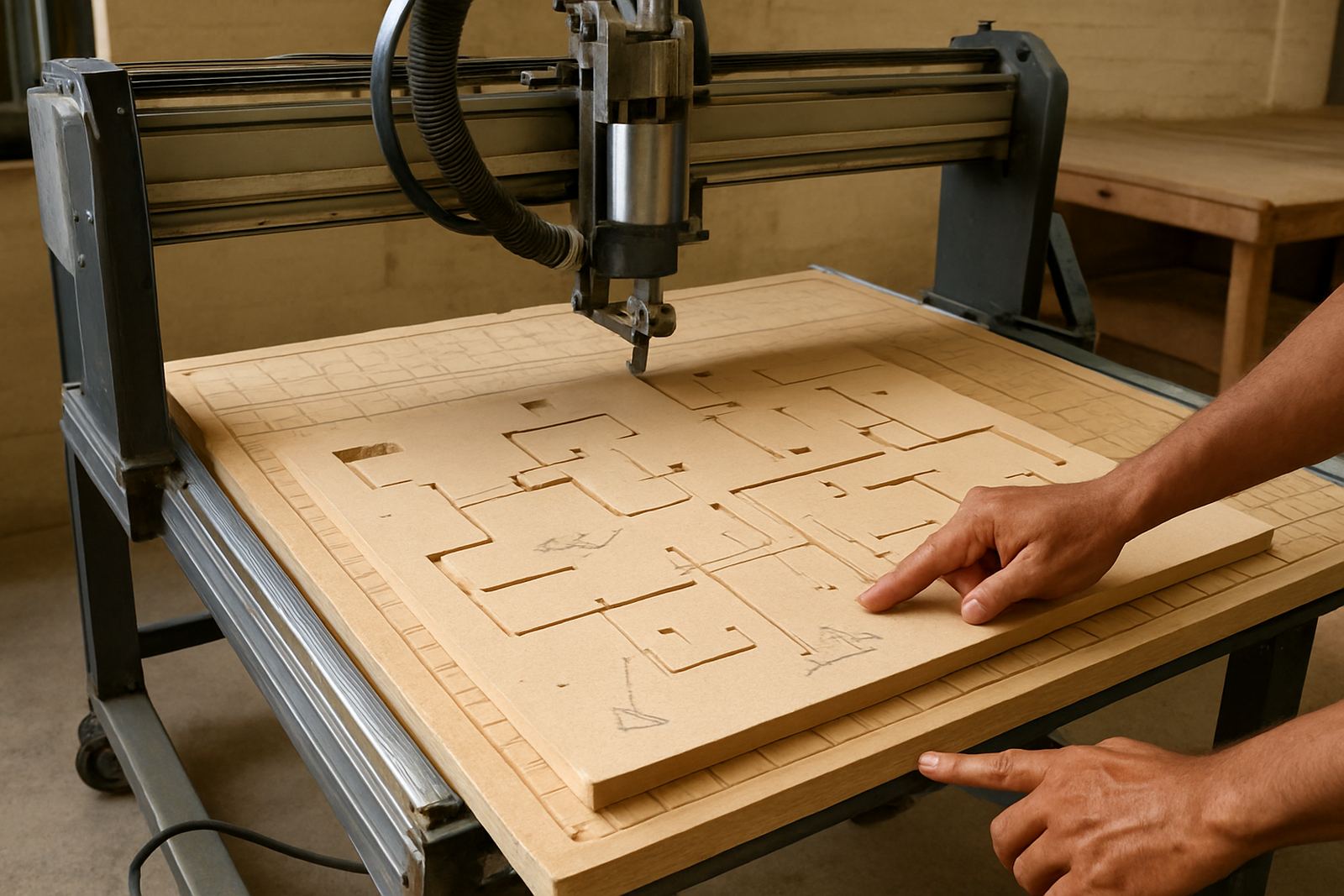
A mid-sized shop in Centurion running mixed work on routing and milling used to lose the first hour of each urgent job to questions. The operator was checking the tool list, the programmer was adjusting posted code and the owner was trying to answer a customer call at the same time. The machine was ready but the job was not.
After the shop standardised its setup sheets and had the post tuned for each machine, the first-off process changed quickly. The setter could load the job from the sheet, confirm the fixture and run the posted file with far less back and forth. The result was not magic, just discipline. The first part came off sooner, the rework dropped and the machine spent more time cutting than waiting.
That kind of change matters across South Africa, especially where shops need to make the most of one good power window, one courier collection slot or one afternoon shift. Better documents do not replace skill, but they make skill count when the machine starts turning or the plasma torch fires.
How CNC Software helps shops shorten the first-off cycle
At CNC Software, we work with shops that want cleaner setup sheets, better post output and fewer first-off surprises. That usually starts with a post review, then a look at how the job is handed over, followed by practical training for the programmer or setter who actually runs the work. If the machine, controller and workflow are not speaking the same language, we correct that at the source.
Our team supports CNC routing, milling, turning and plasma shops from Centurion to Pretoria, Johannesburg, Vereeniging, Durban and Cape Town. We assist with custom post-processors, post tuning, machine onboarding, licence installation, operator training, programmer training, owner training, first job support, remote troubleshooting, workflow audits and annual support plans. The aim is simple: get the first part off faster and keep the next parts moving without avoidable delays.
If your setup sheets are inconsistent or your posted code still needs too much manual fixing, the first-off delay is probably telling you something. Fix the handover and the machine starts earning sooner.