
Why pierce settings matter on every new plate job
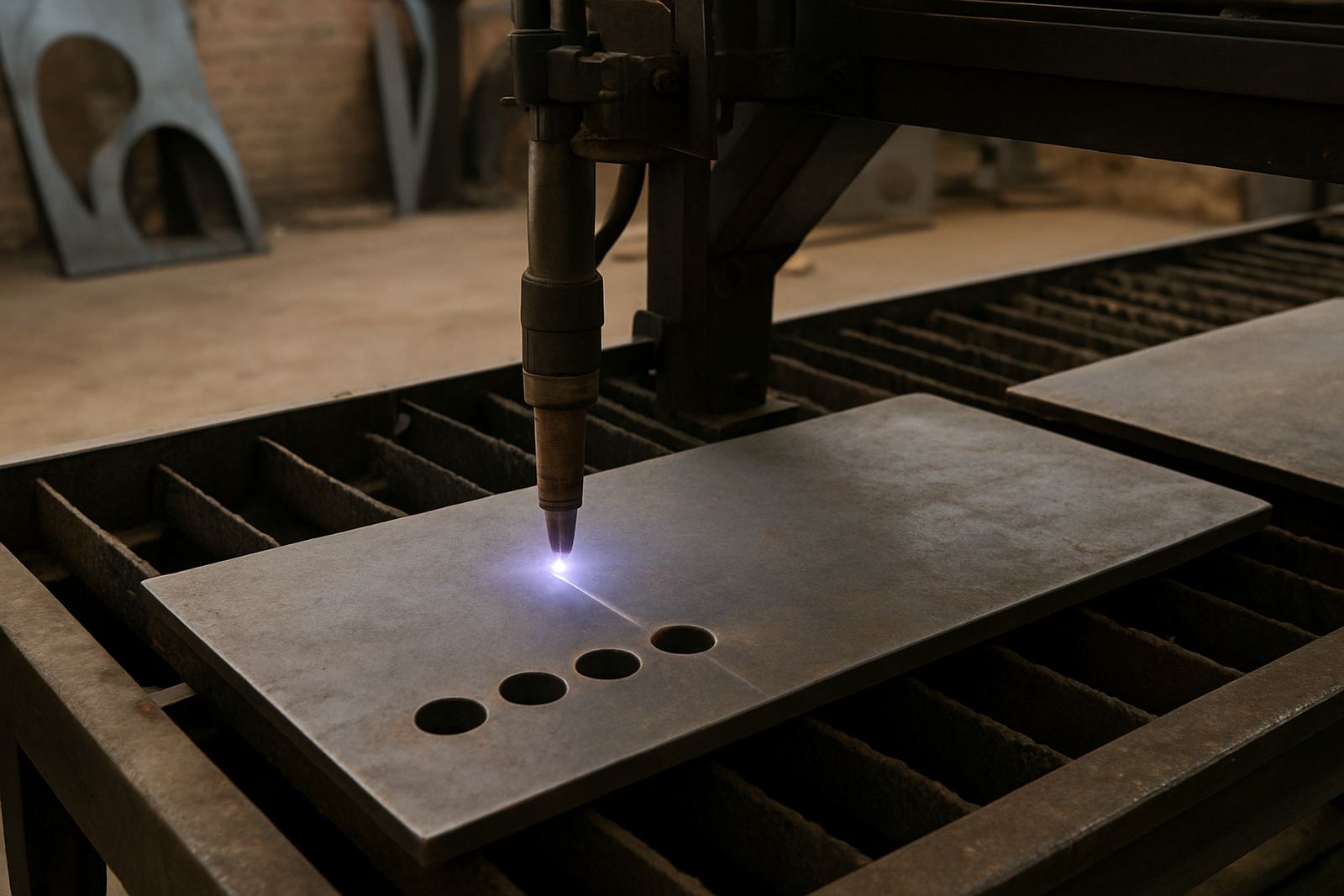
Piercing is where the cut begins, and that first moment sets the tone for the rest of the job. If the torch fires too early, too late, too high or too close to another feature, the result can be heavy dross, blown-out edges, shortened consumable life and parts that need extra grinding.
Many shops treat pierce settings as a fixed recipe, but plate work changes more often than people think. Material thickness, surface rust, mill scale, heat distortion, sheet flatness and even the day-to-day state of the machine can all shift the best setting. A good program should be checked before cutting starts, not after the first scrap part comes off the table.
In Centurion and Pretoria we still see jobs where the nesting is sound, but the pierce point is too close to a small internal cut-out or near a warped edge. The machine does what it is told, then the operator has to manage the mess. That is avoidable with a proper review.
Timing and height: the two values that cause the most trouble
Pierce timing decides how long the machine waits before moving off the pierce point. Pierce height decides how far the torch stands off the plate while the arc or flame stabilises. If either one is wrong, the cut can start with too much force or not enough, and the pierce hole may stay oversized or rough.
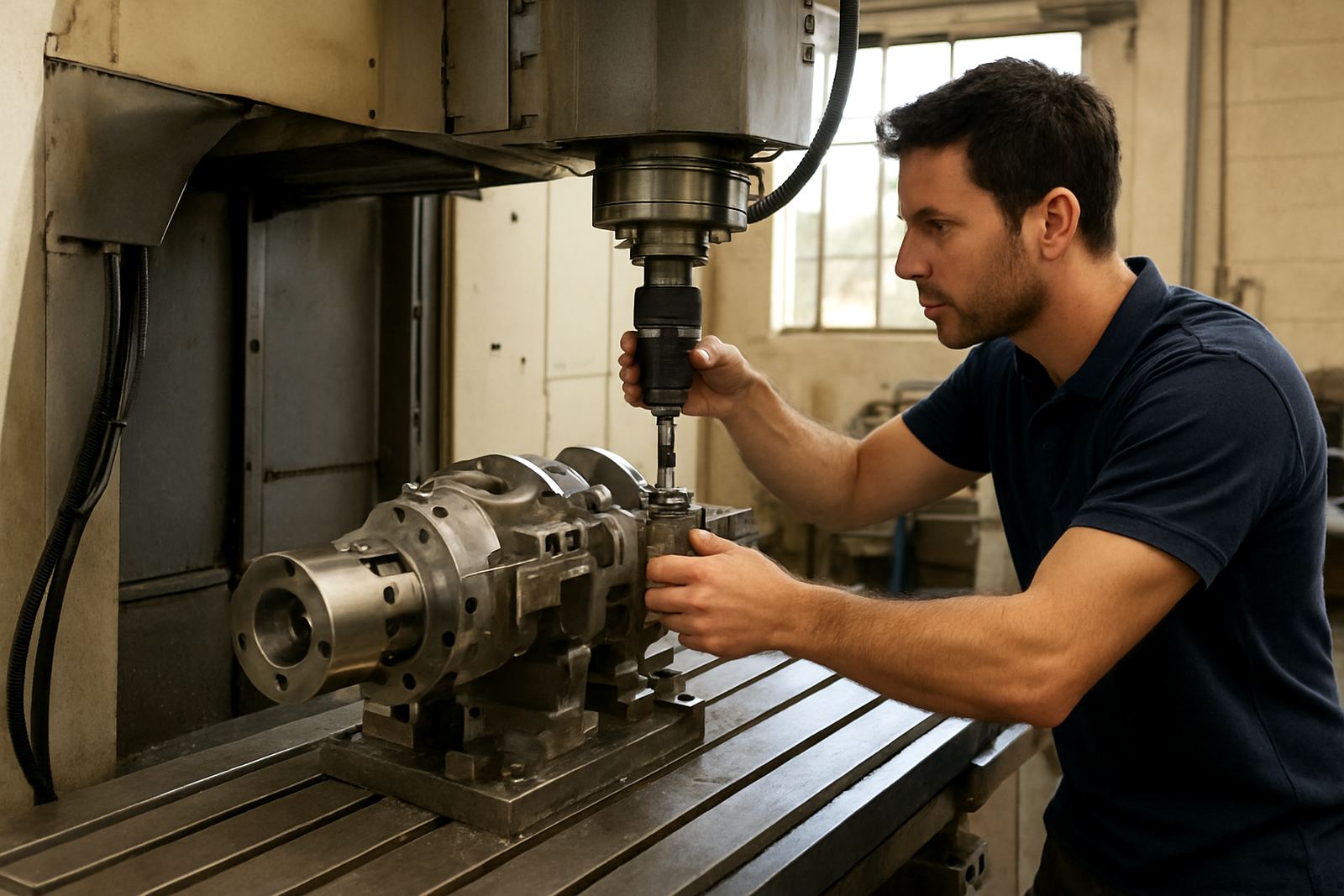
For plasma shops, a short pierce delay can leave molten material blowing back into the nozzle. For oxy-fuel, rushing the move can leave an incomplete pierce and a cut that wanders at the start. Turning jobs have their own version of the same issue when the tool approach is too aggressive and the first contact is not controlled.
- Check whether the pierce delay changes with thickness, not just with material type.
- Confirm the safe pierce height against the actual sheet condition, including bow and rust.
- Review lead-in direction so the start mark does not sit on a visible face.
- Test the first pierce on a scrap offcut before running a full nest.
Positioning the pierce so the job still makes sense on the sheet
Even a correct pierce can be poorly placed if the part layout is ignored. The best pierce point is not always the nearest point to the profile. It must suit the part, the sheet, the nesting logic and the machine’s travel path. On a busy shop floor, one bad pierce location can slow the whole batch because the operator keeps stopping to clean up or replace worn consumables.
On plate jobs with small holes, narrow webs or close spacing, the pierce point should be reviewed with the geometry in mind. If the start is too near an inside corner, the heat can pull the material and distort the feature before the cut is even underway. For sheet metal shops in Johannesburg, this becomes more obvious on thicker mild steel where the plate has been sitting in a humid store and the top layer has rust spots or moisture marks.
A practical rule is to think beyond the toolpath. Ask where the slag will fall, where the heat will travel and whether the machine has enough clearance to pierce cleanly without marking a finished face. That habit saves time later, especially on repeat work where the part order changes but the plate quality does not.
What to review before pressing cycle start
A pierce review does not have to take long, but it should be deliberate. The operator or programmer should look at the program, the sheet, the tooling and the job order before the machine starts moving. This is especially important on a day with load-shedding, because a paused job and a restarted job are not always the same. Heat can build, clamps can be moved and the sheet can shift.
- Material thickness and grade match the setup sheet.
- Pierce height, pierce delay and cut height are correct for the process.
- Lead-ins are clear of finished faces and small features.
- Sheet flatness is acceptable and the plate is clamped properly.
- Consumables are in good condition and the torch path is clean.
- The first part can be inspected without stopping the whole nest for too long.
For coastal sites such as Durban, humidity can also affect the plate surface and the storage condition of consumables. A setting that works on a dry day may need a second look when the material has been standing overnight. That is normal shop practice, not overthinking it.
How training helps operators catch the signs early
Good operators learn to hear and see when a pierce is off. They notice a delayed arc, excessive spatter, a hard start, or a pierce hole that is wider on one side. Training should cover more than button pressing. It should explain why the pierce behaves the way it does, so the operator can adjust before a whole batch is affected.
Hands-on training also helps programmers. A file can look correct on screen and still create trouble at the machine if the pierce point sits in a weak area, or if the post outputs a move that does not suit the machine’s actual sequence. That is why post-processors and machine onboarding matter. The best program is the one the shop can run with confidence on Monday morning, not just the one that simulates well on Friday afternoon.
In Vereeniging, we have seen plate shops lose time because one operator uses a setting copied from a previous job without checking whether the nozzle size, material thickness or torch stand-off has changed. Once the team understands the reason behind the settings, those mistakes drop quickly.
Turning pierce checks into a repeatable shop habit
The aim is not to overcomplicate plate work. The aim is consistency. A simple pierce checklist, a clear post-processor setup and a short review before each new material batch can prevent scrap and save consumables. Over a month, that adds up to real Rand saved on gas, tips, downtime and rework.
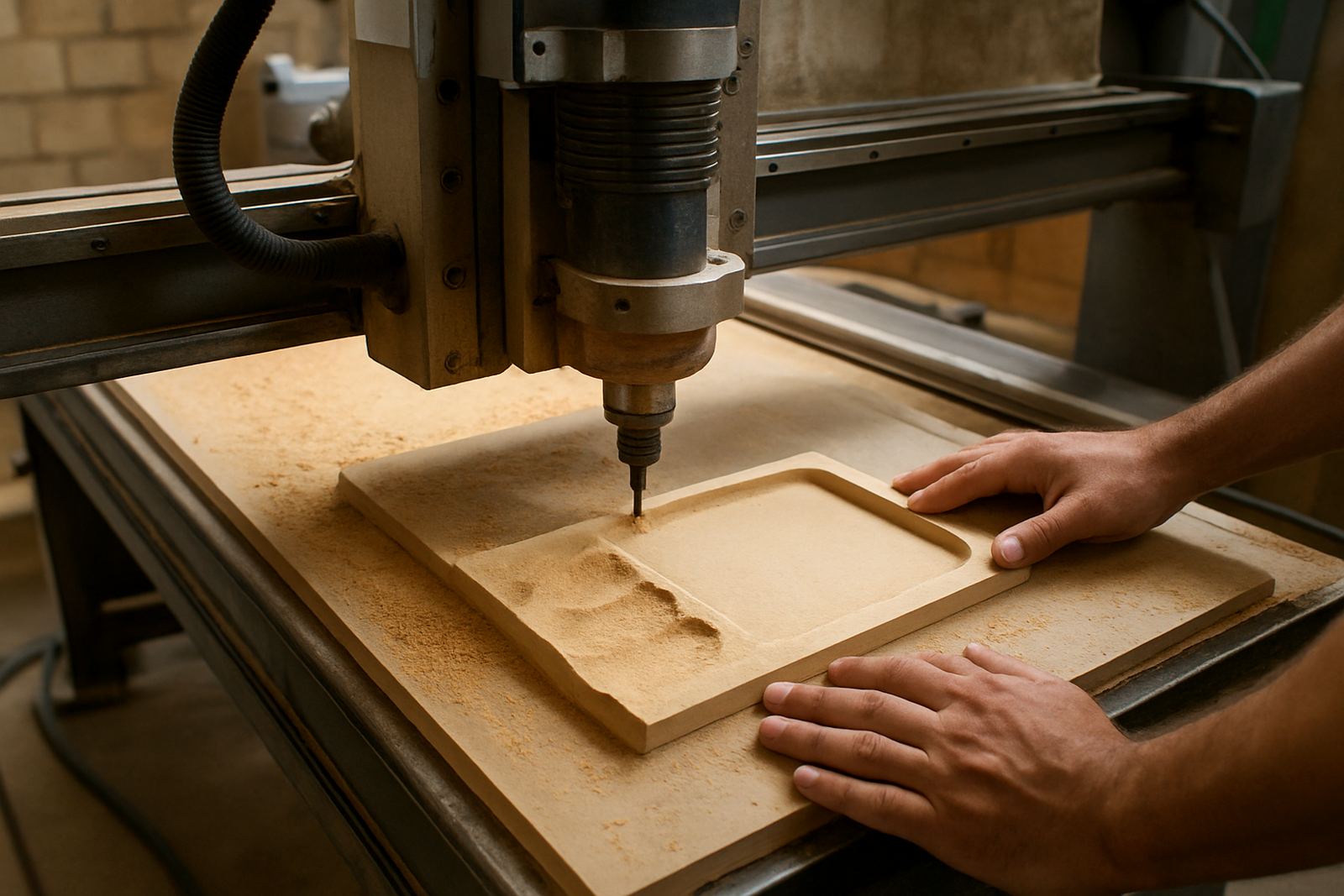
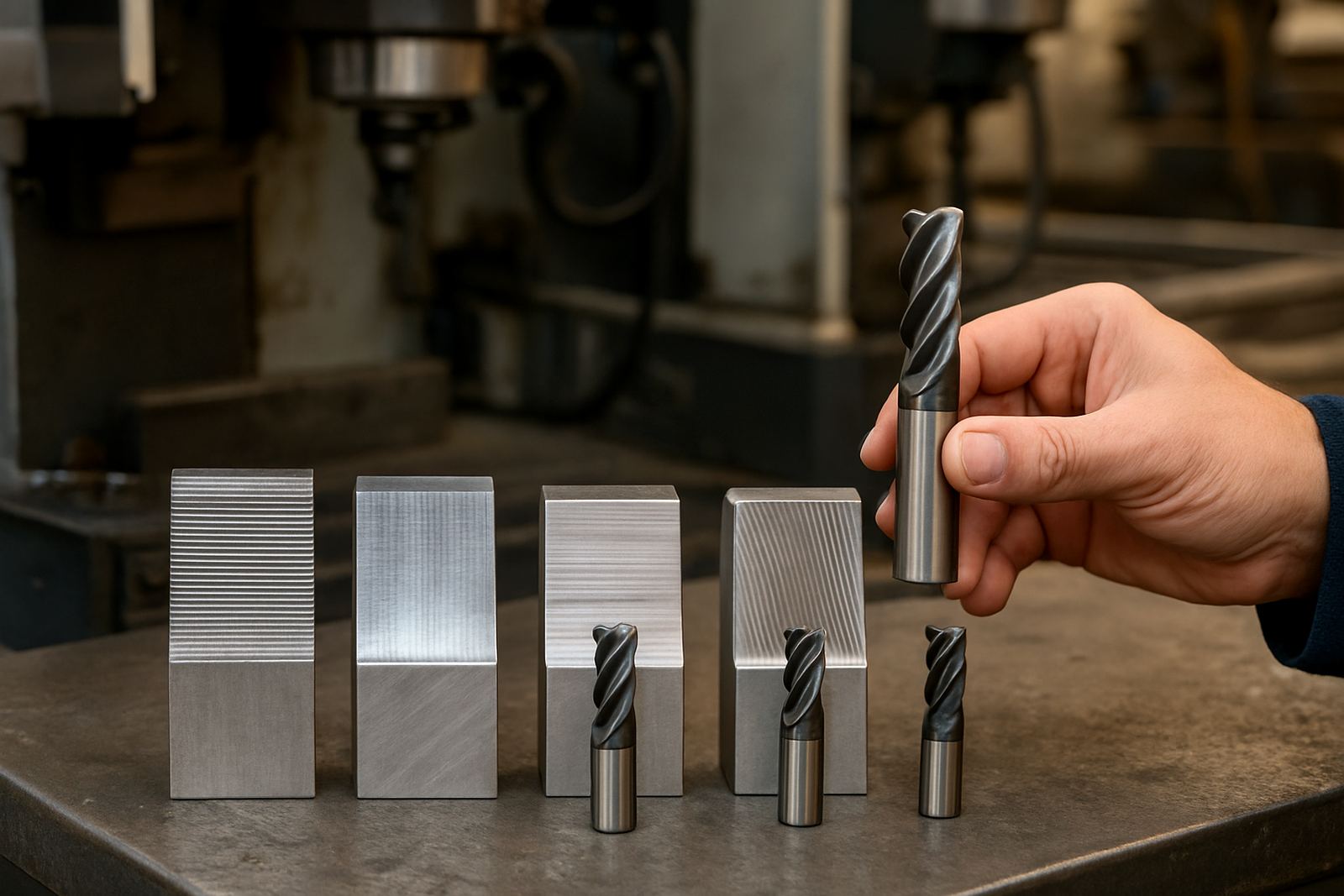
Shops that handle routing, milling, turning and plasma all under one roof benefit from the same approach: clear job setup, verified machine data and support for the people running the work. When settings are documented and reviewed, training becomes easier, troubleshooting is faster, and first job support is far more effective.
Pierce settings are small numbers on screen, but they carry a lot of weight on the shop floor. Review them every time the plate changes, and you will spend less time cleaning up mistakes and more time cutting parts that fit the drawing.