
Why shop time matters more than software time
Most CNC shops in South Africa do not lose money because the operator is slow. They lose money because the machine is waiting while someone checks a drawing, edits code at the control or sorts out a toolpath that should have been right first time. Offline programming shifts that work to a computer where it can be checked without tying up the spindle.
That matters whether you are running a router in Pretoria, a mill in Durban or a plasma table in Vereeniging. One hour on the machine can be worth far more than one hour at a workstation, especially when a job includes multiple set ups, expensive material or tight delivery dates. Preparation away from the machine protects that time.
What gets done before the machine starts cutting
Offline programming is more than drawing a path and pressing send. It is the stage where the programmer can review the full job, choose the right tools, set feeds and speeds, confirm the workholding and check the order of operations. If there is a clash in the simulation, it is cheaper to catch it there than after the spindle has already been loaded with material.
- Import and clean up customer drawings before any setup starts
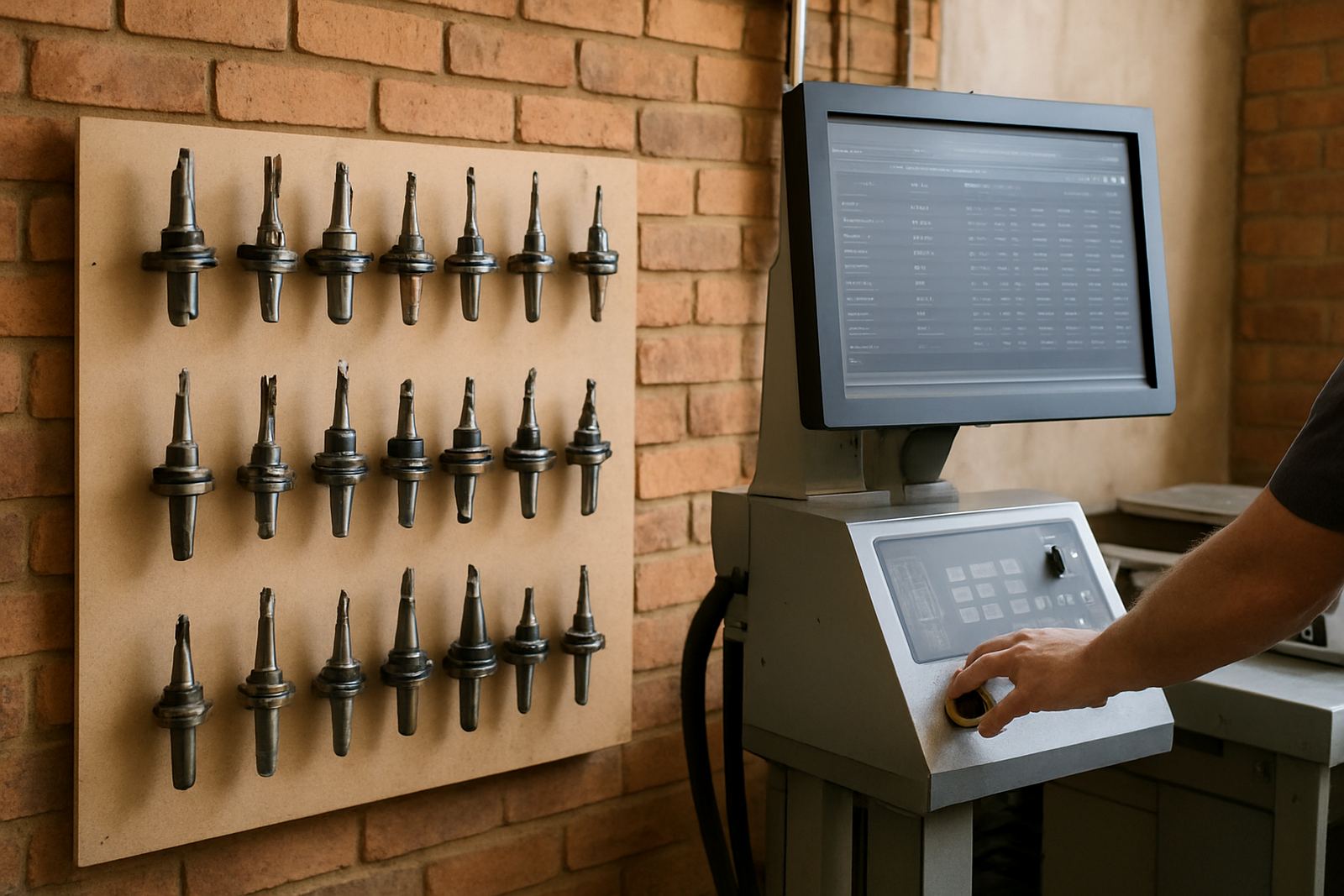
- Build the tool library with correct cutters, holders and offsets
- Create and test the program for routing, milling, turning or plasma cutting
- Use the correct post-processor for the specific machine and controller
- Run a dry check to spot collisions, rapids and travel limits
- Prepare operator notes so the floor team knows the job sequence
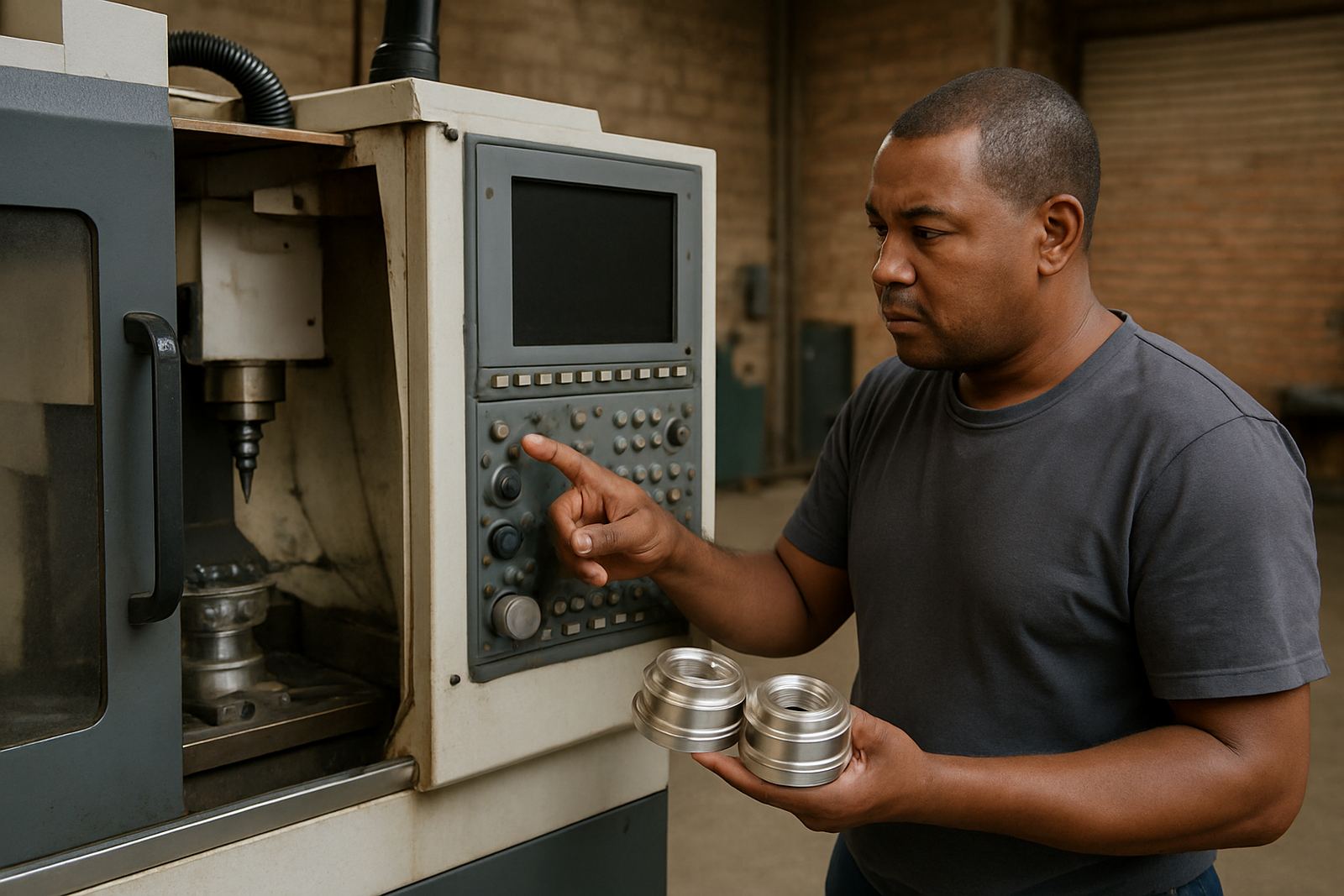
This is where a good workflow saves real hours. If the programmer can finish the logic in the office, the operator can focus on loading material, checking zero points and watching the cut instead of reading code line by line at the control.
A local example from a job shop under pressure
A Centurion shop recently had a mixed run of aluminium parts and signage panels for two different clients. The owner wanted the machines running through load-shedding windows and had only a narrow slot for cutting. The jobs were prepared offline the day before, with the post tuned to the machine and the tools checked against the actual holders in the shop.
When power returned, the team loaded the first file and started cutting within minutes. There was no scrambling to edit code on the machine and no wasted material from a wrong offset or missed clamp position. The result was simple: more spindle time, less stress and a cleaner handover between the office and the floor. It sounds small but across a week, those saved minutes add up fast.
Where offline programming pays off most
Some shops see the biggest gain on complex work, others on repeat production. Either way, offline programming pays when the machine has to keep moving and the team cannot afford trial and error on the control. It is especially useful when jobs change often or when a shop serves customers from different towns with different due dates and material specs.
- Short-run work where changeovers happen often
- Parts with multiple tool changes or 4th-axis moves
- Custom routing jobs with nested sheets and many features
- Turning jobs that need clear tool sequences and safe retracts
- Plasma work where lead-ins, kerf and pierce control matter
- Shops training new operators and needing repeatable setup notes
For many South African shops the real gain is not only speed. It is consistency. A properly prepared job gives the same result on Monday morning and Friday afternoon, even when the team is juggling client calls, material deliveries and municipal power cuts.
Post-processors are the bridge between intent and machine
A good toolpath is only useful if the machine understands it. That is why the post-processor matters so much. It translates the programmed motion into code that matches the controller, machine format and local shop practice. If the post is wrong, the best drawing in the world can still create bad code.
Custom post-processors and post tuning make a major difference when a shop has older equipment, modified machines or more than one controller type. They also help when the operator wants cleaner code, safer retracts or a layout that matches how the team works on the floor. In practice, that means fewer manual edits and less chance of a mistake being carried into production.
Training the team so the process sticks
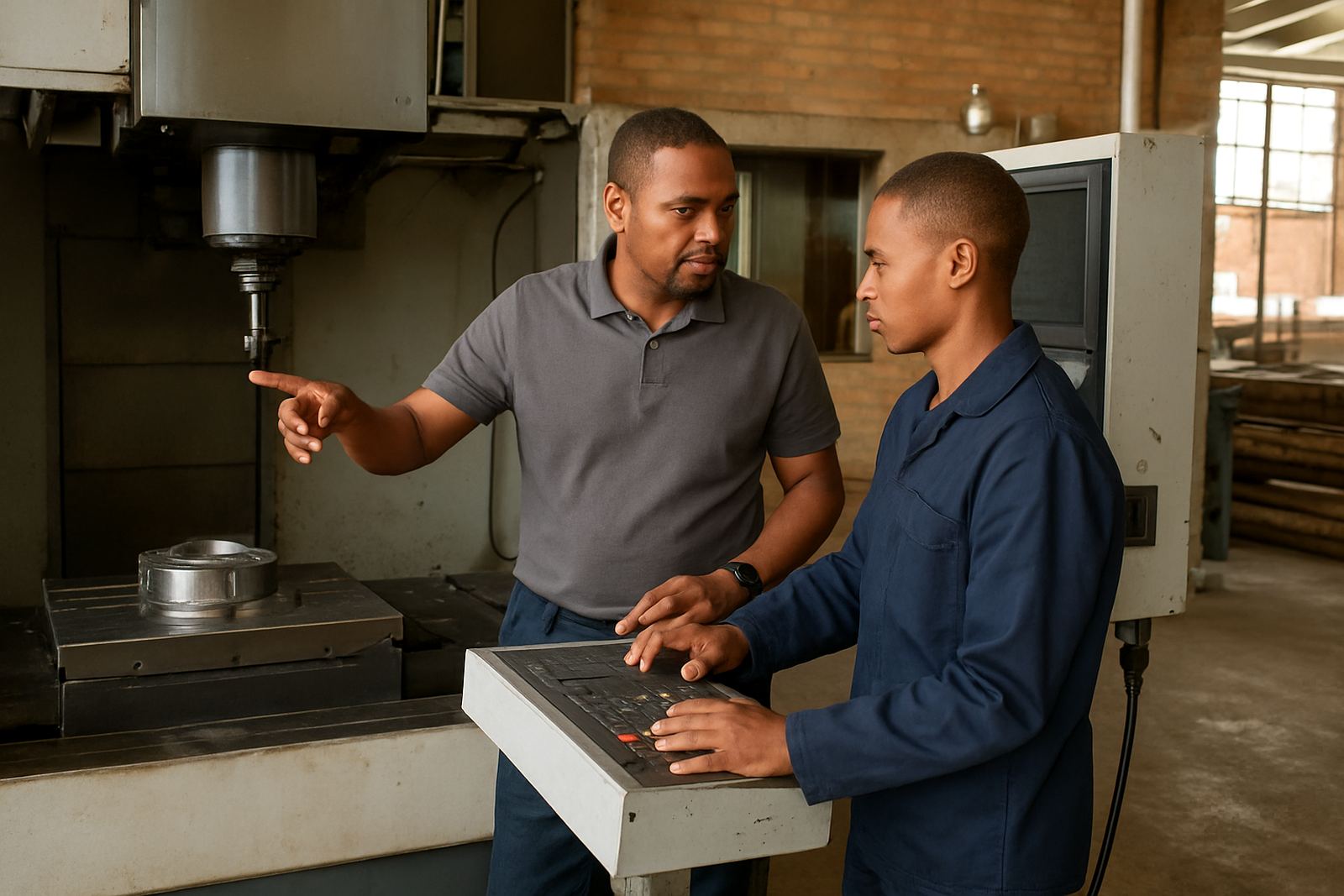
Offline programming only works properly when the people using it understand why the steps matter. That is why hands-on training is part of the value. A programmer needs to know how to build the job efficiently. An operator needs to know what to check before pressing cycle start. An owner needs to understand where time is saved and where the risk sits.
We see the best results when training covers the full flow, not just the software buttons. That includes file prep, tool libraries, setup sheets, post selection and first job support. With the right training the shop stops relying on one person knowing everything, which is a real risk when schedules get tight or someone is off sick.
A practical way to protect spindle time
Offline programming is not about adding another layer of admin. It is about moving the work to the cheapest and safest place it can happen. A workstation costs less than a machine hour and a mistake found in simulation costs less than a crash, a scrapped sheet or a delayed delivery. For shops across Gauteng, KZN and the Cape, that is a direct business decision.
At CNC Software we help shops install licences, tune posts, onboard machines and support the first jobs so the offline process actually saves time. If your team is still doing too much at the control, that is usually the sign there is more spindle time available than you are getting now.