What a post-processor actually does in the workshop
A post-processor takes toolpath data from your CAD/CAM work and turns it into machine-ready NC output that your controller can read. It decides how moves are written, how tool changes are called up, how feeds and speeds are presented, and how the machine is told to behave at the start and end of a job.
In practical terms, the post is not a side issue. It is the link between office programming and cutting metal, wood, acrylic or plate on the machine. If that link is wrong, the shop feels it straight away through alarms, wrong offsets, slow hand corrections or a job that starts fine and then drifts off course.
Why the same program can run well on one machine and fail on another
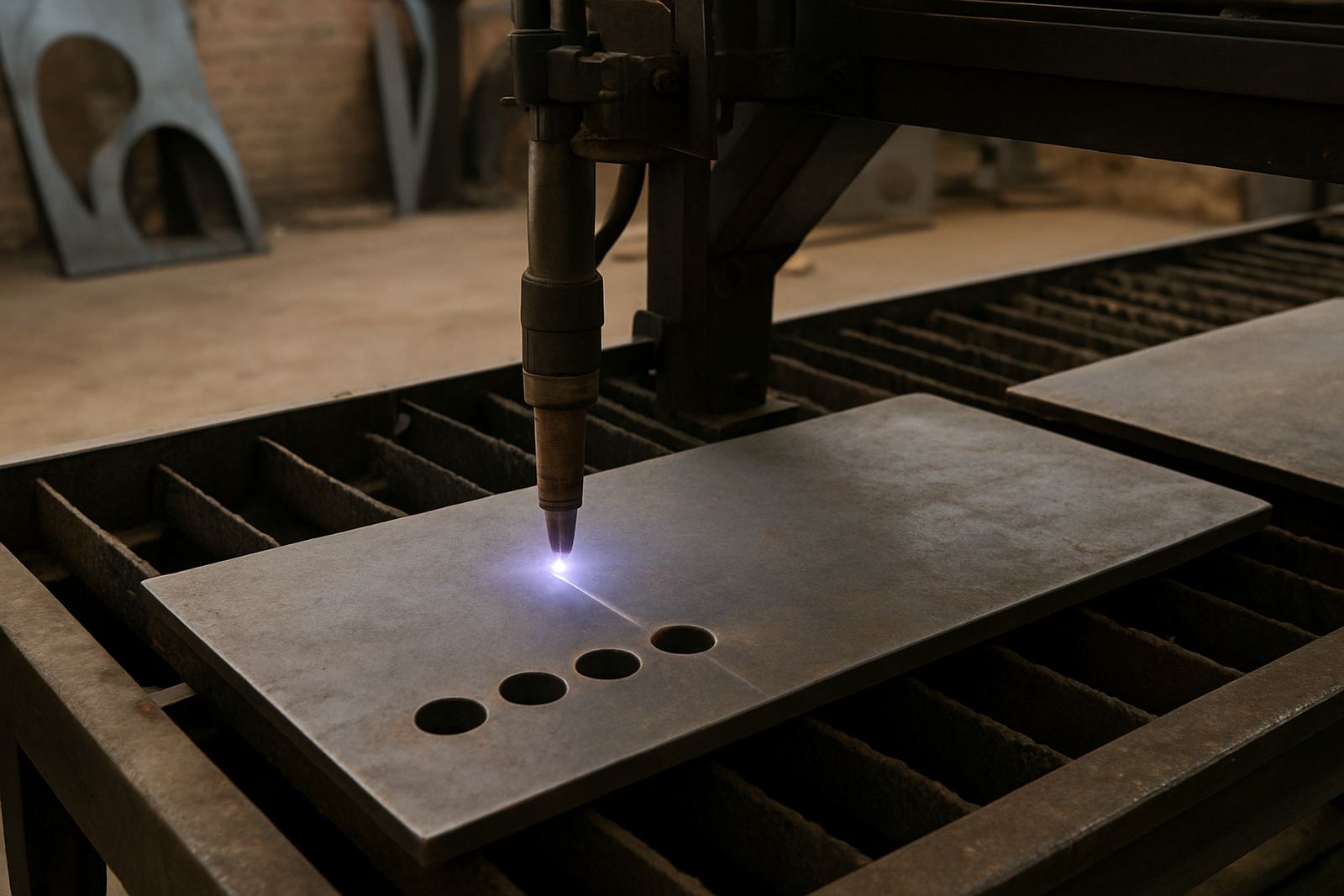
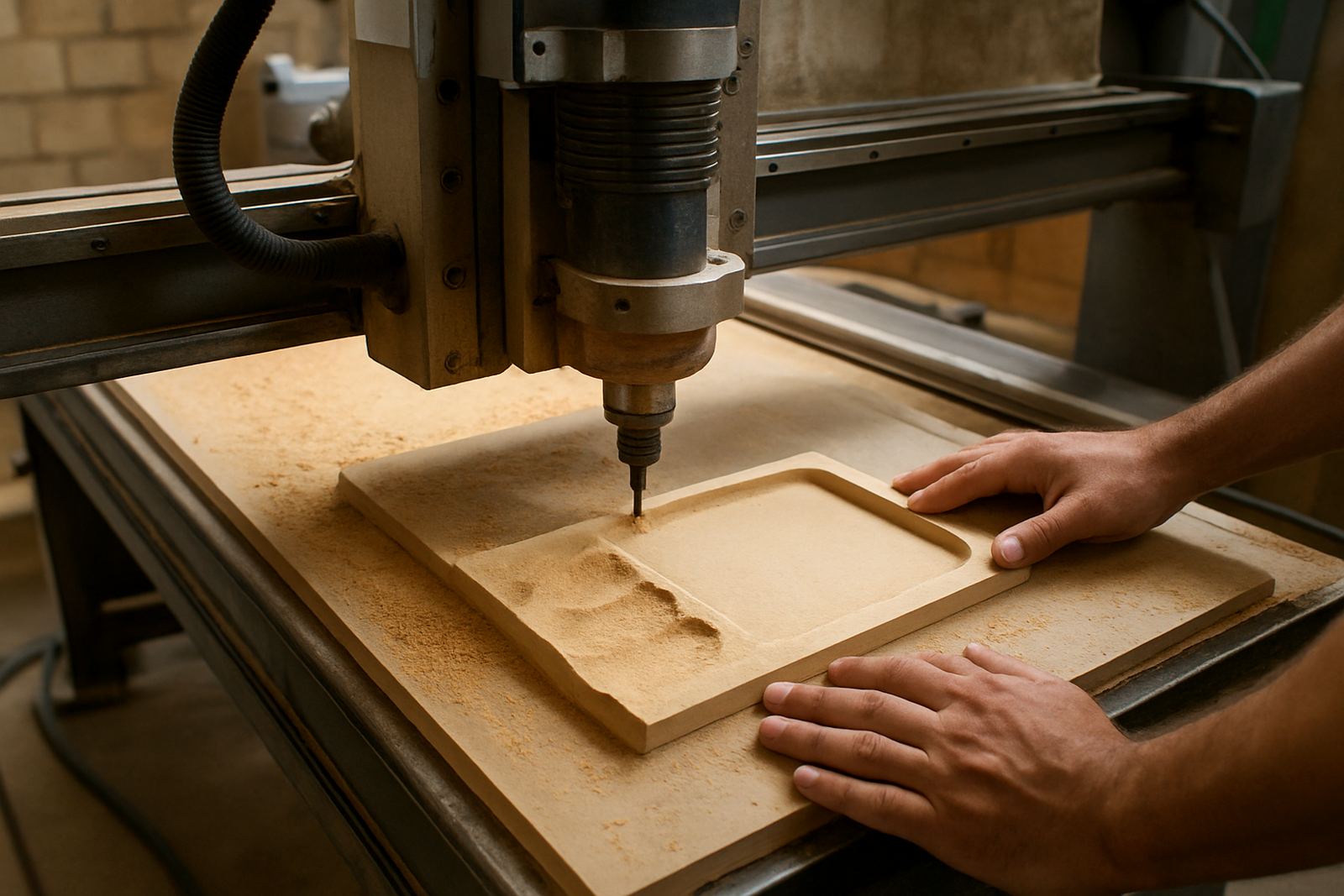
Two routers or two milling machines can look similar and still need different output. One controller may want absolute positioning in a certain format, while another needs a different header, tool call structure or spindle command. Turning machines and plasma tables add their own rules too, especially where rapid moves, arcs or cut compensation are involved.
That is why a generic post often causes trouble. The machine may still move but it will not move the way the builder intended. A well-tuned post keeps the output consistent with your actual machine, your tooling setup and your shop practice, which matters a lot when operators are working under pressure or trying to recover after load-shedding.
- Controller format must match the machine controls
- Tool calls should suit your tool library and change process
- Safe start, retracts and home moves need to be reliable
- Units, feeds and spindle commands must be clear to the operator
The hidden cost of poor NC output
Bad output does not only waste time at the machine. It also wastes material, burns through tooling, creates rework and puts pressure on supervisors who then have to check every line before a run. In smaller shops, one bad post can hold up several machines because the operator keeps stopping to verify code by hand.
We often see the same pattern in Gauteng job shops. A part is programmed correctly, but the posted file has awkward lead-ins, unsafe retracts or incorrect code at the start of the cycle. The operator notices it only after the first dry run and the team loses half a shift. In some cases the controller accepts the code but the path is still inefficient, so cycle times creep up without anyone realising why.
What a good post setup should give your shop
A proper post setup should make the machine easier to run, not harder. It should give the operator code that is readable, repeatable and suited to the controller on the floor. It should also reflect how your shop actually works, whether you are doing short-run routing in Centurion, aluminium parts in Pretoria, plate work in Durban or mixed production in Cape Town.
- Clean NC output with sensible formatting
- Correct machine starts, stops and tool change lines
- Safer first moves around clamps and fixtures
- Consistency across different programmers and shifts
- Fewer manual edits before the first cut
When the post is tuned well, training also becomes simpler. New programmers learn the logic faster, and operators trust the output because it behaves the same way from one job to the next. That trust matters when deadlines are tight and the client wants the parts out before the weekend.
A Pretoria example: from manual edits to repeatable runs
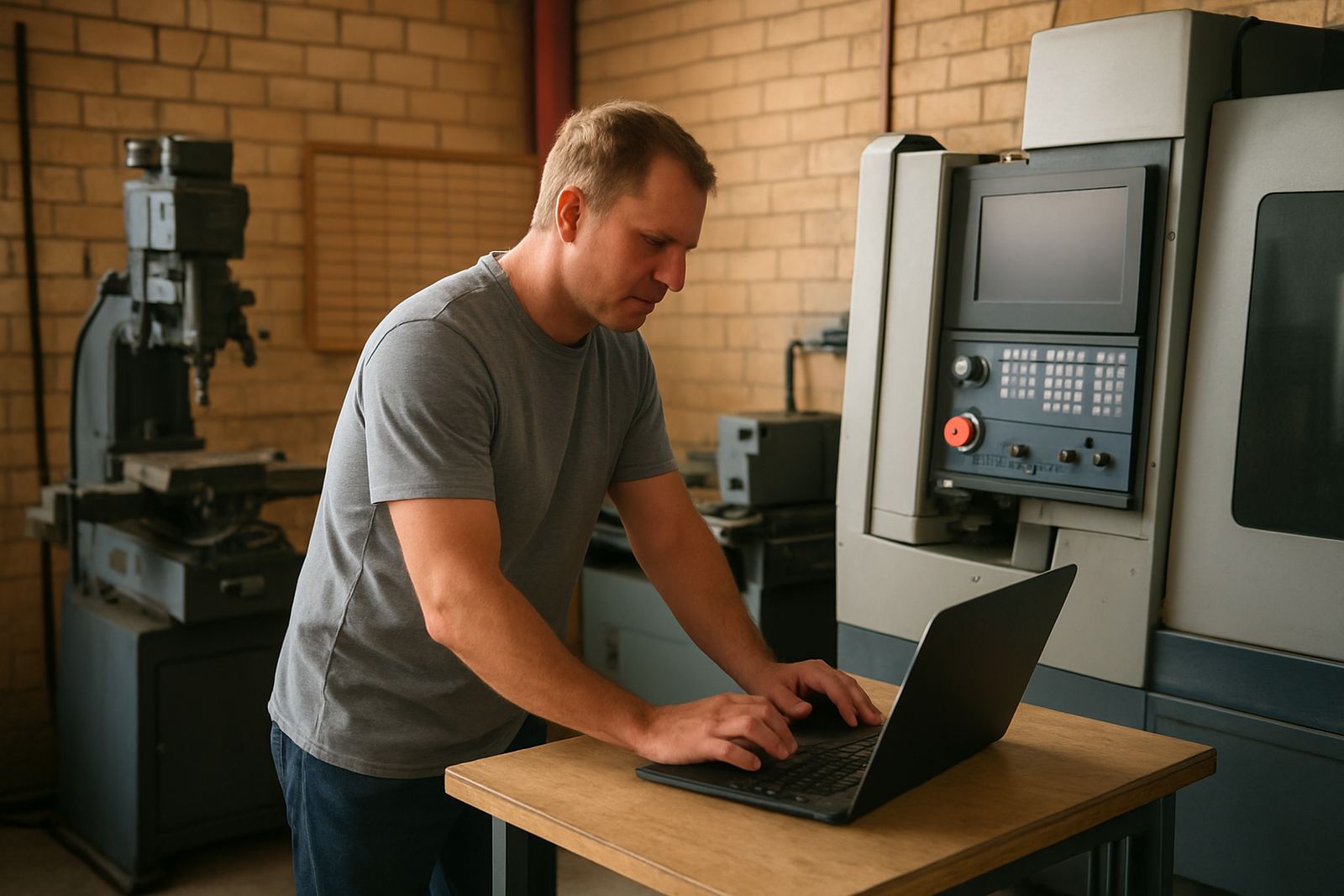
One Pretoria metal shop came to us with a turning and milling cell that was getting by on manual fixes. The programmer knew the CAM side well, but every second file needed small edits before the machine would accept it. The team had developed workarounds, yet those workarounds lived in notebooks and verbal instructions, not in the output itself.
We reviewed the workflow, tuned the post for the controller in use and checked how the operator loaded tools, homed the machine and started each job. After that, the files matched the shop's process much better. The programmer spent less time editing and the operator had fewer stoppages. It did not turn the shop into something it was not, it simply made the machine output fit the work already being done.
Getting the post right before production pressure hits
The best time to sort out post processing is before a new machine goes live or before a busy production cycle starts. That gives space for machine onboarding, first job support, operator training and if needed remote troubleshooting while the setup is still fresh. It is far easier to fix a post during commissioning than after a stack of urgent work orders has already built up.
For CNC shops across South Africa, especially those dealing with municipal power interruptions or coastal humidity, reliable output is part of keeping the floor steady. Good posts, clear support plans and proper training all work together. If the output is dependable, the machine becomes easier to plan around and the shop can focus on cutting parts instead of correcting code.
At CNC Software in Centurion, we help shops with custom post processors, post tuning, licence installation, operator training and first job support through the enquiry form on our contact page. Whether your work is in routing, milling, turning or plasma, the goal is the same: output that suits the machine and keeps production moving.