Built for mixed cutting on the shop floor
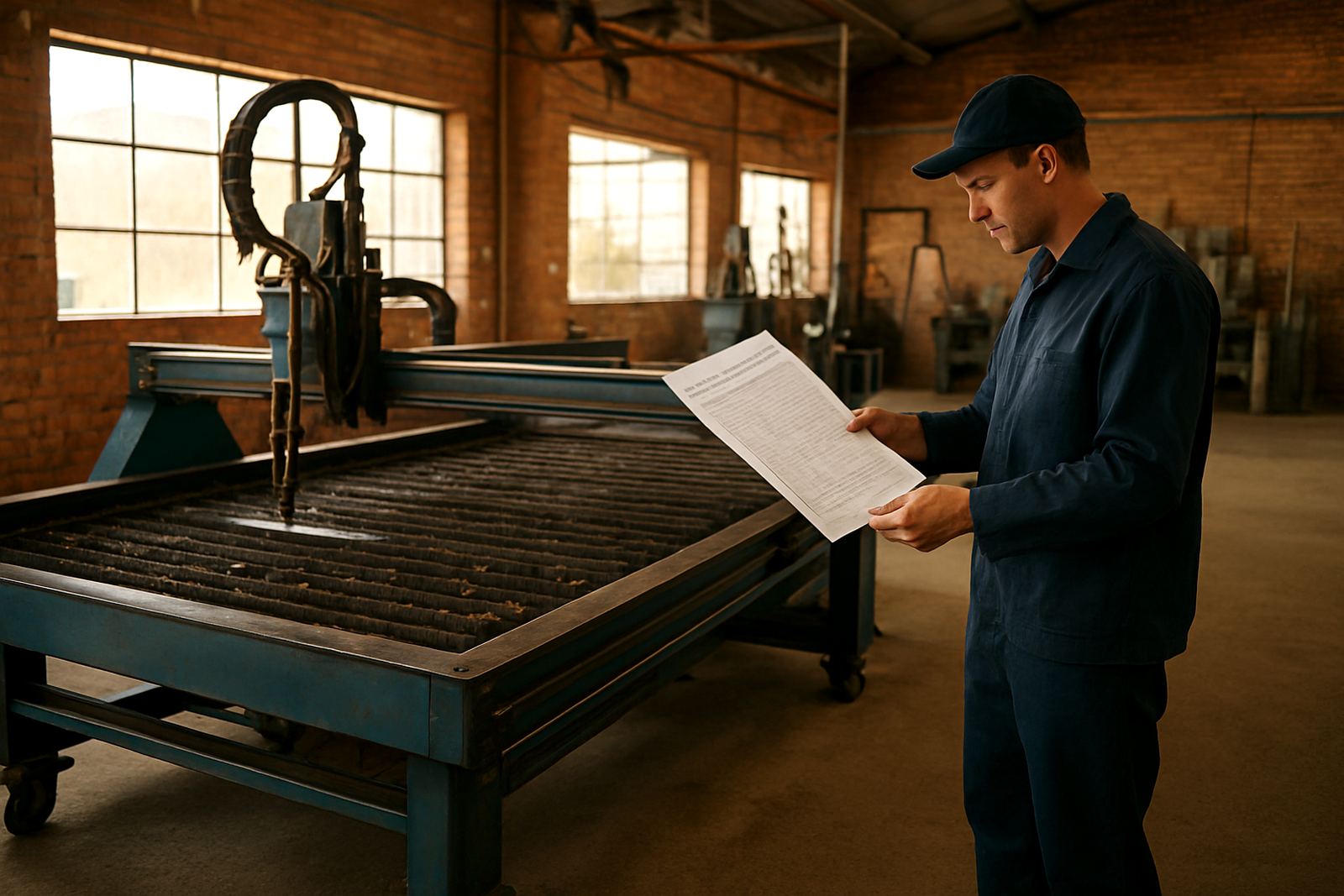
Oxy Plasma CAM is used where a single machine handles plasma and oxy fuel work, or where a shop needs one programming path for both thinner and thicker plate. It helps set up profiles, lead-ins, pierce points and cutting order so the operator spends less time correcting files at the machine. For South African job shops, that means better control on small batch work, repair plates and production runs where every minute counts.
The software suits routing is not the point here, this is for plate cutting, fabrication and maintenance teams that need dependable output for steel plate, mild steel and general industrial cutting work. It is also a practical choice where power interruptions, compressor downtime and gas supply planning must be considered before a job starts.
Options and workflow sizes for different shops
We support Oxy Plasma CAM licences and setup for small owner-run workshops as well as larger production floors with several machines. Depending on the machine and job mix, the setup may include single workstation use, network use across the office and workshop, or a shared programming station for multiple operators. Where required, custom post-processors are matched to the controller and cutting table so the code runs in the expected format.
- Single licence for one programming station
- Multi-user setup for shared office and production work
- Custom post-processor for a specific controller or table
- Mixed plasma and oxy fuel workflow setup
- Training for operators, programmers and owners
For shops in Pretoria, Johannesburg, Vereeniging, Durban and Cape Town, we often tailor the setup to local production conditions, including shift work, humid coastal workshops and sites where dust, heat and load-shedding affect daily output.
Where it fits best on South African cutting floors
This product is a good fit for fabrication shops, structural steel yards, maintenance departments, agricultural repair teams and plate cutting businesses that handle both quick-turn plasma jobs and thicker sections that need oxy fuel. It also suits contract cutting operations that must keep material traceability, nesting efficiency and lead time under control.
If your work includes repair brackets, wear parts, base plates, machine guards or heavy sections that move between plasma and oxy cutting, the software helps keep the job organised. Shops in coastal areas should also plan for corrosion risk on tables, rails and connectors, while inland sites may need extra care with dust and temperature changes.
- Plate cutting for mild steel and general fabrication
- Mixed plasma and oxy fuel workflow
- Maintenance and repair production
- Thicker plate jobs where oxy fuel is preferred
- Small to medium batch work with repeat jobs
Installation, machine connection and power planning
We assist with licence installation, machine onboarding and post output checks so the software is ready for the actual machine, not only for the office. Installation is usually done on a Windows workstation with enough memory and storage for job files, nesting data and drawings. A stable network connection helps with updates and licence management, but the machine side must also be checked carefully before first use.
For the machine itself, the controller format, THC setup, torch height controls and gas cutting hardware all need to be confirmed before production starts. Where a shop runs during load-shedding, you should also plan for UPS coverage on the PC, clean shutdown procedures and a restart process that does not lose a half-finished job.
- Windows 10 or 11 workstation recommended
- Reliable SSD storage for program files and drawings
- Stable network access for licence and support tasks
- Compatible controller and correct post output
- UPS or backup power for office-side continuity during outages
Gas, torch and consumable checks before you order
Before ordering, check the machine type, torch arrangement, gas supply and the thickness range you plan to cut most often. Oxy fuel cutting needs the right gas setup, pressure regulation and safe storage, while plasma work needs clean air, dry filtration and consumables that match the amperage and duty cycle. If the workshop air is wet, especially near the coast, water in the line can spoil cut quality and shorten consumable life.
It is also worth confirming what your operators actually use on the floor. Some shops need simple lead-in settings and basic nesting, while others need more control over pierce delay, cut height, corner speed and kerf settings. A small mismatch now can cause extra scrap later, so we ask the practical questions before installation begins.
- Material thickness range, especially the thickest plate you cut
- Plasma power source and oxy fuel torch configuration
- Gas type, regulator setup and safety storage arrangement
- Dust, humidity and workshop cleanliness conditions
- Controller model and file format required by the machine
Care, servicing and training that keeps jobs moving
Good CAM output still depends on a tidy workshop routine. Keep the workstation clean, back up job files regularly and make sure operators know where toolpaths, nests and machine profiles are stored. The machine side needs normal servicing too, including torch checks, cable inspection, air line drainage and regular cleaning around the cutting table.
We offer hands-on training for operators, programmers and owners, plus first job support, remote troubleshooting and workflow audits where a team needs help after installation. For larger sites, annual support plans can cover changes to machine settings, new post-processors and refresher training when staff change or output demands increase.
- Backup job files and post configurations weekly
- Drain air lines and check filters often
- Inspect torch leads, clamps and consumables before shifts
- Clean the table and rails to prevent cutting errors
- Book refresher training when new staff join
What to check before asking for a quote
To quote correctly, we need to know the machine make and controller type, the cutting processes you use, and whether you need a standard licence or a custom post-processor. It also helps to know if the shop is in Centurion, Pretoria, Johannesburg, Vereeniging, Durban or Cape Town, since on-site support and training can be planned around travel, shift hours and machine downtime.
Bring the real job details, not only the brochure information. Thickness ranges, daily part volume, operator skill level and whether the team handles both plasma and oxy fuel will guide the best setup. If you are replacing an older system, we can help compare the current workflow with the new one so the changeover is practical and not disruptive.
- Machine controller and table details
- Plasma and oxy fuel cutting requirements
- Required material thickness and sheet sizes
- Number of users and training level needed
- Need for custom post-processors or workflow support
Key facts
| Product type | CAD/CAM software for oxy fuel and plasma cutting workflows |
|---|---|
| Core use | Programming support for mixed cutting processes and thicker plate |
| Licence setup | Single user or multi-user options, subject to site needs |
| Machine support | Custom post-processors and controller matching |
| Training | Operator, programmer and owner training available on site or remotely |
| Support coverage | Centurion based, serving Pretoria, Johannesburg, Vereeniging, Durban and Cape Town |