
Start With a Remnant Register That the Floor Can Actually Use
The best remnant system is the one the setter or operator will use at 7:15 on a Monday when the job queue is already full. Keep it simple and visible. Whether you run CNC routing, milling, turning or plasma, every usable offcut should be logged the moment it comes off the machine, not later when someone has time. If a remnant is tossed onto a rack without a size tag it is usually gone for good.
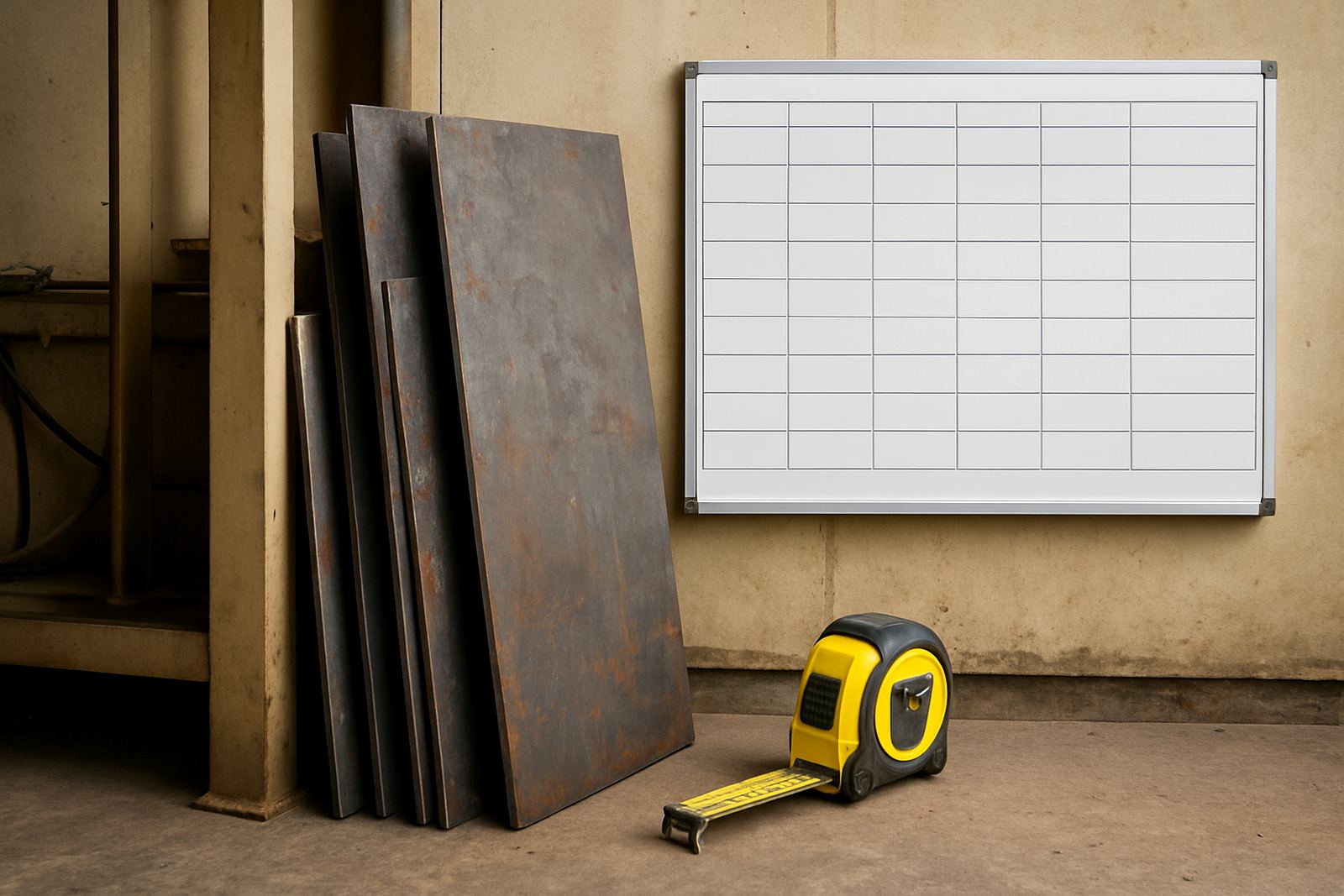
A basic register can live in a spreadsheet, a shared folder, or inside your job planning process. The key is consistency. Record the material type, thickness or diameter, width, length, finish condition, where it was cut from, and whether there are any holes, heat marks or edge damage. Add a quick photo if possible. In a busy shop near Centurion or Pretoria, that photo can save a lot of walking between the store and the machine bay.
- Material name and grade
- Exact usable size in mm
- Machine type it suits
- Date logged and job number
- Condition notes such as warped, scratched or heat affected
Tag Offcuts So They Do Not Disappear Into the Scrap Bin
Remnant tracking only works if the physical piece is easy to find. Use a clear tag, a bin label, or a shelf position that links back to the register. Shops often lose value because a perfectly usable 600 x 900 mm board gets mixed with true scrap. In coastal areas like Durban, where humidity can swell sheet material, a label also helps staff see which pieces need to be used first before they bow or stain.
For plate, MDF, acrylic, aluminium and mild steel, it helps to separate by material and thickness. Do not store everything in one pile and hope the right offcut turns up later. A simple colour code works well. For example, red tags for urgent use, yellow for usable but awkward shapes, and green for clean standard rectangles. Keep the system close to the machine or cutting table so operators can check stock without leaving the work area too long.
- Use one shelf per material family
- Keep short pieces in a marked rack
- Separate clean stock from damaged stock
- Move older remnants to the front
Match Small Jobs to the Right Machine and Material
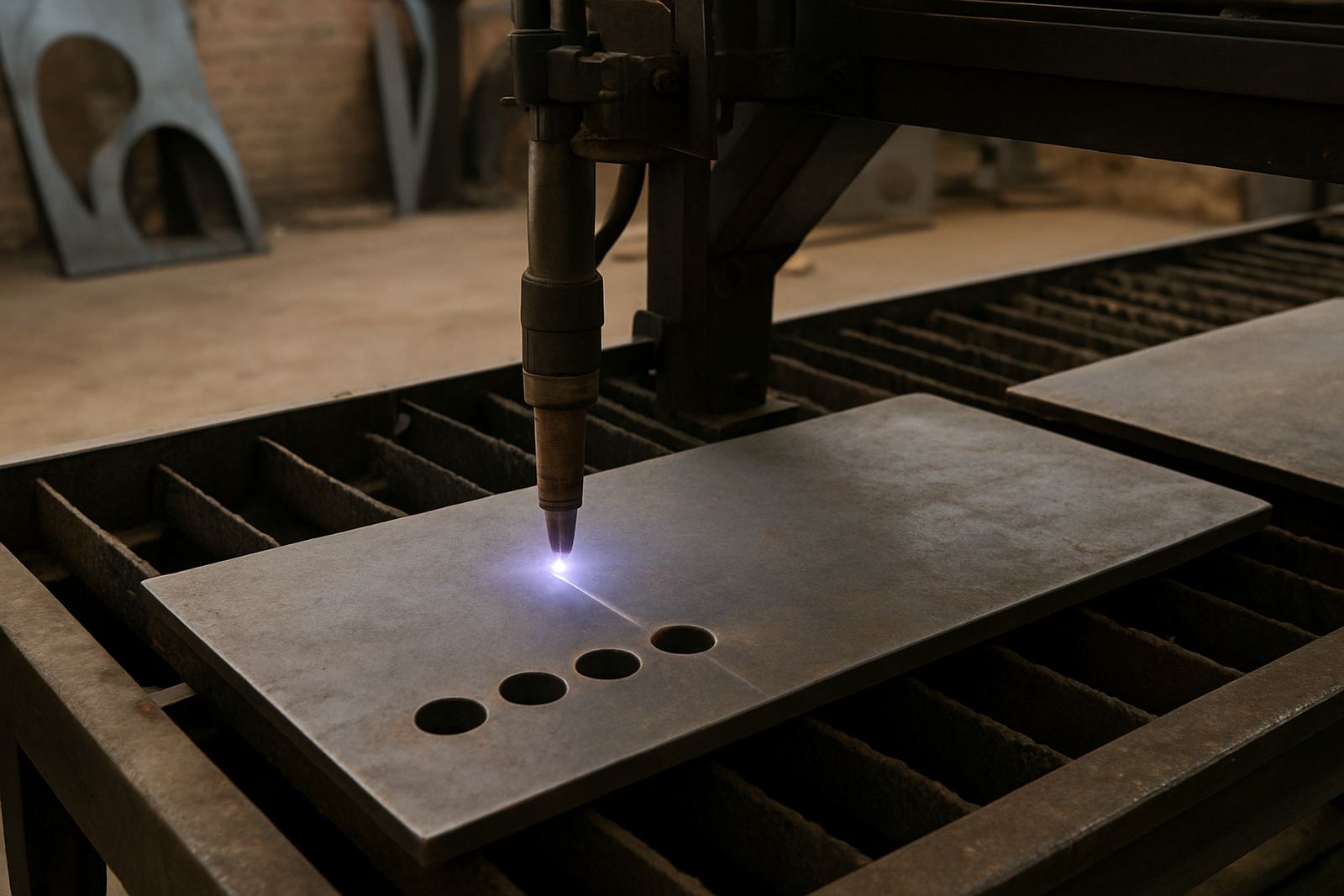
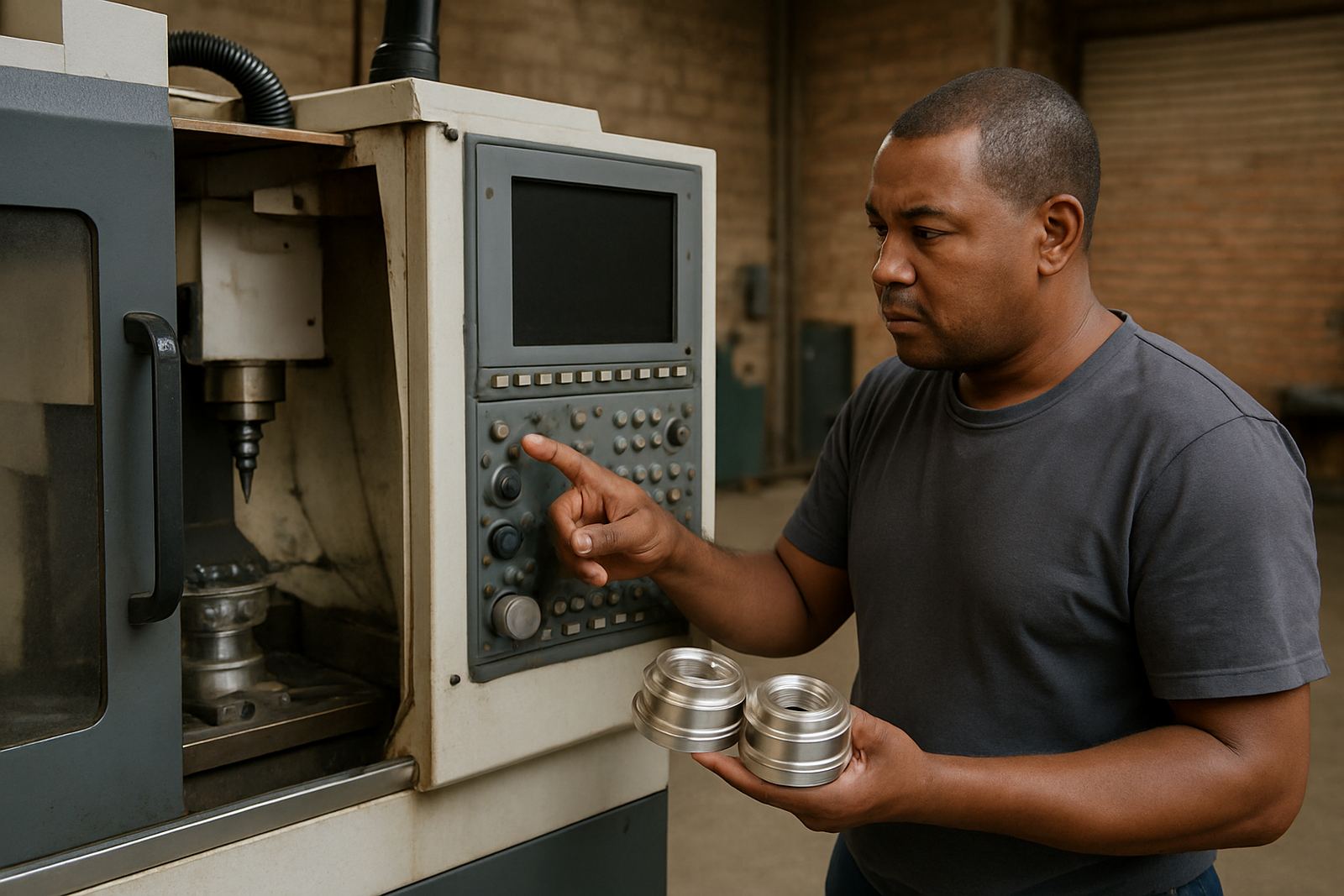
Good remnant use is not only about the size of the piece. It is also about matching the job to the machine. A sheet offcut with one clean edge may suit a routing job that needs nested parts and edge trimming, while a thick steel remnant may be ideal for a quick turning or milling setup. If your team knows what each machine can tolerate, they can choose the right remnant faster and with less waste.
In shops around Johannesburg and the East Rand, it is common to have mixed work coming in on the same day. One order may need aluminium brackets, another may need panel cut-outs and a third may need a single replacement part. Remnant tracking helps the programmer see what can be made from stock already on hand. That means fewer emergency buys and less waiting for deliveries when a municipal delay or load-shedding window interrupts the day.
Useful checks before assigning a remnant to a job:
- Will the part fit with enough trimming allowance?
- Is the surface clean enough for the finish required?
- Are there clamps, tool paths or heat issues to consider?
- Can the job be grouped with other similar parts?
Build Remnant Rules Into Quoting and Job Planning
Many shops buy full sheets too soon because the quoting process does not show what is already on the floor. If the estimator can see current remnants first, pricing becomes more accurate and material use improves. This is especially useful for recurring work where the same parts come back every month. A quick check of remnants before a purchase order goes out can save a fair bit of money over a quarter.
Set a simple rule: if a usable remnant exists, it must be reviewed before new stock is ordered. That does not mean every offcut must be used at any cost. If a remnant will create extra setup time, poor nesting or a weak grain direction, it may still be better to buy new material. The point is to make the decision with facts, not guesswork.
For owners, this also helps with cash flow. A pile of stored offcuts is not dead stock if it is measured and visible. It is working inventory. Keep a weekly review of remnants that are likely to suit common jobs, then flag pieces that should be used within the next two weeks before they become awkward to store or handle.
Train Operators to Think in Reuse, Not Scrap
Remnant tracking succeeds when operators see value in the offcuts they create. That means training should cover more than software buttons or machine start-up. It should explain how to measure, record and store remnants properly, and how to recognise when a cut-out can still be used. A small habit at the machine can save a full sheet purchase later.
At a training session in Vereeniging, one shop found that its operators were saving offcuts but not measuring the true usable area. After a few weeks of better measuring and tagging, they started using older remnants for small parts and machine trial pieces. The change was simple, but it reduced waste and made stock counts more honest. The same approach works whether the shop is in Cape Town, Durban or right here in Centurion.
Training points that help staff make better remnant choices:
- Measure the usable area, not just the outer size
- Note defects right away
- Store by thickness and material type
- Ask before scrapping anything unusual
- Review the remnant rack at shift handover
Use Monthly Reviews to Turn Old Offcuts Into Real Savings
A remnant system only pays off if someone reviews it. Set aside a short monthly check where the team looks at what is sitting in the rack, what has not moved, and what could be used in the next production run. This is also the right time to clear out anything that is no longer practical. A system that never gets cleaned up becomes harder to trust, and once trust is gone, staff stop looking at it.
The savings are not only in material. Better remnant use can reduce cutting time, limit rush purchases and cut down on storage clutter. It can also help with municipal waste rules, because fewer usable pieces go into the bin. For shops dealing with variable power supply, keeping shorter, quicker jobs ready from remnant stock can help the team stay productive when the day is broken into smaller machine windows.
If your shop wants to tighten the link between stock, programming and machine work, remnant tracking is one of the easiest places to start. It does not need a big system on day one. It needs clear rules, proper tagging and a team that knows where to look before ordering more material.