
Start With The Spoilboard Before Chasing More Vacuum
A router table cannot hold well through a damaged or uneven spoilboard. If the surface has grooves, drilled-through leaks, burn marks or old tape residue, air will take the easier route and the hold down drops fast. In many Centurion and Pretoria shops the first improvement is not a bigger pump but a proper skim cut on the spoilboard, then sealing the porous areas around the work zone.
Check the board for flatness across the full cutting area. If the centre is low by even 0,5 mm, smaller parts can lift at the edges, especially on thinner board or ply. In humid coastal conditions around Durban or Cape Town, MDF spoilboards can swell and lose consistency, so keeping a spare surfaced board ready can save a shift when the weather changes.
- Resurface spoilboards on a set schedule, not only when problems show up
- Seal unused zones and damaged screw holes
- Replace warped or water affected boards before they start causing scrap
Use Toolpaths That Keep The Part Loaded Correctly
Good hold down starts at the CAM stage. If a finishing pass or contour cut releases too much material too early, the part can move before the final cut is done. Leave tabs where needed, reduce aggressive climb cuts on small parts, and avoid cutting full profile depth in one pass on thin sheet if the job can be staged more safely.
For nested sheet work, lead-ins and cutter strategy matter. A part that is almost free while the last few fibres are still hanging on can shift and spoil the edge. Operators in Johannesburg often run mixed jobs all day, so it helps to build a simple rule set for when to use tabs, onion skin passes or full cut through. That keeps the shop from relying on memory alone.
- Keep small parts connected until the last safe pass
- Use onion skin passes on delicate sheet material
- Reduce sudden direction changes on tiny features
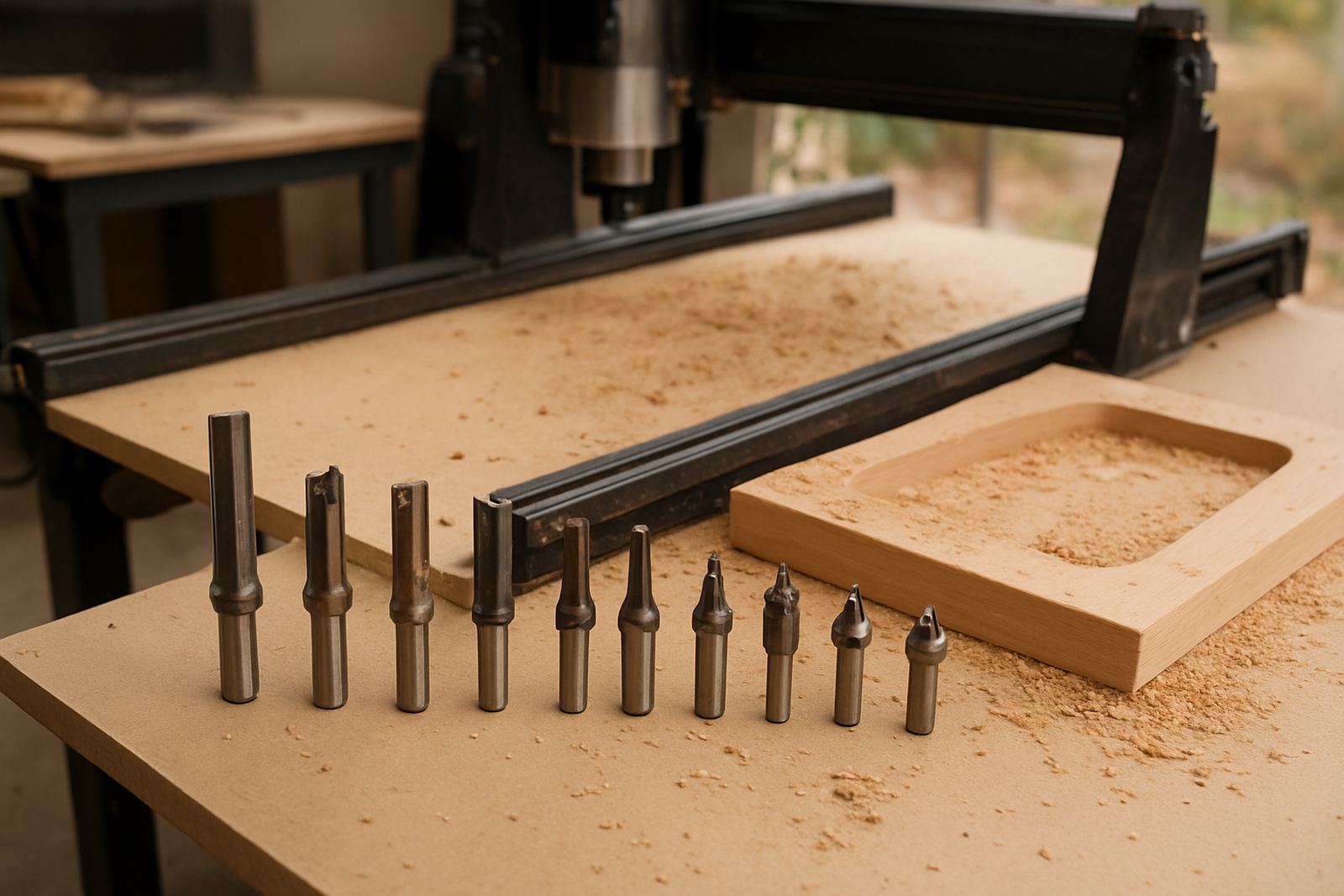
- Check cutter stick-out so the tool is not adding extra side load
Vacuum Zones And Gaskets Need Regular Attention
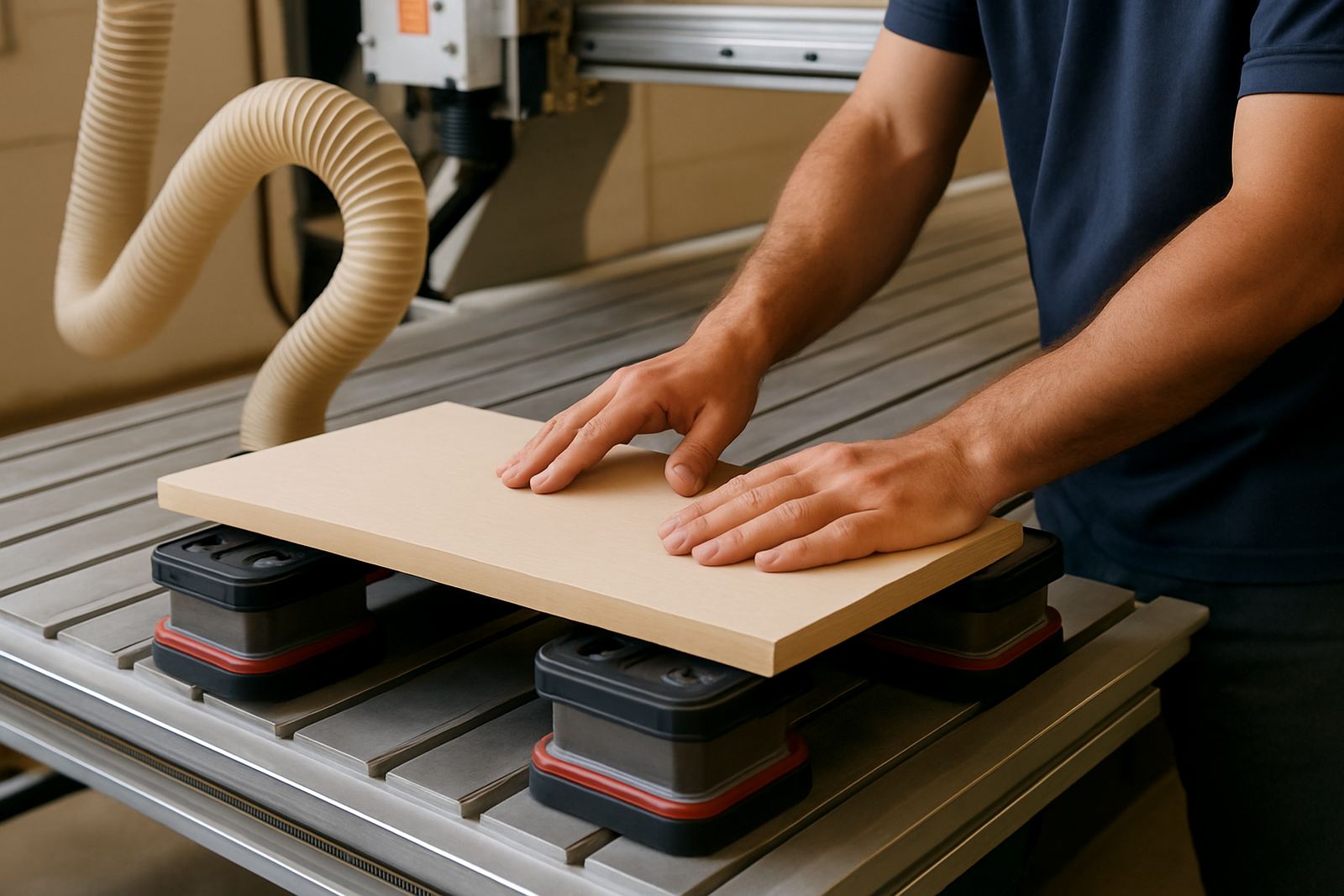
Vacuum tables work best when the active zone matches the job size. If the entire table is open for a small sheet, the pump is wasting effort on unused space. Close off unused zones wherever possible and inspect the gasket line for cracks, pinches or glue build-up. A small air leak can cause a big drop in grip.
On shops that cut both large boards and small offcuts, zoning discipline makes a real difference. A Vereeniging workshop doing cabinet parts one day and sign panels the next will see better results when the operator matches the table layout to the job rather than just pressing start. It sounds basic, but this is where a lot of movement starts. Sometimes a shop thinks it needs more pump capacity, when it actually needs better zoning and fewer leaks.
- Close zones that are not under the workpiece
- Keep gasket channels clean from dust and chips
- Inspect pipework, valves and fittings for air leaks
- Test hold down with a simple hand check before cutting the first part
Material Type Changes The Grip You Can Expect
Not all sheet behaves the same on a vacuum table. Smooth MDF, melamine faced board, acrylic and plywood each respond differently. Porous material can leak vacuum through the edge, while smooth sheet may hold well only if the spoilboard is flat and clean. Thin material often needs more support, not just more suction.
If your shop works with panels from local suppliers, check the material on arrival. Warped boards, bowed ply and sheets with surface contamination all reduce hold down confidence. In coastal areas, material can pick up moisture during transport or storage, which changes the way it sits on the table. Leave stock to acclimatise in the shop before cutting when you can, especially after rain or a cold load on the truck.
- Sort material by thickness and flatness before nesting
- Do not expect the same setup to suit every board type
- Store sheet goods off the floor and away from damp walls
Operator Habits Matter More Than Most Shops Admit
Even with good hardware, a rushed setup can undo the whole job. Chips left under the sheet, a loose clamp on a corner, or the wrong start sequence can create movement before the first cut is made. The best shops build a repeatable routine that every operator follows, whether they are cutting in Pretoria or running a second shift in Cape Town.
A simple checklist works well. It does not need to be fancy. It just needs to happen every time, especially after load-shedding or a power dip when machines are restarted and settings can be overlooked. One missed step can turn a clean nest into scrap and wasted material.
- Clean the table and sheet underside before loading
- Confirm the right vacuum zones are active
- Check the first tool path with the spindle above the material before committing
- Do a quick tap test on the sheet edges after loading
A Centurion Example: Better Hold Down Without Buying New Hardware
One Centurion-based cabinetry shop had recurring lift on narrow cut-outs, mostly on weekday runs when the table was loaded with mixed parts. They were looking at a bigger pump, but the real issue was a worn spoilboard, open vacuum zones and a profile strategy that released parts too early. After resurfacing the board, closing unused zones and changing the cut order, movement dropped sharply.
The team also tightened its pre-start routine. Chips were cleared, the sheet was checked for bow, and small parts were left attached until the final pass. The result was less rework, cleaner edges and more confidence when running full nests. The owner did not need a major capital spend, just a more disciplined setup and a bit of training for the operators.
That is usually the point with router hold down. It is rarely one magic fix. Better results come from a few practical changes working together, and those changes are well within reach for most South African shops.
What To Review When Parts Still Move
If a job is still lifting after the basics are in place, step back and review the whole system. Pressure, leakage, table flatness, tooling and operator sequence all need to line up. A shop can spend weeks blaming the vacuum pump when the real problem is a cracked gasket and a dull cutter pulling the part sideways.
Use this short review list before the next run:
- Spoilboard resurfaced and sealed
- Vacuum zones matched to the job size
- Material flat, dry and clean
- Toolpath leaves support until the final stage
- Operators using the same loading routine every time
When those five points are right, cutting confidence goes up fast. The machine feels steadier, the finish improves and the team spends less time redoing parts.