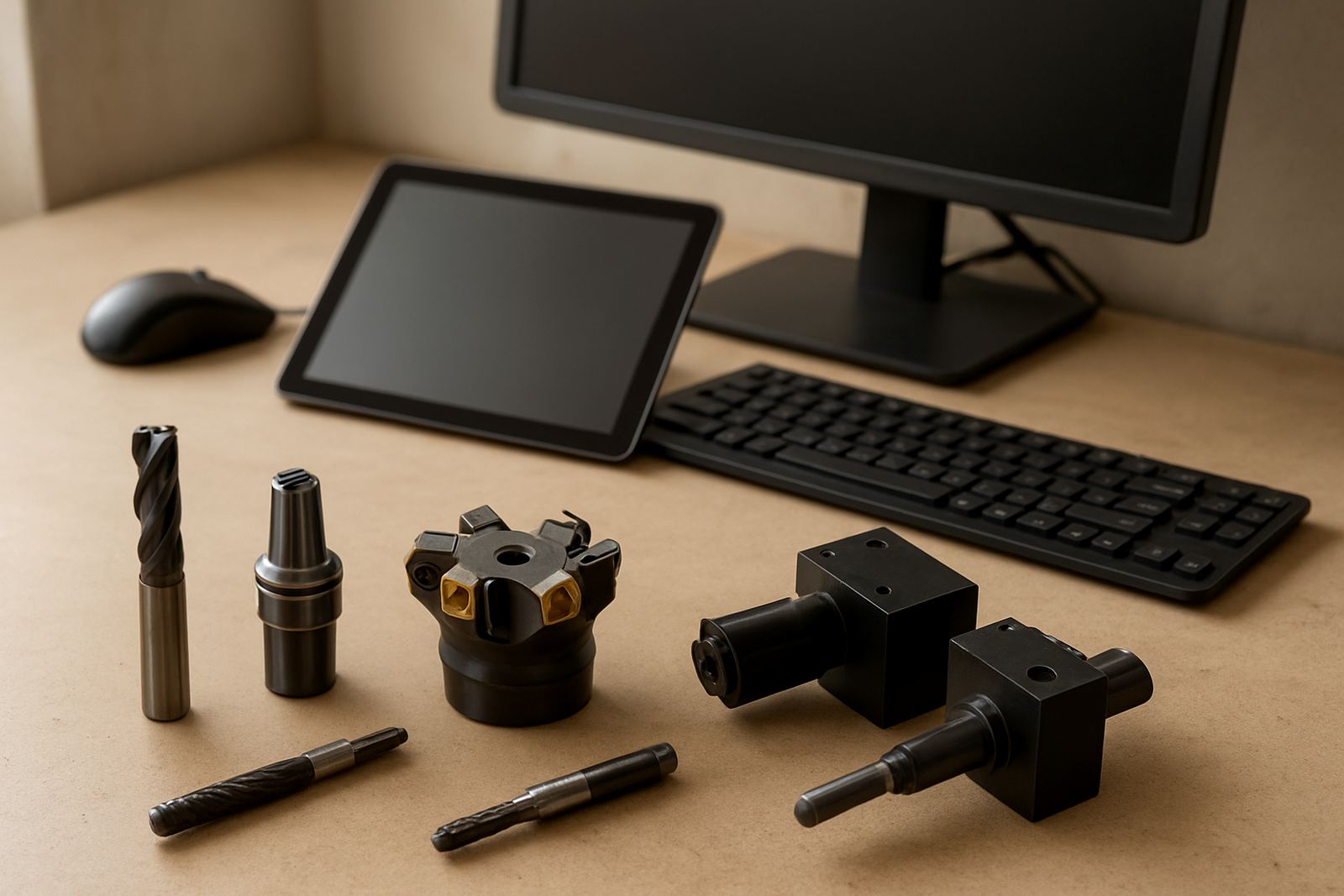
What a tool library build includes
A proper tool library is more than a list of cutters. We organise your tools into a structure that operators can trust, with clear tool names, sizes, holder details, offsets, feeds and speeds, plus notes for material type and roughing or finishing use. That means less guessing on the shop floor and fewer changes when the next shift takes over. It also helps if you run the same parts on different machines in Pretoria, Johannesburg or Cape Town, because the tool data stays consistent.
- Standard naming for tools, holders and assemblies
- Tool diameter, flute count, stickout and holder details
- Feeds, speeds, stepdown and stepover values
- Material groups such as aluminium, mild steel, acrylic and hardwood
- Notes for coolant, chip clearing and finish quality
How we build the library
We start by checking what you already use on the floor and what you actually want to standardise. Some shops have 40 cutters but only 18 that get used every week, so we focus on the tools that matter first. From there we clean up duplicates, fix naming and create a structure that is easy for programmers and operators to follow. We can work from existing machine data, spreadsheets, screenshots or a live session at your site.
- Review of your current tool list and machine setup
- Mapping by machine type, spindle range and workholding
- Creation of naming rules and tool groupings
- Validation of feeds and speeds against your materials
- Import or manual build, depending on the software version in use
If you run mixed work, for example router jobs in the morning and light milling in the afternoon, we can split the library into job families so the right tools appear quickly. That saves time at the control and helps avoid picking the wrong cutter, which is a common issue on busy shops with load-shedding interruptions and job changes halfway through the week.
Details we capture for each tool
We capture the practical data that operators need on a real job, not just a catalogue description. Where possible we also add tool life notes and regrind flags so the library stays useful after the first batch of parts has gone through. This is especially helpful in Gauteng shops where machines may be shared across multiple operators and shifts.
- Tool number and alias names used by your team
- Diameter, overall length and flute length
- Holder type, gauge length and probe-safe notes
- Recommended spindle range and feed per tooth
- Typical use case, finish quality and material limits
- Inspection notes for wear, regrind or replacement
We can also include plasma consumable definitions where the setup uses cut charts and process notes tied to thickness bands. For turning shops, that may mean a clean tool family for roughers, finishers, grooving tools and thread tools, with insert grades and nose radius information kept in one place instead of scattered across notebooks and shared folders.
Turnaround and pricing approach
Tool library builds are done once we have the source information and access to the machine environment. A small shop with one router and a tight tool list needs less work, while a multi-machine site with several programmers and a large cutter list needs more checking. We quote based on the number of machines, the number of tools to be standardised and whether we are building from scratch or cleaning up a messy existing library.
Pricing is usually a fixed project fee for a defined scope, with extra time billed only if the brief changes or the machine list grows after sign-off. If your team needs us on site in Centurion, Durban or Cape Town, travel and time are handled clearly before the job starts. There are no surprises later, just a proper scope and a clear handover.
Maintenance and update intervals
A tool library is not a once-off file that you forget about. New cutters come in, old tools get replaced and feeds change when materials or machine condition changes. We recommend a review every 3 to 6 months for active shops, or sooner if you have added a new machine, changed spindle speed ranges or started cutting new material grades. Shops with high variation may need a monthly tidy-up, especially where multiple programmers are adding tools on the fly.
- Quarterly review for most production shops
- Monthly checks for high-mix or multi-shift environments
- Immediate update after machine onboarding or major tooling changes
- Revalidation after toolholder replacement or spindle work
We can also set up a simple maintenance log so your team knows who approved the last change and when it was done. That keeps the library current and reduces the chance of an operator using an outdated cutter setup. Small thing, big difference.
Support for training and rollout
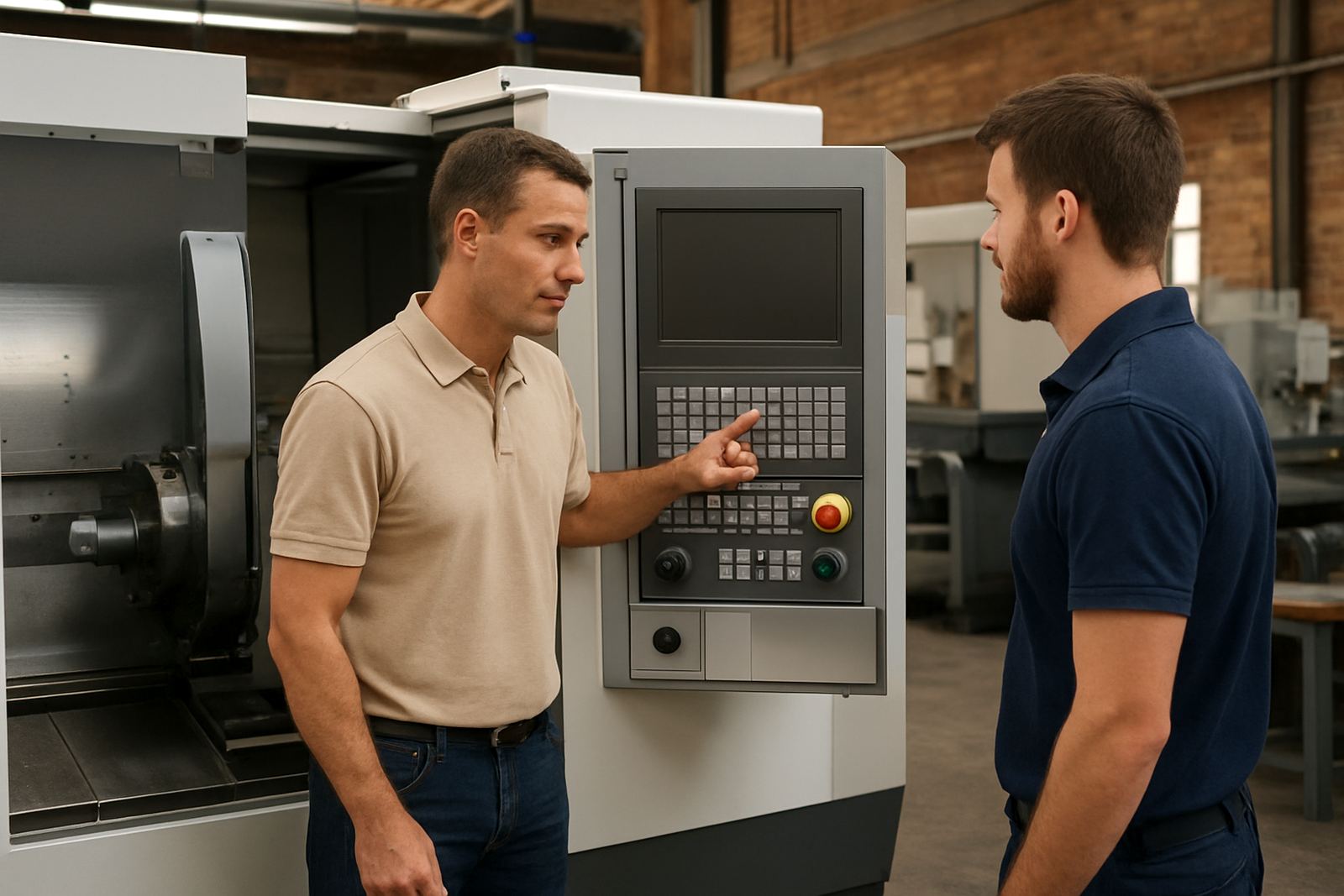
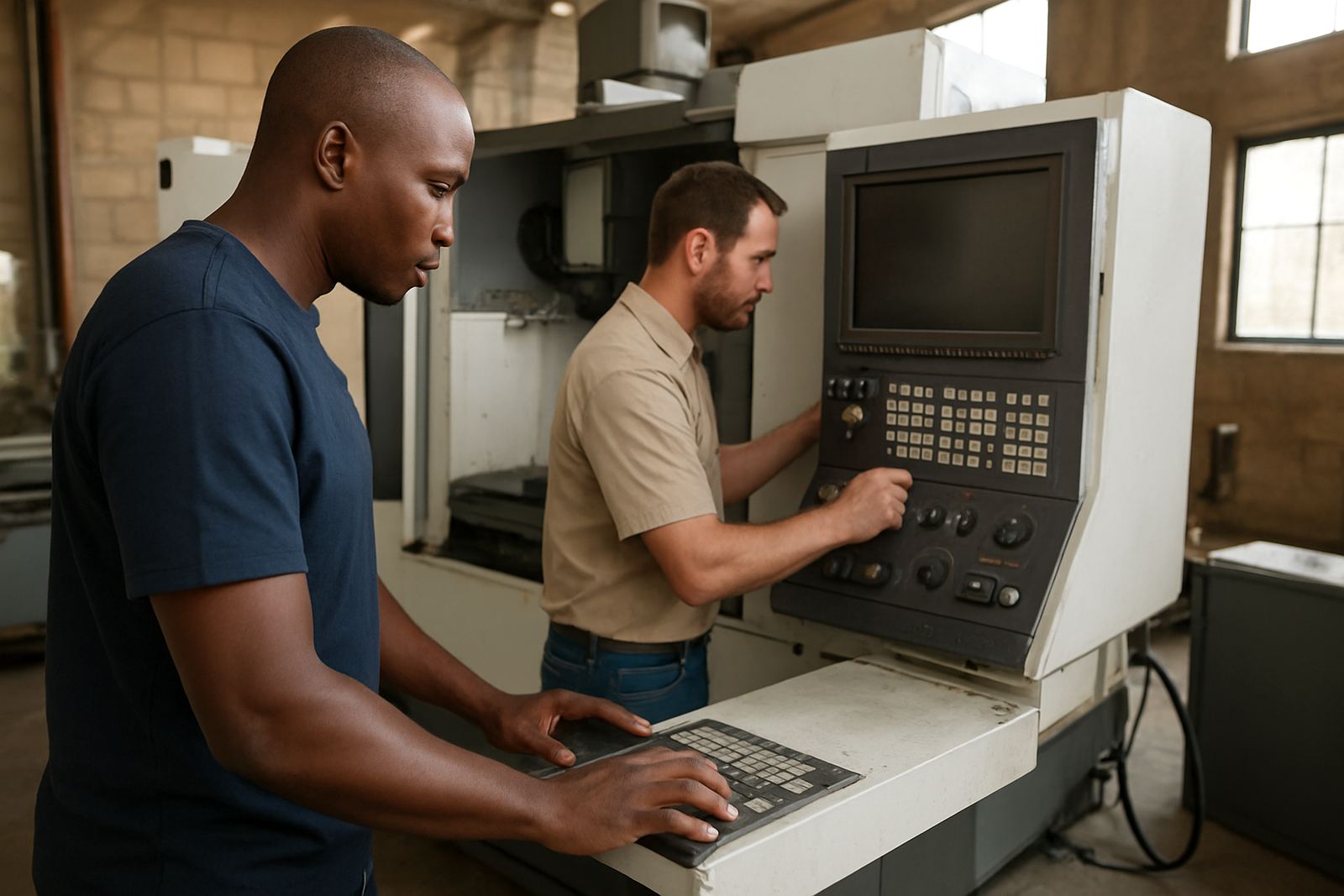
Once the library is ready, we can train programmers and operators on how to use it properly. That includes how to select the correct tool, read the naming structure, check offsets and spot unsafe combinations before the job starts. For new teams or expanding workshops, this is often where the value shows up fastest because the library only works well when everyone uses it the same way.
We support CNC routing, milling, turning and plasma shops across South Africa, with practical rollout sessions in Pretoria, Johannesburg, Vereeniging, Durban, Cape Town and the East Rand. If your team prefers remote support, we can step through the file structure live and help make the first jobs run cleanly. The goal is simple: less confusion, fewer wasted tools, and a repeatable process your team can rely on.
Key facts
| Typical turnaround | 3 to 10 working days after source data is received |
|---|---|
| Scope | Routing, milling, turning and plasma tool libraries |
| Deliverables | Named tool groups, feeds, speeds, holder data and notes |
| Pricing basis | Fixed project fee based on machine count and tool volume |
| Review interval | Every 3 to 6 months, or after machine and tooling changes |
| Support format | On site in South Africa or remote session by arrangement |