
What Owner Training Covers
This training is practical and commercially focused. We sit with the owner or production manager and work through the numbers, the workflow and the real pressure points that slow a shop down. That usually includes how to price work properly, how to compare quoted time to actual machine time, and how to keep operators and programmers working to one process instead of three different versions.
The content is adapted to the shop floor and the machines in use. A routing business cutting boards in Centurion has different needs from a milling shop in Pretoria or a plasma jobbing shop in Durban. We cover the controls that matter for a business owner, including file handover, setup approval, machine utilisation, job tracking and the basics of post output so you can see what is really happening before the job goes wrong.
- Quoting structure and time estimation
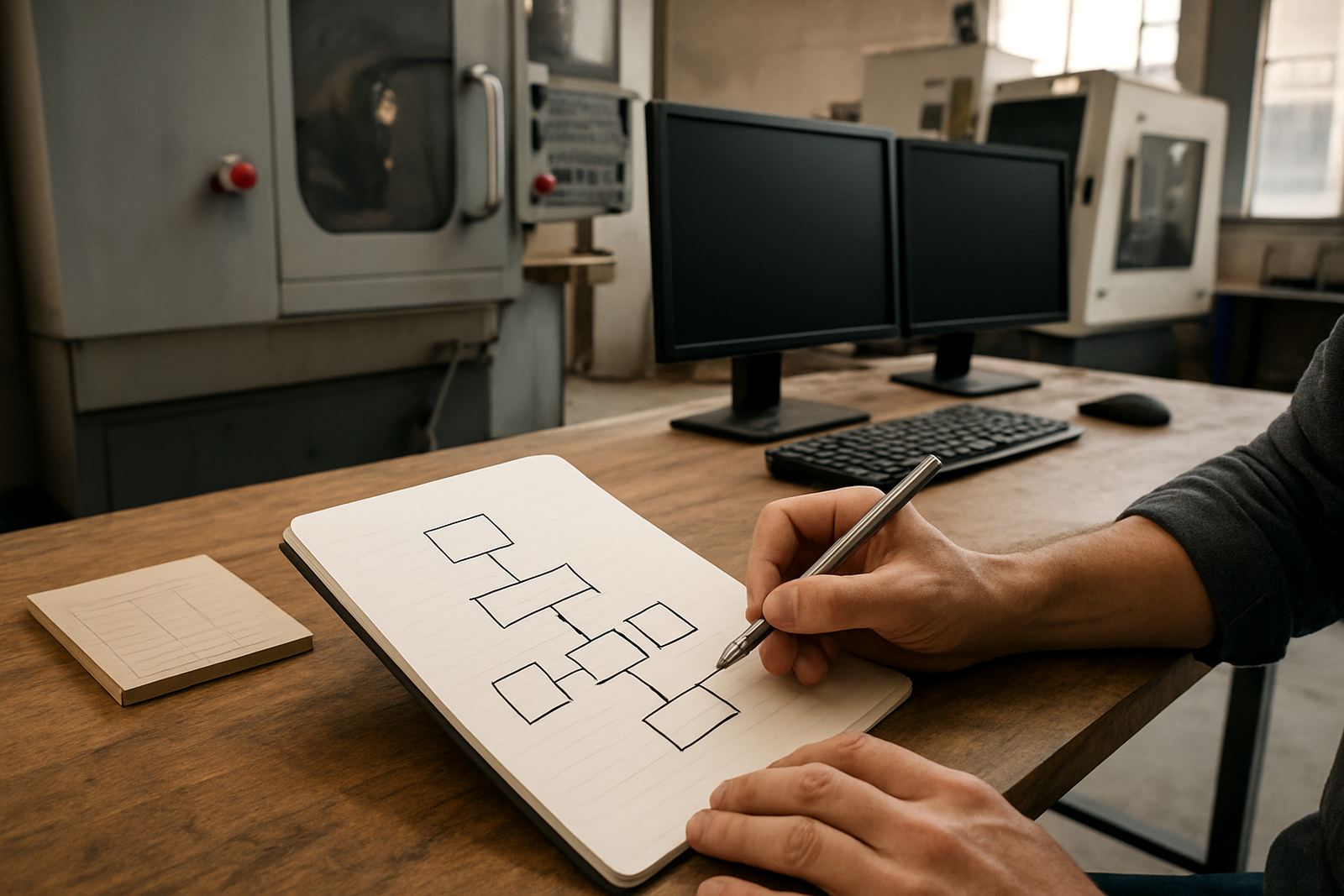
- Workflow oversight from drawing to finished part
- Machine downtime planning around load-shedding
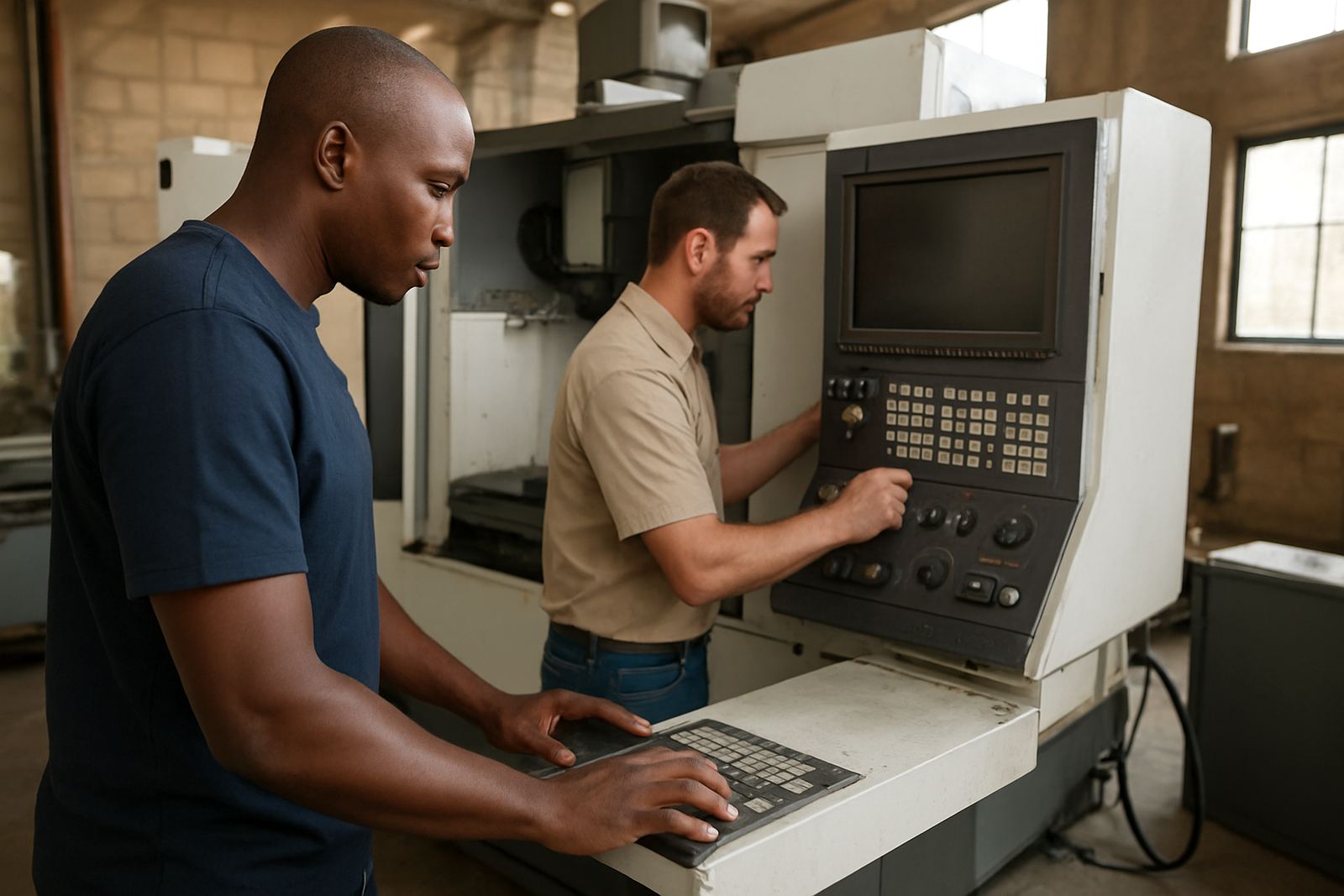
- Operator sign-off and job release checks
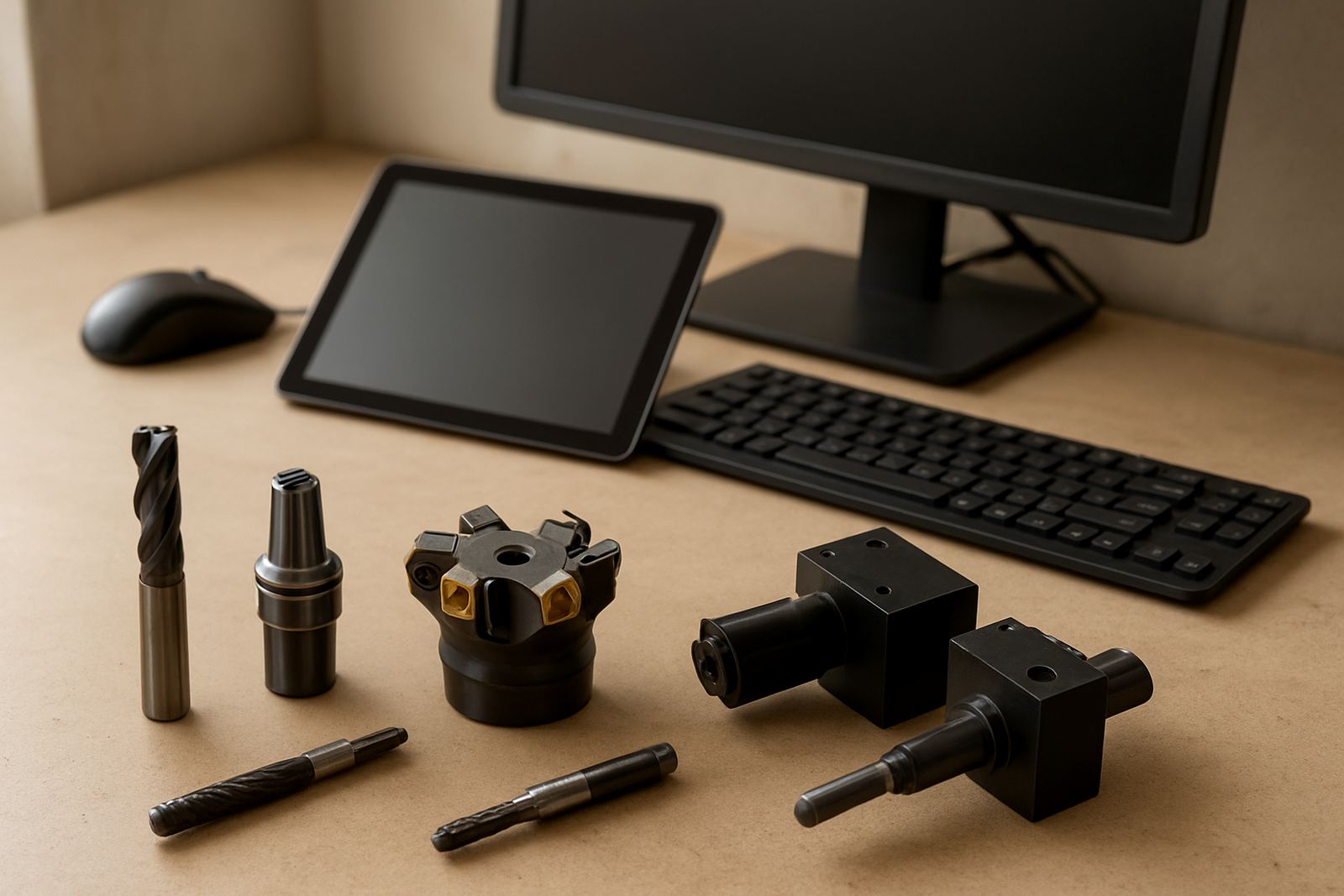
- Basic post-processor review for business owners
How We Run The Training Day
We start with a short pre-session call or questionnaire so the training is relevant to your shop size, software setup and machine mix. On the day, we work from your own examples where possible, such as a cabinet part, a mould insert, a turning cycle or a plasma nest. That makes the numbers easier to follow and gives you something useful to keep afterwards.
Most sessions are delivered on-site in Gauteng, KwaZulu-Natal and the Western Cape, with remote sessions available where travel is not practical. For shops with more than one owner or manager, we can split the day into business controls in the morning and production oversight in the afternoon. The aim is not to overload you with theory. It is to make sure you can ask the right questions and catch bad habits early, especially when deadlines are tight and the team is trying to catch up after a power interruption or municipal stop-start on the supply side.
- Pre-session review of machines, software and current workflow
- Training using your own parts, quotes and job sheets where possible
- On-site or remote delivery depending on location and urgency
- Practical notes for follow-up use by management
What A Shop Owner Takes Away
Owners usually need three things from training: clarity, control and consistency. By the end of the session you should be able to understand why a job is priced at a certain level, what affects cycle time, and where hidden losses creep in. That includes tool changes, setup resets, rework, poor nesting or poor fixturing, plus the cost of idle time when the machine is waiting for data or for the next approval.
We also cover oversight habits that keep the business steady. That means checking that post output matches the machine, making sure operators are following the same file naming rules, and setting a simple approval path for first-off parts. In coastal areas like Durban and Cape Town, we will also discuss humidity, storage and corrosion risk for tooling and machines. In inland shops, dust, heat and power quality can be bigger issues. Good management needs to account for all of it.
- Better quoting confidence
- Clearer production oversight
- Improved machine utilisation
- Reduced rework and wasted material
- Simple rules the whole team can follow
Turnaround, Scope And Maintenance Intervals
Scheduling depends on your location, the number of machines and how much preparation is needed before we arrive. A standard owner training session is arranged once the scope is confirmed. If you need help before a new machine goes live, we can prioritise onboarding and training together so the owner sees the full process from day one.
For maintenance, we recommend a review every 6 to 12 months, or sooner if you add a new machine, change your software version, or shift from routing into milling or plasma work. Shops with several programmers or multiple sites often need a refresh sooner than they expect. A short review every six months keeps the business aligned and helps avoid the usual drift where each person starts following their own method, which is where mistakes creep in.
- Initial session usually booked within a few working days
- 6 month review for busy or growing shops
- 12 month review for stable single-site operations
- Earlier review after new machine installation or major workflow changes
Pricing Approach For Business Owners
Pricing is quoted according to scope, travel, number of attendees and whether the session is on-site or remote. We do not treat owner training as a generic classroom day because the value is in the detail. A small shop in Vereeniging with one CNC router will not need the same depth as a multi-machine operation in Johannesburg or Cape Town with separate quoting and programming staff.
Where possible, we build the session around one commercial goal, such as improving margins on repeat work, reducing setup time, or making sure the owner can read job costings properly. That keeps the training practical and avoids paying for topics you do not need. If the work requires travel, overnight stays or work outside normal hours, that is priced clearly upfront. No surprise extras, no vague line items.
- Quoted by scope, location and session length
- Separate pricing for extra attendees or extra machines
- Remote sessions priced differently from on-site sessions
- Travel and accommodation itemised where needed
When Owner Training Makes The Most Difference
This service is especially useful when a business is growing, changing software, or struggling with inconsistent output. Owners often know that the shop is busy but not where the profit is slipping away. Training gives you a better grip on what the machine time is worth, how the jobs move through the shop, and how to keep the team accountable without slowing production.
It also helps when the owner is not on the machine every day. If you are managing multiple towns or a second site, or you only visit the shop a few times a week, you need a simple way to check whether the job on the screen is the same as the job on the floor. We help set that up in plain terms so the business can keep moving even if power cuts, supplier delays or municipal disruptions interrupt the normal rhythm.
Our Centurion base supports businesses across Pretoria, Johannesburg, East Rand, West Rand, Durban and Cape Town, with training that fits the way South African shops actually work. If your goal is better oversight without adding confusion, this is the right starting point.
Key facts
| Training format | On-site or remote, depending on scope and location |
|---|---|
| Audience | Owner, managing director, production manager or senior supervisor |
| Machine types | Routing, milling, turning and plasma |
| Typical session length | Half-day or full-day, with follow-up options |
| Review interval | Every 6 to 12 months, or after major workflow changes |
| Service area | Centurion, Pretoria, Johannesburg, Vereeniging, Durban, Cape Town and surrounding industrial areas |