Machine-Specific Post Development For Cleaner Output
Custom post processors are built to match the way your machine actually reads code, not just the way the CAM package wants to send it. That matters when you are running production with tight changeovers, mixed tooling, and operators who need reliable output on every shift. CNC Software develops post processors for CNC routing, milling, turning and plasma applications, with settings aligned to your controller, kinematics, tool change method, axis limits and format preferences.
The goal is simple. Fewer manual edits at the control, fewer surprises on the first dry run, and fewer delays when a job moves from office to machine. We work from your machine data, sample jobs and current output, then adjust the post to suit how your shop actually works, whether you are cutting MDF in Pretoria, aluminium in Johannesburg or running sheet metal jobs in Durban.
- Single machine or multi machine post development
- Support for router, mill, lathe and plasma output
- Cleaner line structure, safer start blocks and predictable tool calls
- Format changes for feeds, speeds, units, comments and program numbering
What Is Included In The Service
Every post assignment starts with a structured review of your machine, controller and typical parts. We check the output from your current CAM workflow, look at the edits your operators are making, and identify where the code can be improved. That may include toolchange lines, spindle start and stop logic, coolant control, homing moves, subprogram use, work offsets, probing calls and safe retract behaviour.
We also assist with post settings that affect daily use, such as metric or imperial output, line numbering, comments, feed formats, rotary axis limits and output naming. If your shop runs on municipal power interruptions or generator backup, we can include restart friendly formatting and safer header logic so the machine comes back into cycle with less risk after a stoppage.
- Machine and controller review
- Post build or post tuning based on your current software setup
- Test output from sample parts
- Revision round after shop feedback
- Installation guidance and operator handover notes
Our Development Process From Sample Part To Release
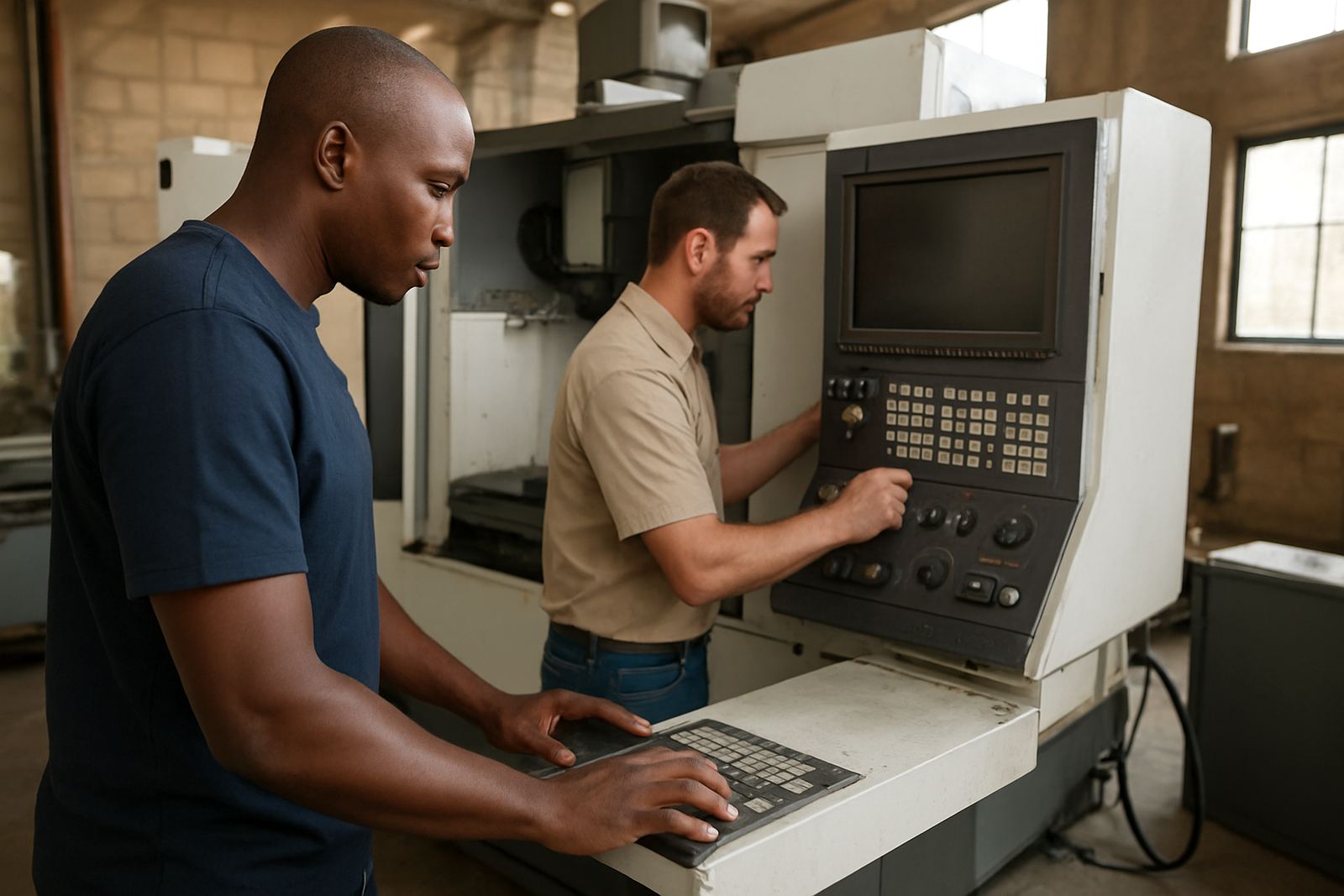
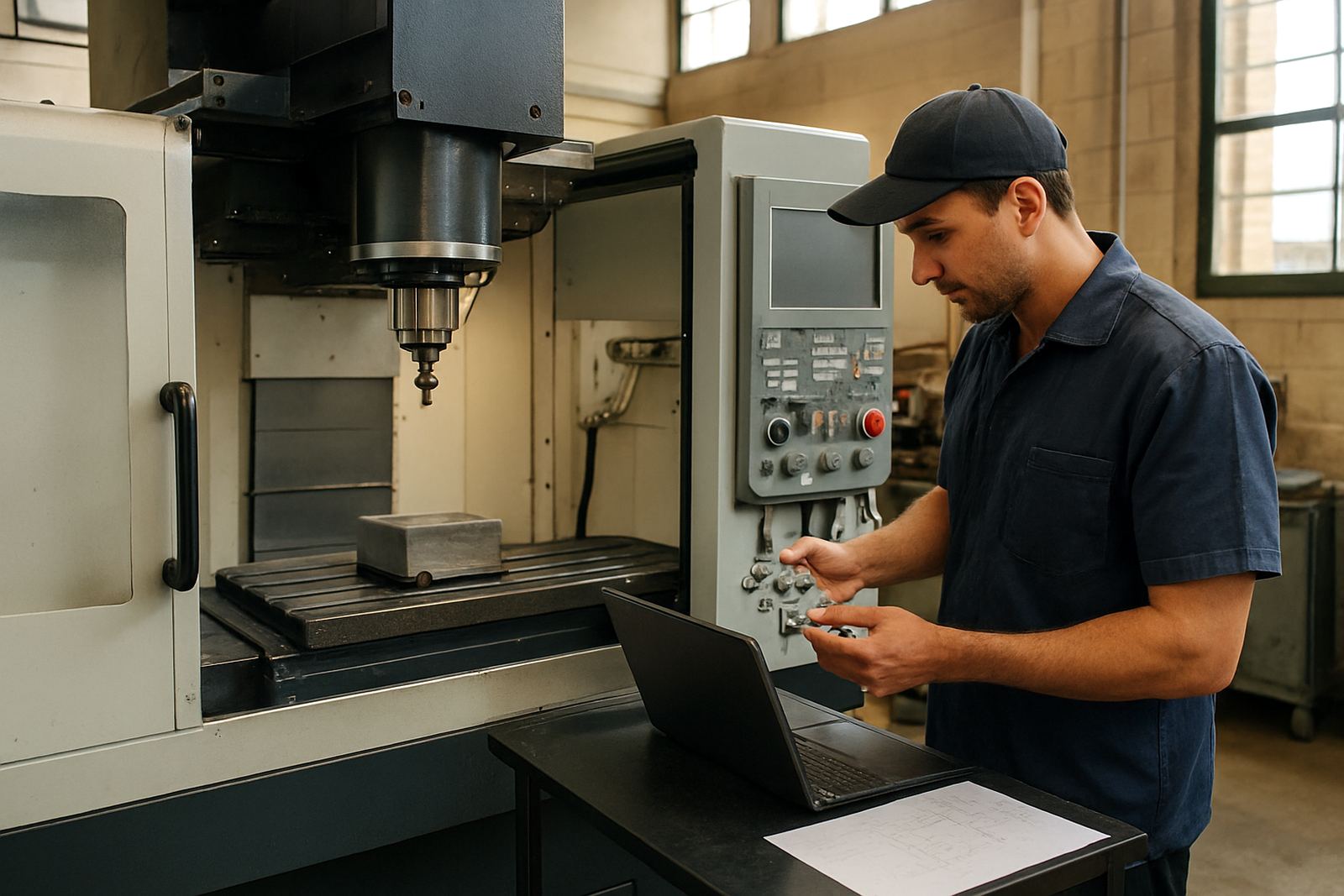
We keep the process practical and traceable. First, we collect machine details, controller type, sample NC files and a short description of the parts you produce most often. Next, Tiaan and the applications team review the toolpath behaviour and the machine constraints. If needed, we request a short video or a photo of the control screen, spindle head, turret, or plasma torch setup so the output can be matched to the real machine.
After the draft post is prepared, we test output against your sample parts and compare it to the expected machine motion. We then refine any settings that affect safety or cycle consistency. Most clients prefer to validate the first few jobs on site or during a remote session, especially when there are multiple operators or night shift handovers.
- Step 1: Machine and workflow intake
- Step 2: Post draft and first test files
- Step 3: Shop feedback and revision
- Step 4: Final handover with usage notes
Turnaround Times And Pricing Approach
Turnaround depends on the complexity of the machine, the controller, and how much custom logic is needed. A straightforward post tweak for an existing setup may be completed after all information is received. A full custom post for a new machine or unusual motion pattern can take longer, especially if we need to review multiple sample jobs or test with a live machine in Centurion, Vereeniging, East Rand or West Rand.
Our pricing is quoted according to scope, not guesswork. That means you pay for the work the post actually needs, whether it is a light tune-up, a fresh post, or a more detailed rebuild with supporting training. We are upfront when a job needs extra testing, because a post that saves time on every part is better than a quick fix that creates faults later.
- Simple post tuning: lower scope, faster turnaround
- Full custom build: quoted after machine review
- Optional on-site commissioning and first-job support
- Annual support plans available for shops that want ongoing changes
Maintenance And Ongoing Updates
Post processors should not be treated as a once-off file and forgotten. Machines get retrofitted, controllers are replaced, tooling changes and the way a shop programs can shift over time. We recommend a review whenever you change controller firmware, add a rotary axis, alter probe routines, change tool changer logic or move from prototype work to batch production.
For most busy shops, a maintenance interval every 6 to 12 months works well. That gives us a chance to check for output drift, tighten formatting, and confirm that the post still matches the current machine. If your operation runs in coastal humidity in Durban or Cape Town, we also keep an eye on how operators are storing output files and backups, because moisture and poor file control can cause avoidable headaches.
- 6 to 12 month post review interval
- Update after machine retrofits or control changes
- Backup copies for version control
- Support for shops with multiple programmers or shifts
Who Benefits Most From A Custom Post
This service is ideal for shops that want less hand editing and more repeatable output. It is especially useful where a machine is new to the workshop, where imported sample files need local adjustment, or where one post must support several machine variants. We also help businesses that have grown from one machine to several, and now need code that behaves consistently across different controllers and operators.
Our Centurion base supports clients across Pretoria, Johannesburg, Durban, Cape Town and surrounding industrial areas. If you are managing a production floor with tight delivery dates, load-shedding, shared tooling, or new staff on the controls, a well set post saves time every single week. Ompha, Tiaan, Phenyo, Farieda, Mthunzi and Vanisha work together so the post is not just technically correct but workable for the people using it day to day.
- Routing shops needing safer header and footer logic
- Milling and turning shops with custom offsets or tool calls
- Plasma shops needing clean pierce and lead-in behaviour
- Businesses wanting fewer machine-side corrections
Key facts
| Service scope | Custom post processors for CNC routing, milling, turning and plasma |
|---|---|
| Delivery format | Configured output files and supporting setup notes |
| Turnaround | Typically 2 to 5 working days for simple changes, longer for full builds |
| Pricing | Quoted to scope after machine review and sample file assessment |
| Maintenance interval | Recommended review every 6 to 12 months |
| Support mode | Remote troubleshooting, on-site commissioning and follow-up revisions available |