What First Job Support Covers
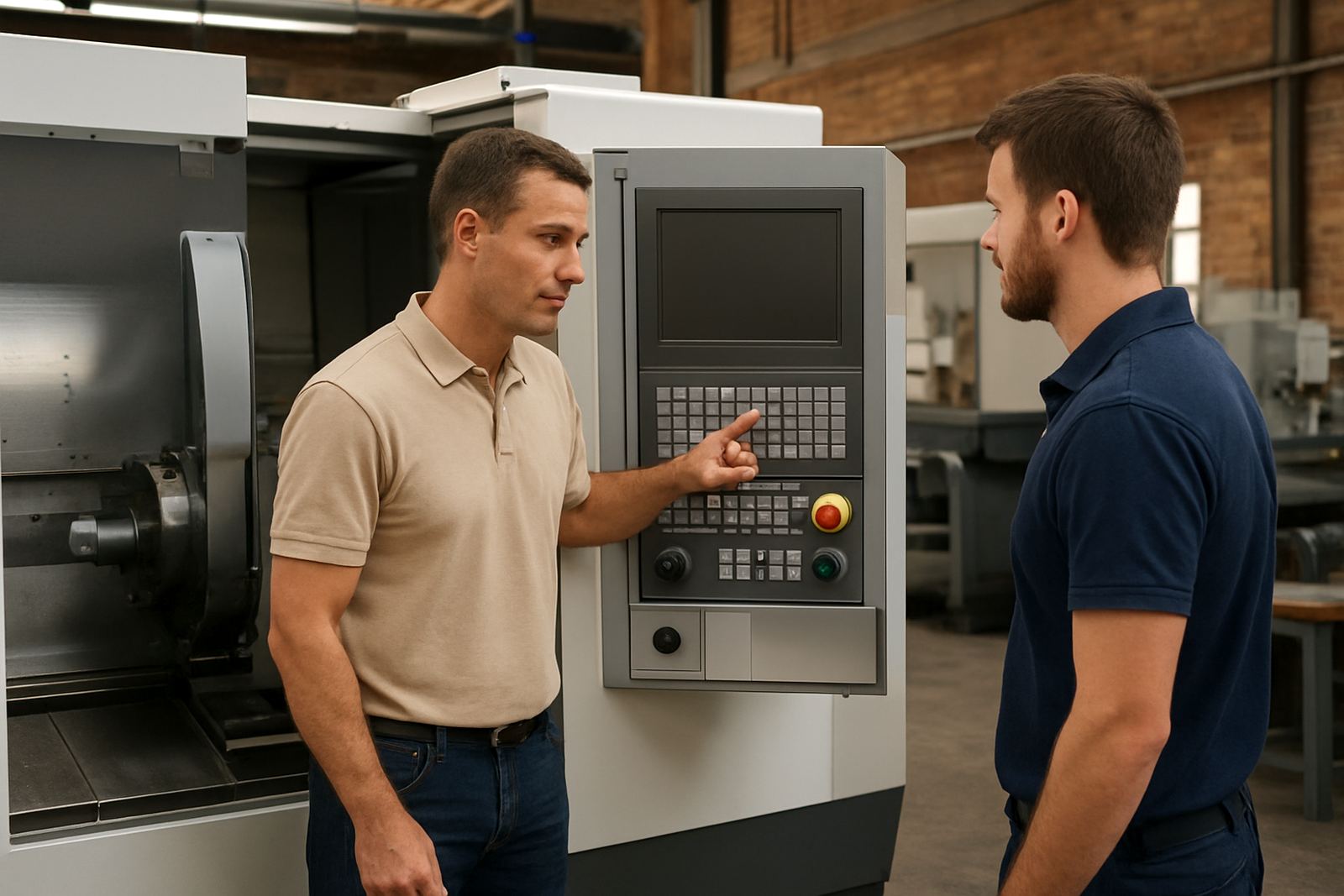
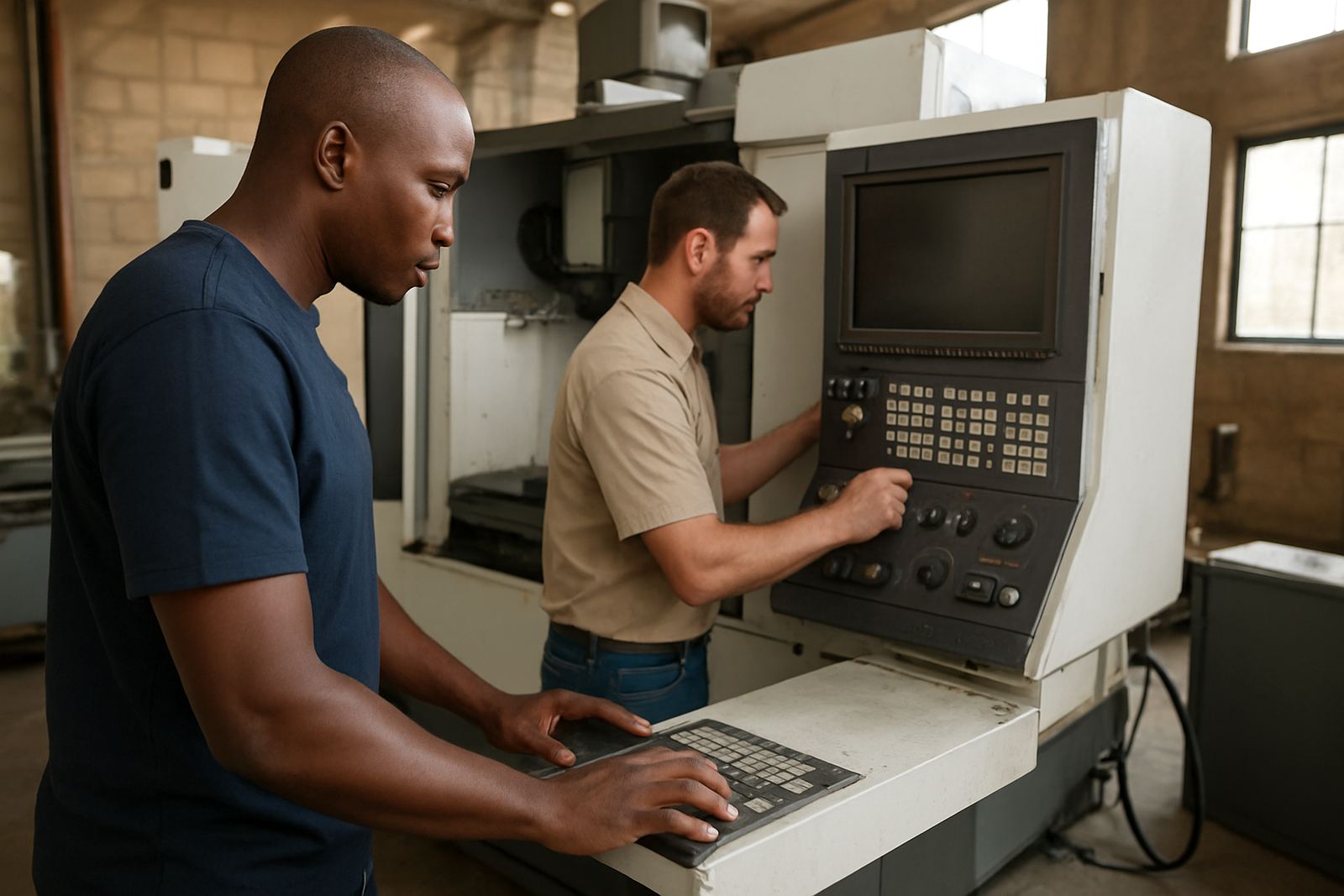
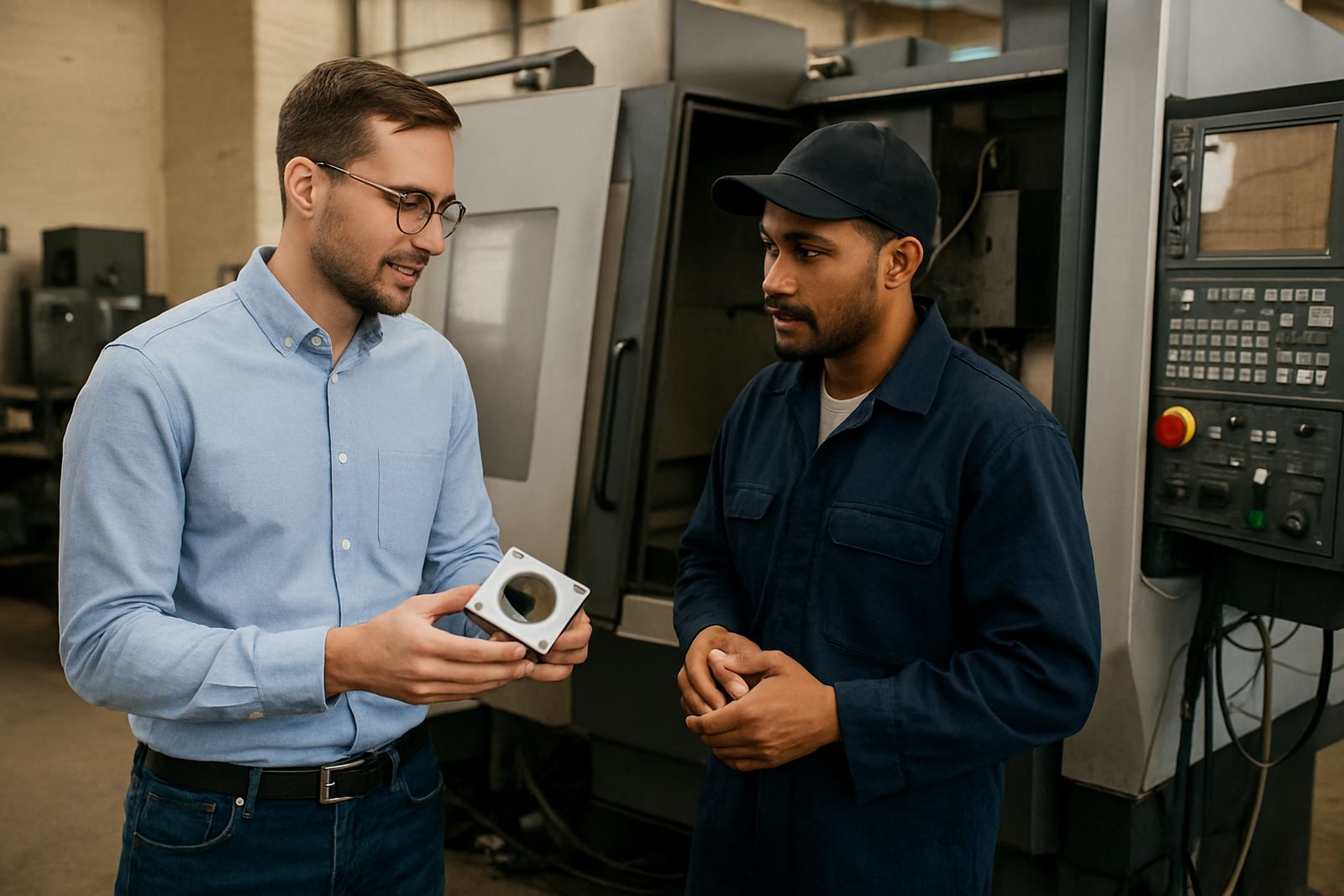
First Job Support is hands-on help for the first part that matters on a new job, whether you are routing, milling, turning or cutting plasma. We work with your programmer, operator and production lead to check the drawing, confirm material, set up the CAM output, load the program and watch the first cycle through to the first approved component. If the job needs small corrections on feeds, speeds, tool choice or workholding, we stay with it and document the changes so the next run is cleaner and faster.
This service is useful for CNC shops in Pretoria, Johannesburg, Vereeniging, Durban, Cape Town and the surrounding areas where machine time is tight and scrap is costly. It also helps when a new staff member is running a machine for the first time, or when a new material, fixture or toolpath is being introduced. The aim is simple: fewer surprises, less wasted stock, and a proper handover to your own team.
- Drawing and job file check before the run
- Toolpath review and machine-safe output check
- Setup guidance for fixtures, offsets and work zeros
- Live support through the first cut, pass or cycle
- First approved component sign-off and notes for future runs
How We Work From File to First Approved Part
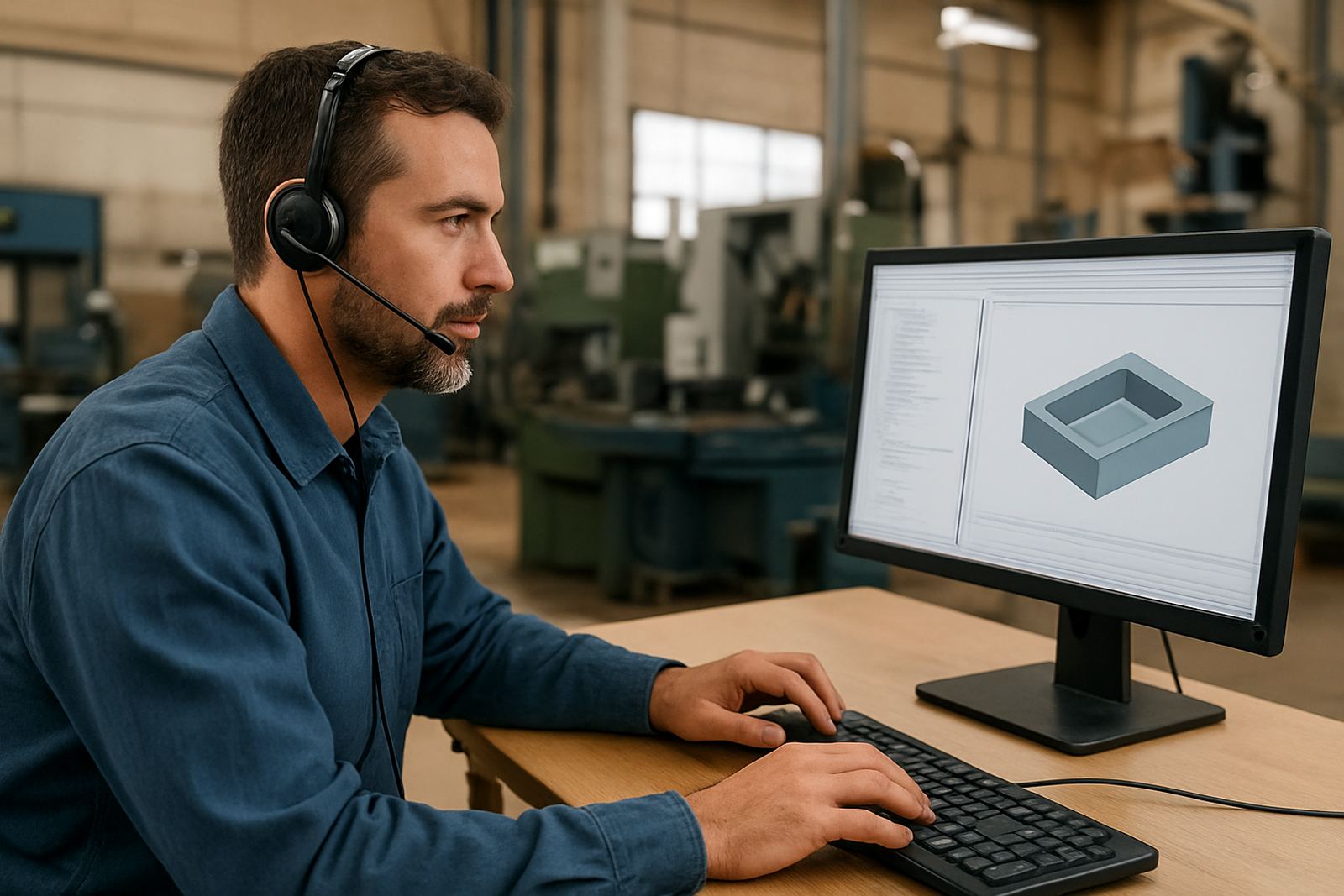
We start with your drawing, material spec and target machine. If needed, we review the CAD geometry, confirm tolerances and check that the part can be held and machined as drawn. From there we look at the CAM strategy, the post output and the machine code structure so the job matches the controller and the way your shop works. If you already have a post-processor, we test it against the machine and tune it where needed before anyone loads material.
The support can be remote or on site, depending on the job and your location. For local shops around Centurion and Pretoria, we often do the setup in person. For other centres, we can begin remotely, then move to on-site support where the machine, operator and part complexity justify it. Our approach is practical and direct, no fancy talk just the steps needed to get the first good part off the machine.
- Receive drawing, material details and machine information
- Review model, toolpath and post output
- Confirm setup plan, tools, offsets and safe start point
- Support first run and inspect the first component
- Record any changes for future jobs and repeat orders
Typical Turnaround and When to Book In
For straightforward jobs, we can begin support after receiving the files and machine details, subject to scheduling. More complex work, such as a new post-processor, mixed-material jobs, long-axis routing or multi-tool milling, may need additional lead time. If the machine is already down to load-shedding or a parts backlog, it is best to book early so we can line up the support around your production window.
Once the first job is complete, we usually recommend a short follow-up on the next run if the part is repeated. That second check often catches small things like tool wear, chip clearing issues, or an offset that drifted after the first setup. In coastal areas such as Durban and Cape Town, we also keep an eye on humidity related issues like sticky material, surface finish changes and storage of tooling and blanks.
If you need support on a weekend or outside normal hours, that can be arranged on a case-by-case basis for urgent production work. We will always be clear on what can be done quickly and what needs proper preparation before the machine starts cutting.
Pricing Approach for First Job Support
Pricing depends on the machine type, the number of setups, whether the support is remote or on site, and how much post tuning or file preparation is needed before the first cut. A simple one-off job on a single machine will cost less than a multi-stage setup with tool library building, operator coaching and a post-processor adjustment. We keep pricing tied to the actual work, not a one-size-fits-all bundle.
For planning purposes, many shops prefer a fixed quote for the first job once we have seen the drawing and machine details. That helps with job costing and avoids surprises. If the work becomes repetitive, we can also structure it under an Annual Support Plan so future first runs, repeat parts and maintenance checks are easier to budget for. For many small to medium shops, this is cheaper than losing a sheet or bar to setup errors, and it keeps the team moving even during load-shedding weeks.
- Fixed quote after job review where possible
- Remote support charged differently to on-site attendance
- Travel and time based on region and site access
- Complexity allowance for new posts, new machines or multi-op parts
What We Check During the First Run
During the first run we look beyond the screen and into the real machine behaviour. That means checking workholding rigidity, tool deflection, spindle load, chip evacuation, coolant flow or air assist, and the quality of the first finished edge or surface. If the job is for a router, we watch for lift, chatter and vacuum hold issues. On milling machines, we check tool wear, Z height, finish consistency and any sign that the feedrate or stepdown needs to be adjusted. For turning, we confirm insert behaviour, stock stability and diameter consistency. Plasma jobs are checked for pierce quality, kerf width and dross.
We also note the practical things that can trip up a shop: a fixture that flexes, a tool table that is out by a few millimetres, or a file that looks correct but does not suit the controller. Those small issues are the ones that turn into scrap if nobody stops and checks them. Our job is to catch them before the part leaves the table.
- Feeds, speeds and spindle load observation
- Workholding and fixture stability check
- Tool clearance, collision risk and safe moves
- Surface finish, dimensional accuracy and repeatability
- Controller output and operator handover notes
Maintenance Intervals and Follow-Up Support
First Job Support works best when it leads into a simple maintenance routine. For repeat production, we recommend a review after the first job, then again after 5 to 10 runs if the part is critical or the tooling is wearing quickly. On shops that run daily, a monthly check of post output, tool library entries and machine setup notes can save a lot of mess later. If your team works across shifts, a short refresher every 3 to 6 months helps keep operator habits consistent.
We can build this follow-up into your support plan so the same notes are kept from job to job. That matters when staff changes, a machine gets moved, or a new product line starts. In Centurion, Pretoria and Johannesburg, where shops often juggle urgent work and tight deadlines, those small review intervals keep the first good setup from becoming a one-off win.
Key facts
| Supported machines | CNC routing, milling, turning and plasma systems |
|---|---|
| Coverage | Remote support and on-site support across South Africa |
| Typical lead time | Straightforward jobs, subject to booking |
| First-run checks | Drawing, toolpath, post output, setup, first cut and part approval |
| Suitable for | New machines, new staff, new materials and repeat production starts |
| Follow-up interval | After the first job, then every 5 to 10 runs or monthly for active shops |