Durban On-Site Training For Busy CNC Shops
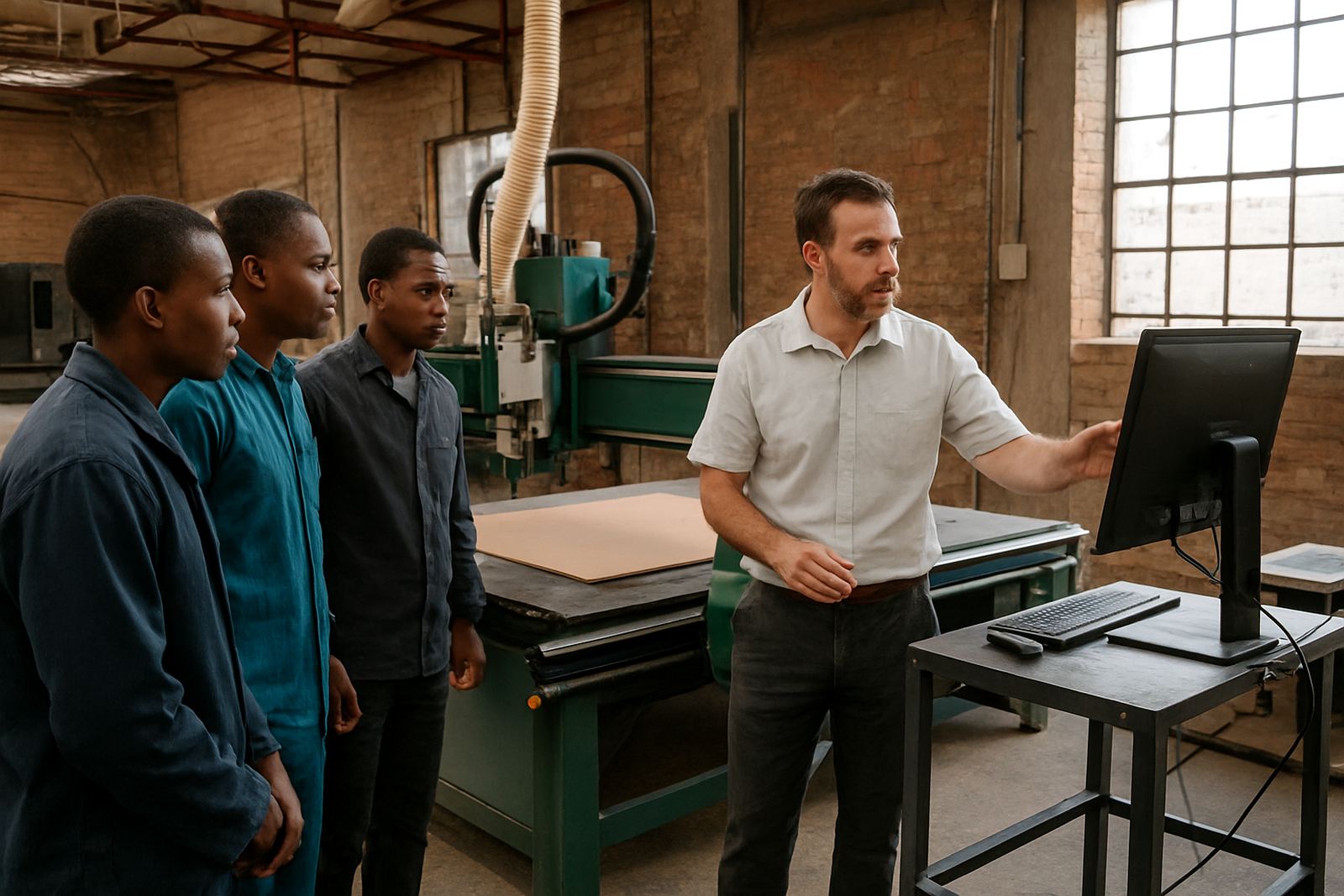
Durban shops often work to tight lead times, with mixed material runs, urgent repair work and changing labour shifts. Our training is built for that pace. We come to your workshop, work on your own machine setup and train your team on the exact files, post-processors and operating steps they use every day. That means less guesswork when the cutter is at the material and fewer delays when a machine stops mid job.
We support cabinetry shops, sign shops, joinery teams, engineering workshops and profile cutting operations across Durban, Pinetown, Springfield, New Germany, Amanzimtoti and the wider coastal belt. Because we are based in Centurion, we plan travel in advance, group the right people together and keep turnarounds practical. For many Durban clients the first visit is a full on-site session, then follow-up support happens remotely until the team is comfortable.
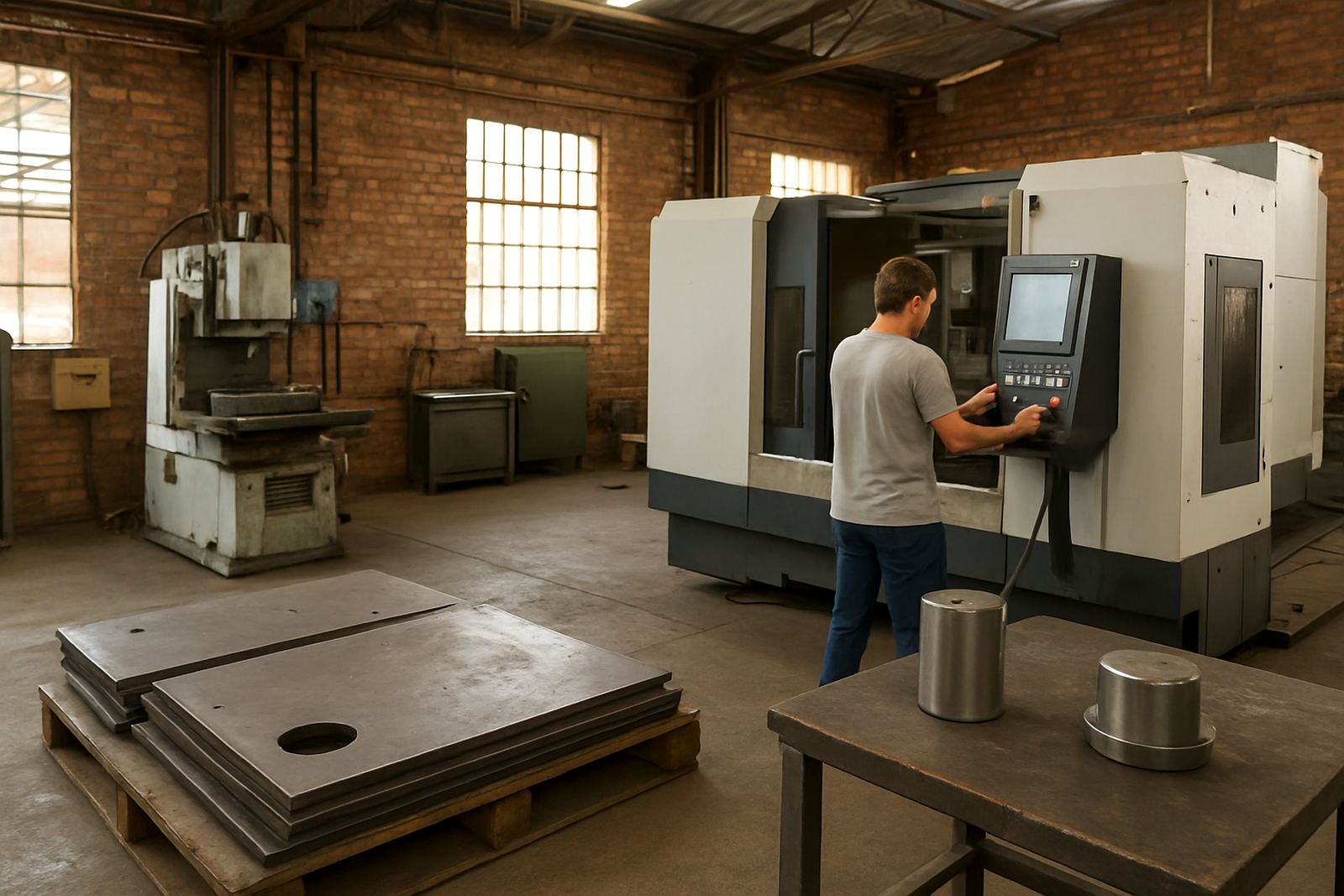
Our work covers CNC routing, milling, turning and plasma environments. Where needed, we also help with machine onboarding so your software, tool data and production steps line up properly before the first production run. That is especially useful where a shop has recently added a new machine or changed from manual processes to CAM driven work.
What We Cover During Durban Training Visits
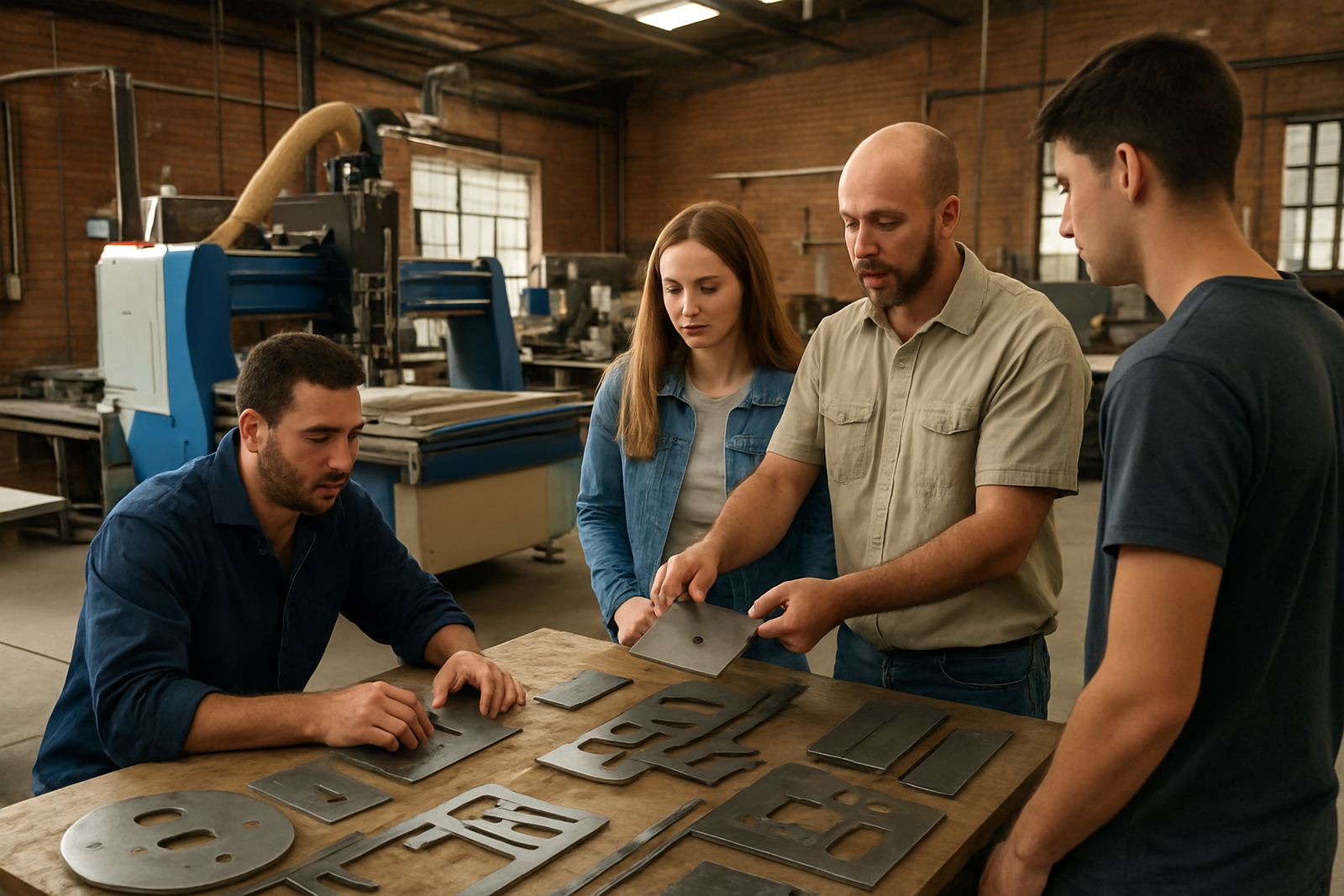
Each Durban training visit is matched to the machine type and the experience level of the people in the room. A cabinet shop manager does not need the same material as a programmer running multi-tool production every day, so we tailor the session accordingly. We can train operators, programmers or owners, and in many cases we split the day so different people get the parts they need.
- Licence installation and workstation setup for new or updated users
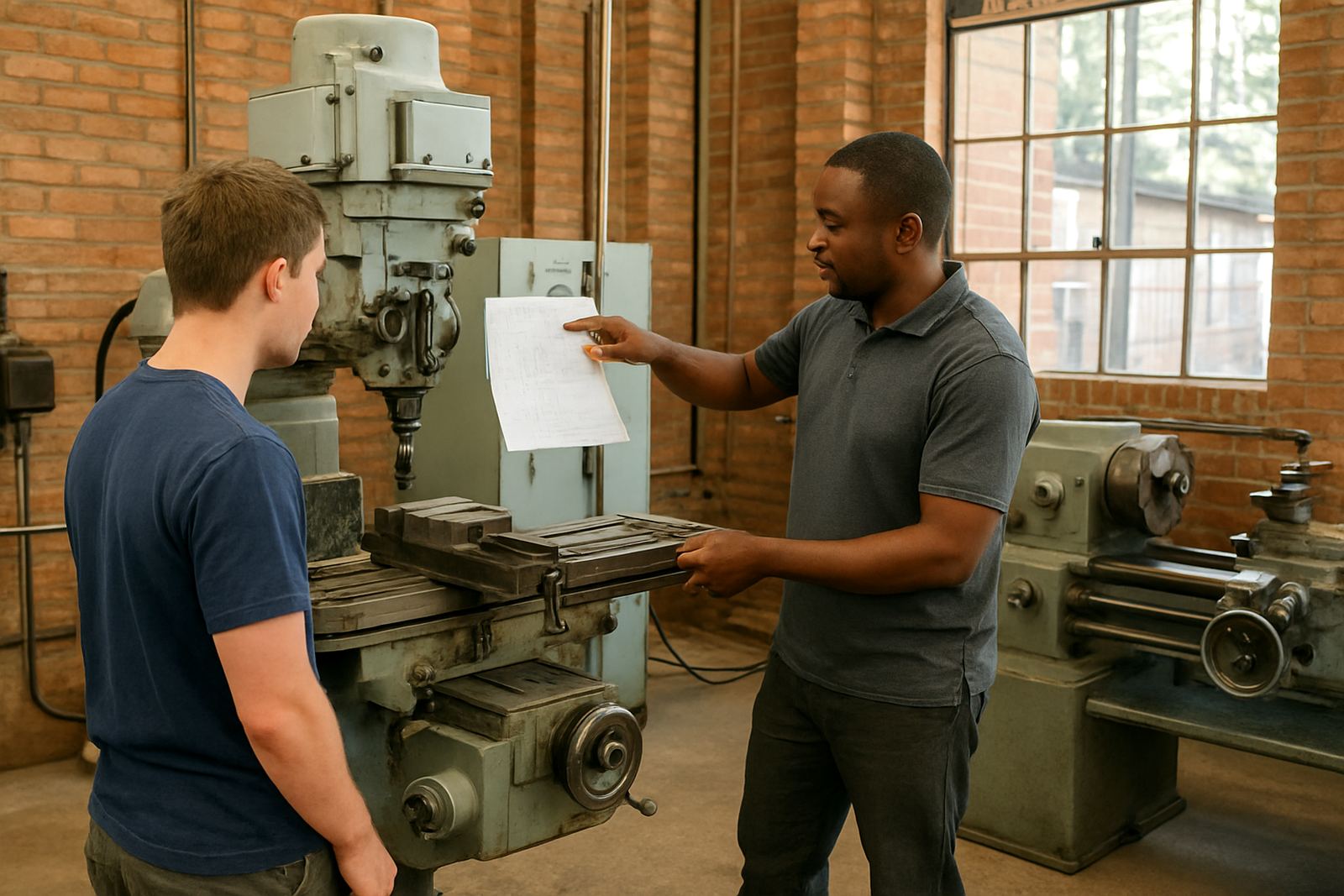
- Operator training for loading files, setting origins and running safe dry checks
- Programmer training for toolpaths, feeds, speeds and practical output review
- Owner training for production planning, file control and job costing support
- First job support while the team runs the first live parts after training
- Workflow audits to spot bottlenecks, repeated errors and avoidable scrap
- Tool library builds for commonly used cutters, drills and plasma consumables
We also cover post tuning where the output file needs to be adjusted for a specific controller or machine behaviour. That matters when the machine reads a programme differently from the office simulation, or when a shop has mixed equipment from more than one supplier. Durban coastal humidity can also affect storage, tooling and electrical cupboards, so we keep an eye on practical workshop issues not just software settings.
Post-Processors And Turnaround For KZN Equipment
Many Durban clients come to us because their machine is running, but the output is not quite right. The post-processor is often the link between design and production, and small errors there can lead to wrong tool calls, poor arc starts, incorrect axis moves or a stop before the job is done. We supply custom post-processors and do post tuning for routing, milling, turning and plasma equipment, including machines used in cabinetry, sign work and general fabrication.
Turnaround depends on the controller, the file standard and how much testing is needed. For straightforward machine setups we can often work quickly once we have the right sample files and machine details. For more complex systems, especially where there are multiple heads, rotation tables or older controllers, we build and test carefully so the shop is not left with a file that works in theory but fails on the floor. That approach saves material and avoids downtime during a load-shedding window or after a rush order comes in.
If your Durban workshop already has a post but the output is clumsy or causes operator edits every time, we can review the logic, clean up the code and reduce manual corrections. The aim is simple: a programme that suits the machine, the operator and the job spec without extra steps.
Typical Durban Clients We Train
Durban and the coastal KZN corridor have a wide mix of shops. Some run one machine and a small team, others handle multiple jobs across different shifts. We find that the most common training needs are around production discipline, safer machine use and getting consistent output from the first part to the last.
- Cabinet makers needing cleaner nesting, better tool management and less waste
- Sign shops working with lettering, acrylic, aluminium composite and mixed materials
- Milling and machining teams needing reliable programme transfer and setup checks
- Plasma shops that need correct kerf handling, cut order and lead-in control
- Profile cutting operators who want better repeatability and fewer rework cycles
- Owner-operators who want to understand the workflow without relying on one person only
We also meet a fair number of shops that are growing from manual machine habits into more formal CAM processes. In those cases the training has to be very practical, because the team may know the workpiece and the material well but still need help with file naming, version control, machine setup sheets and the order of operations. A clear routine reduces mistakes and keeps the workshop moving when staff change or work gets split across more than one shift.
How We Plan Visits To Durban And Surrounds
Because Durban is a full travel region for us, we plan visits with the workshop schedule in mind. We ask for the machine type, controller details, current software version, sample files and the day’s production priorities before we confirm the visit. That lets us arrive with a realistic plan and the right support approach for your shop.
For some clients the best option is a single intensive day. For others, especially where there are several users or a new installation, we break training into stages. First we cover setup and basic operation, then we return or support remotely for the first live jobs. That is often the best way to get lasting results because the team can apply what they learned, then come back with real issues from the floor.
Durban shops also deal with practical local conditions such as heat, coastal moisture and occasional power interruptions. Those conditions can affect PC health, file transfer routines and machine readiness. We factor that into the training so the team knows what to check before starting a shift and how to recover if the day is interrupted. If the shop is in an industrial area with limited parking or specific site access rules, we work with that too.
Training Support, Follow-Up And Long-Term Use
Our Durban service is not just a one-off visit. Once the team has completed training, many shops need follow-up on the first production jobs, a small post adjustment or a review of a tool library after new cutters arrive. We support that through remote troubleshooting, first job support and annual support plans for shops that want a steady backup arrangement.
We keep the support practical. If an operator gets stuck on a post output, or a programmer wants to confirm a change before the next batch goes live, we work through the issue with the team and keep the process moving. If a workflow audit shows that jobs are being re-entered too many times, we help straighten that out. If the machine needs onboarding for a new controller or a new material range, we can help there too.
Enquiries for Durban Training go through the contact page form. Once we have your workshop details, we can advise on the best training format, travel timing and whether you need operator training, programmer training, owner training or a mix of all three. The aim is a shop that can run confidently after the visit, with fewer errors and less downtime.